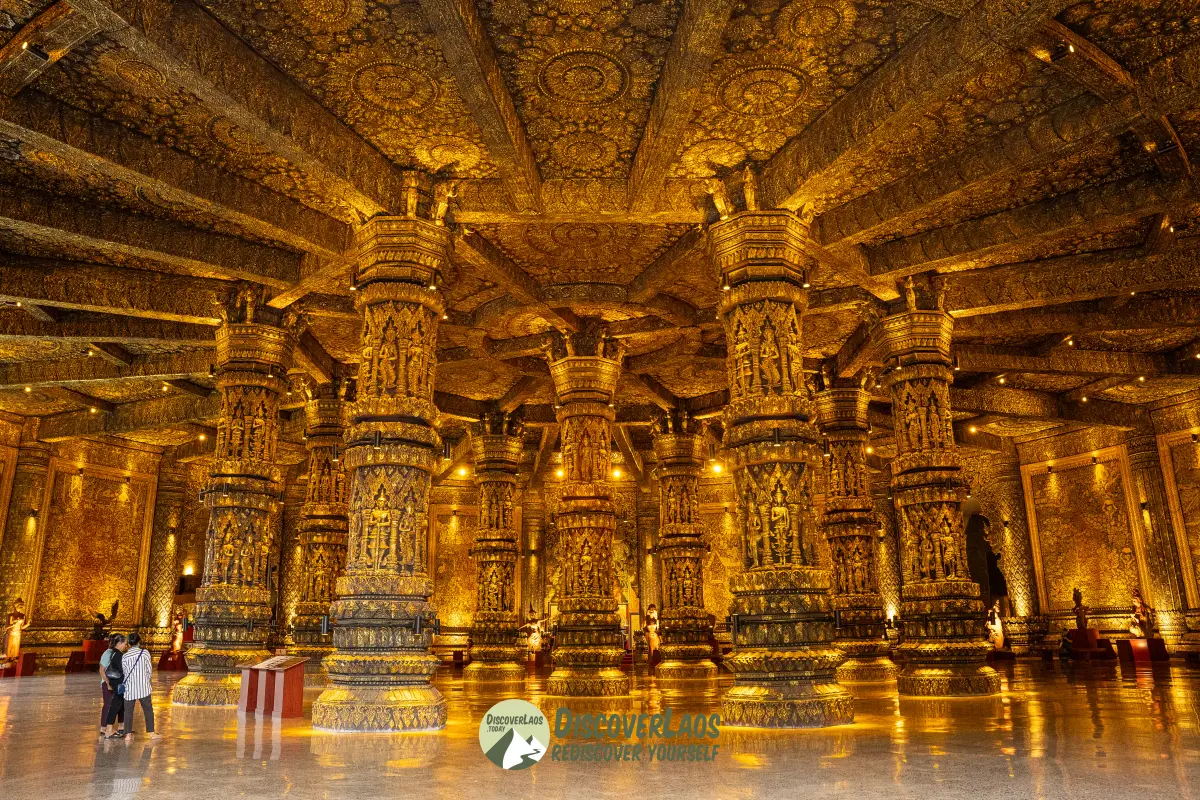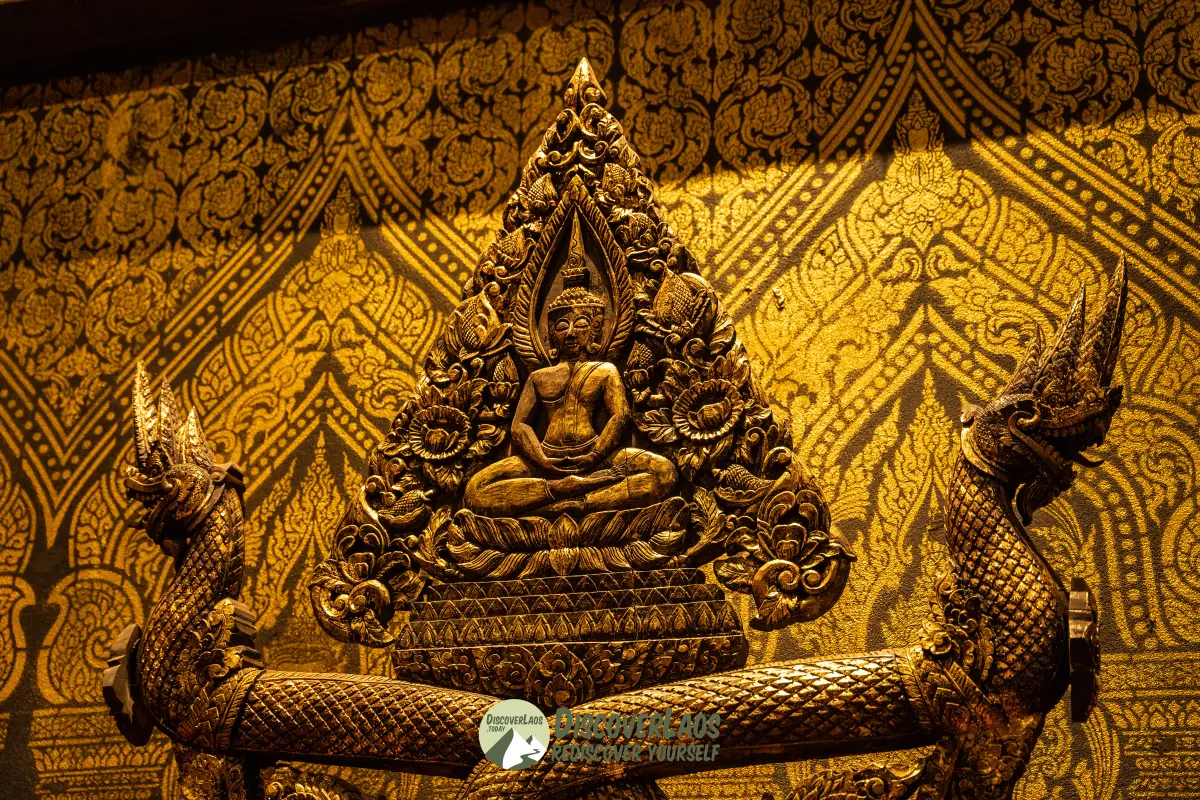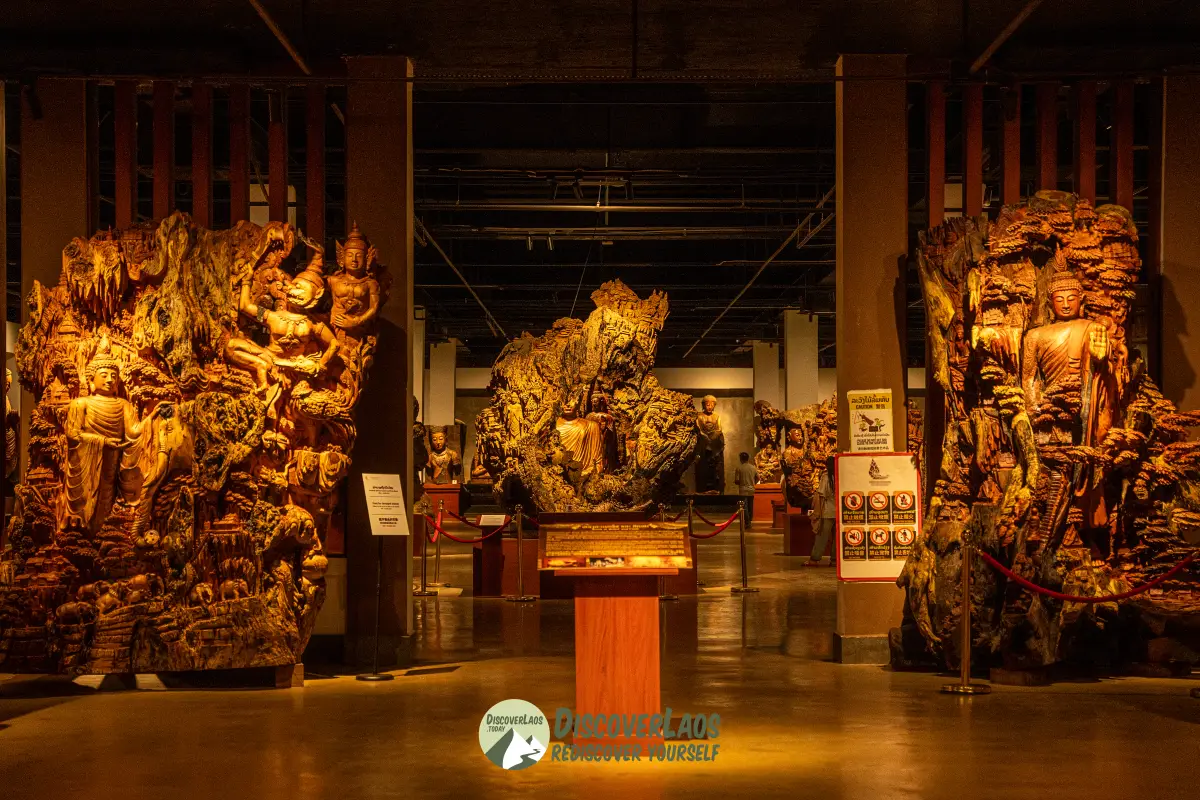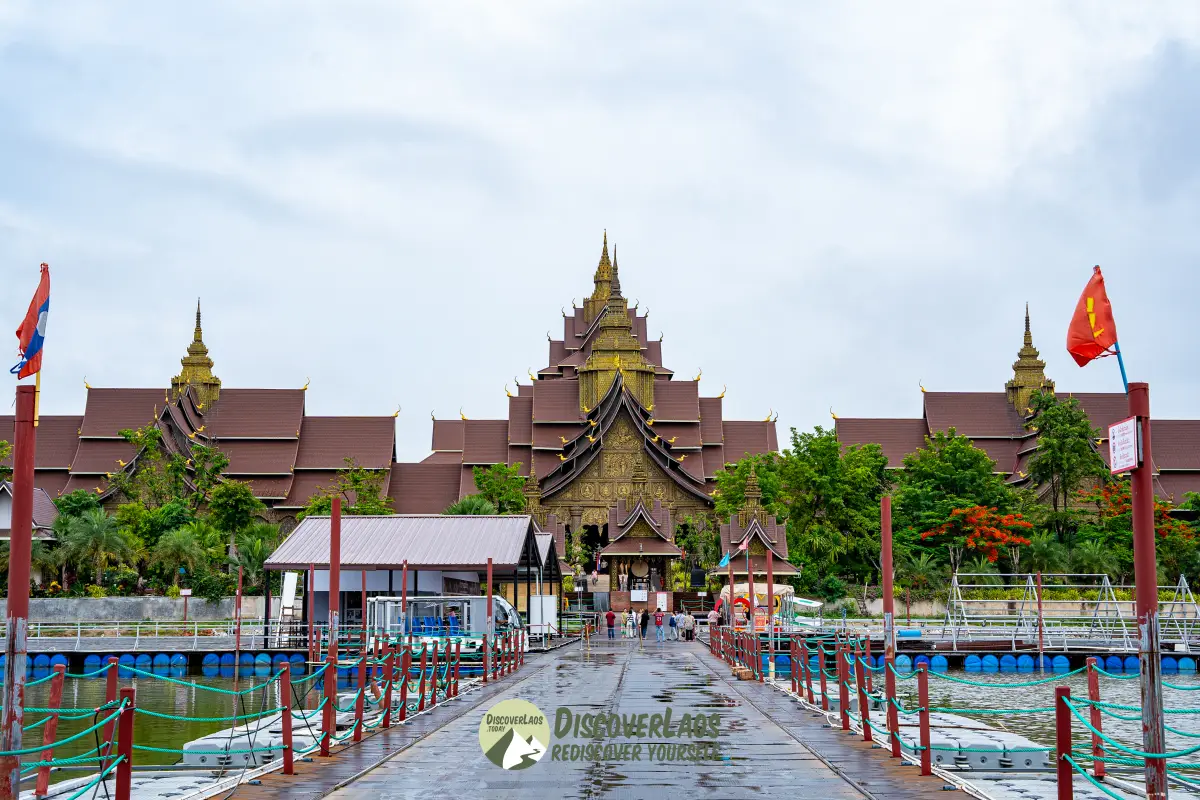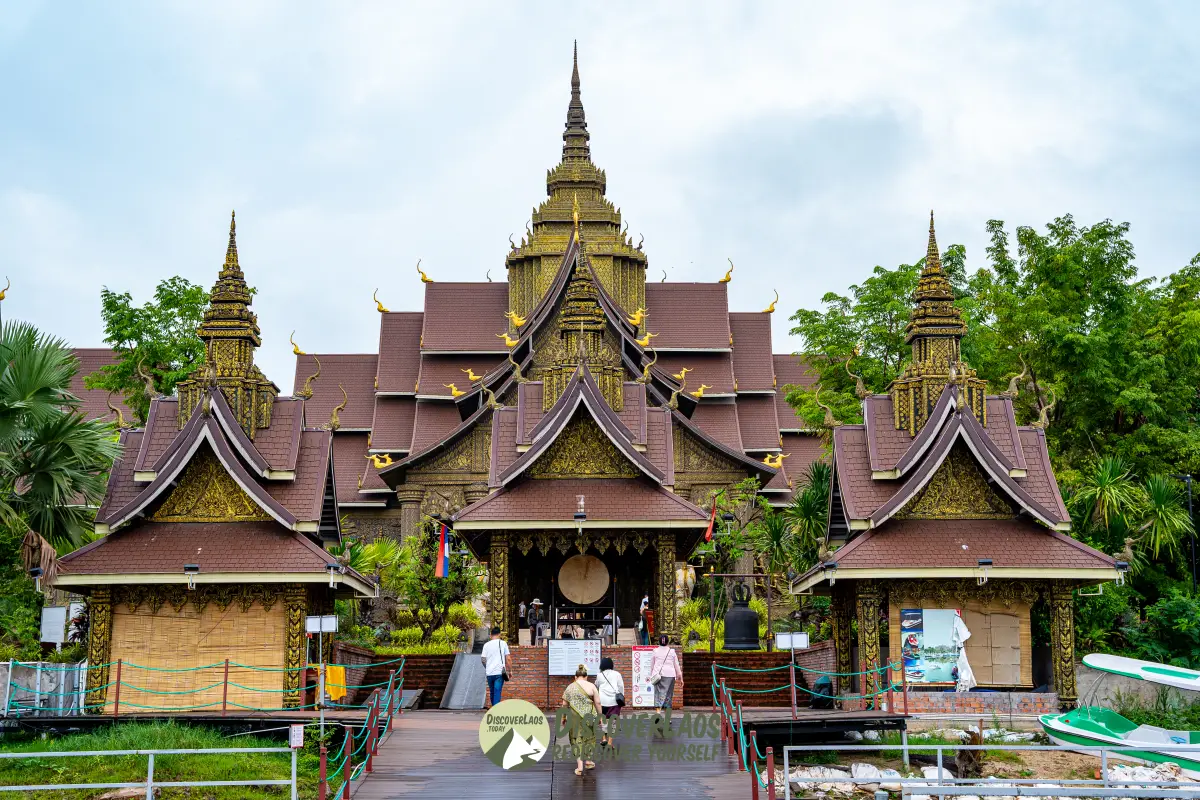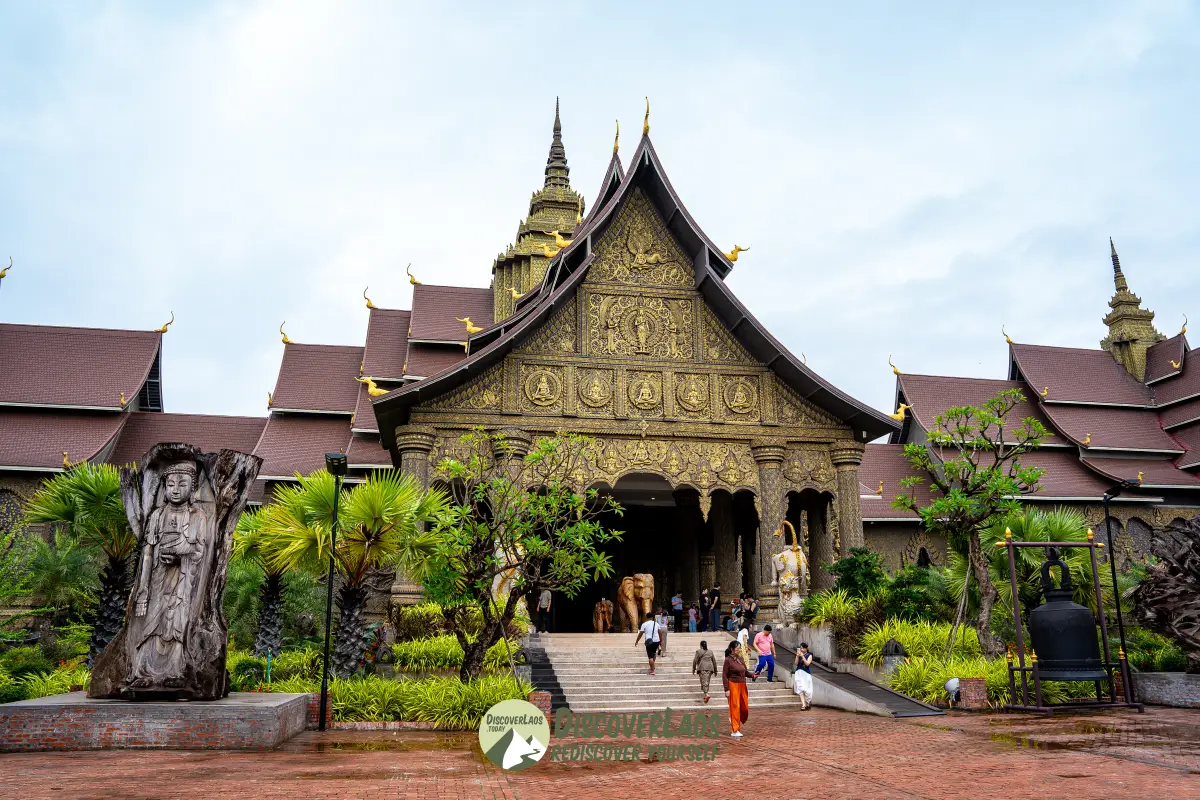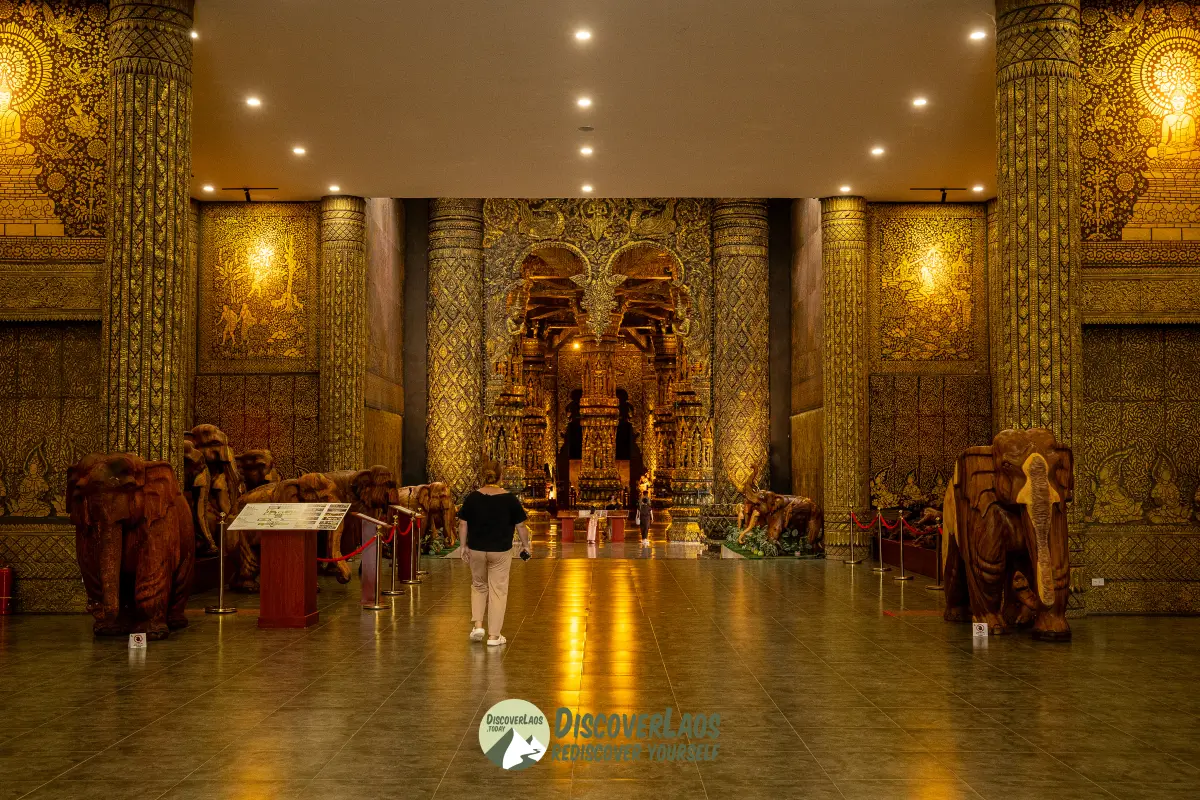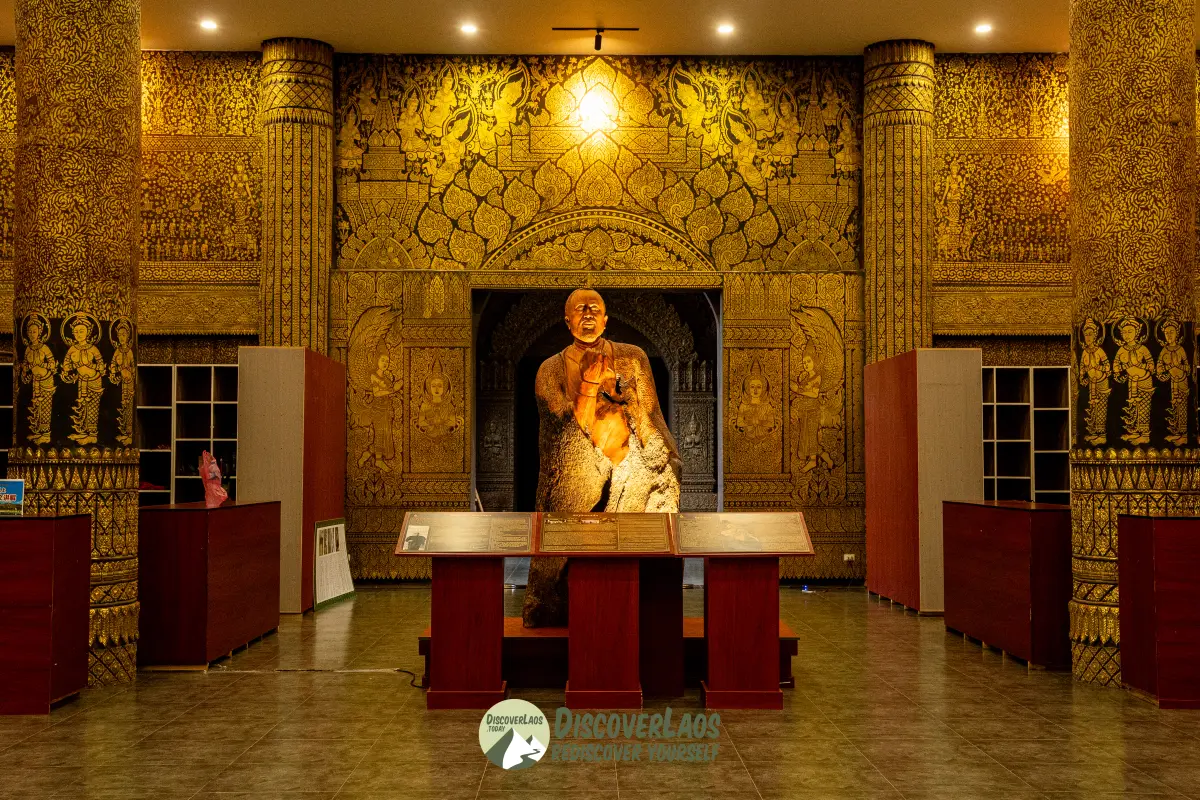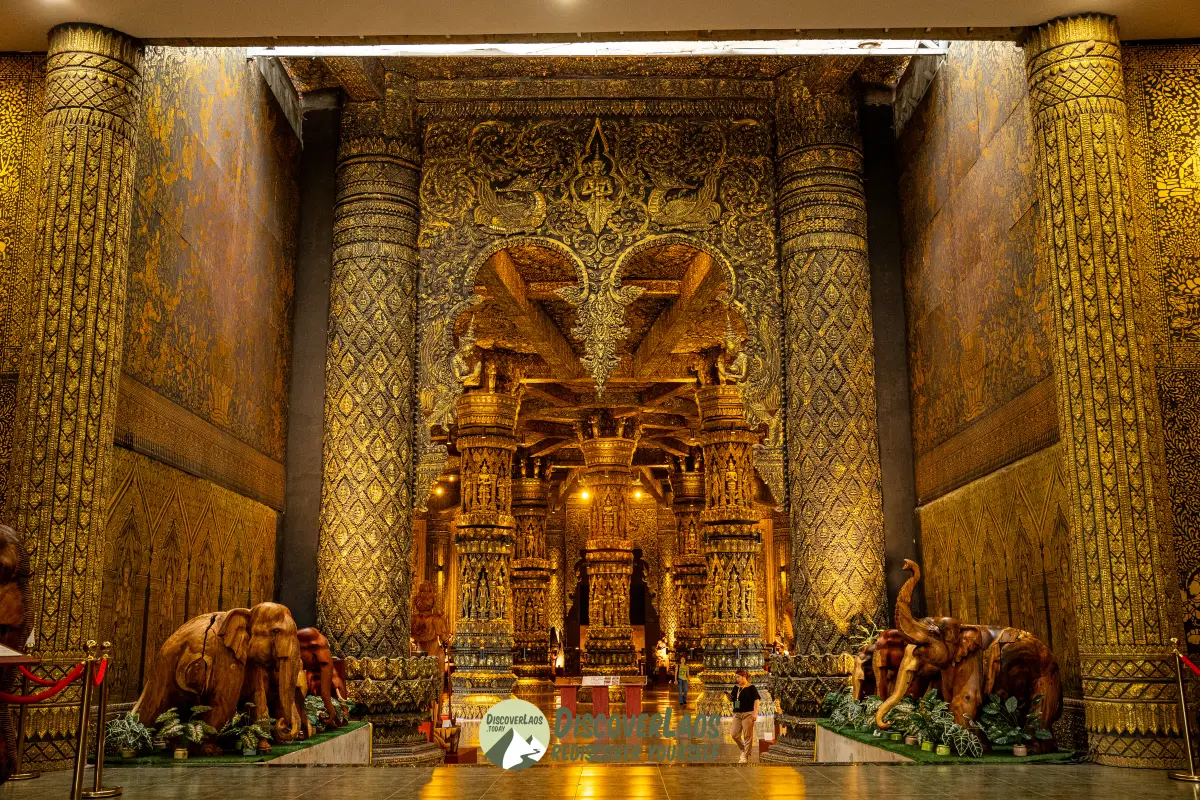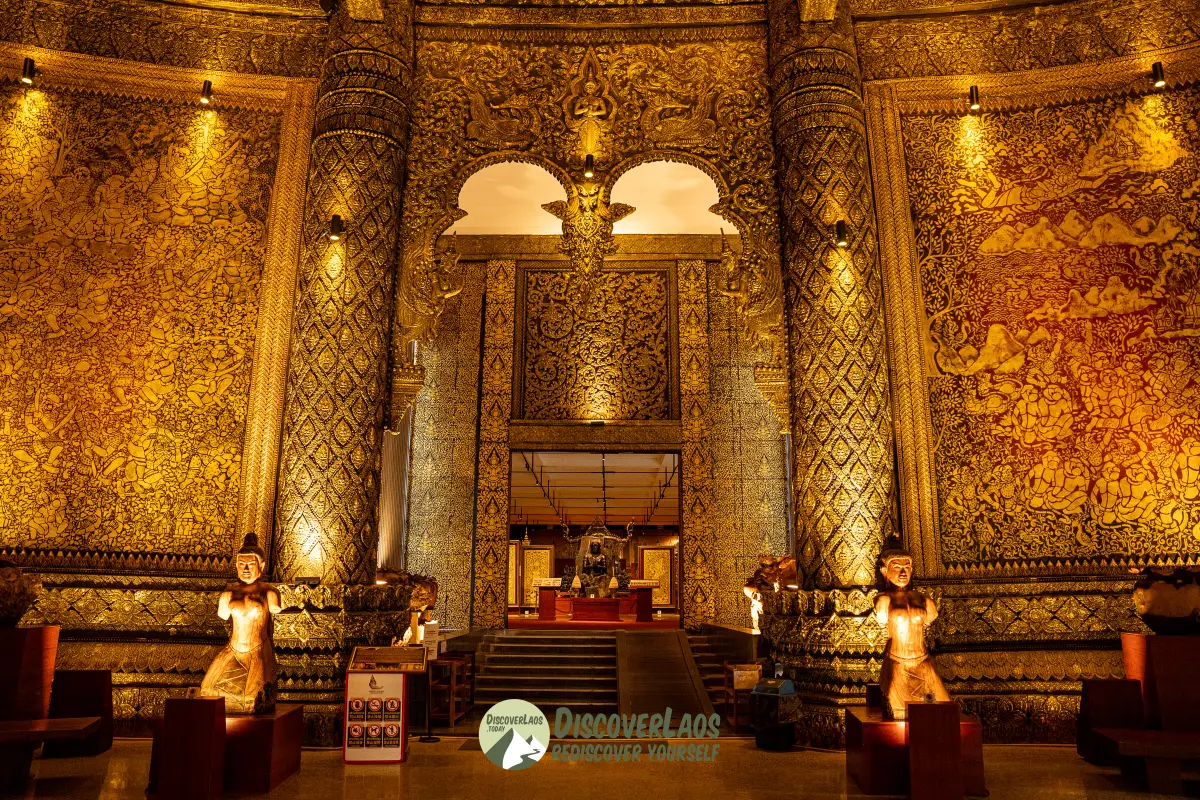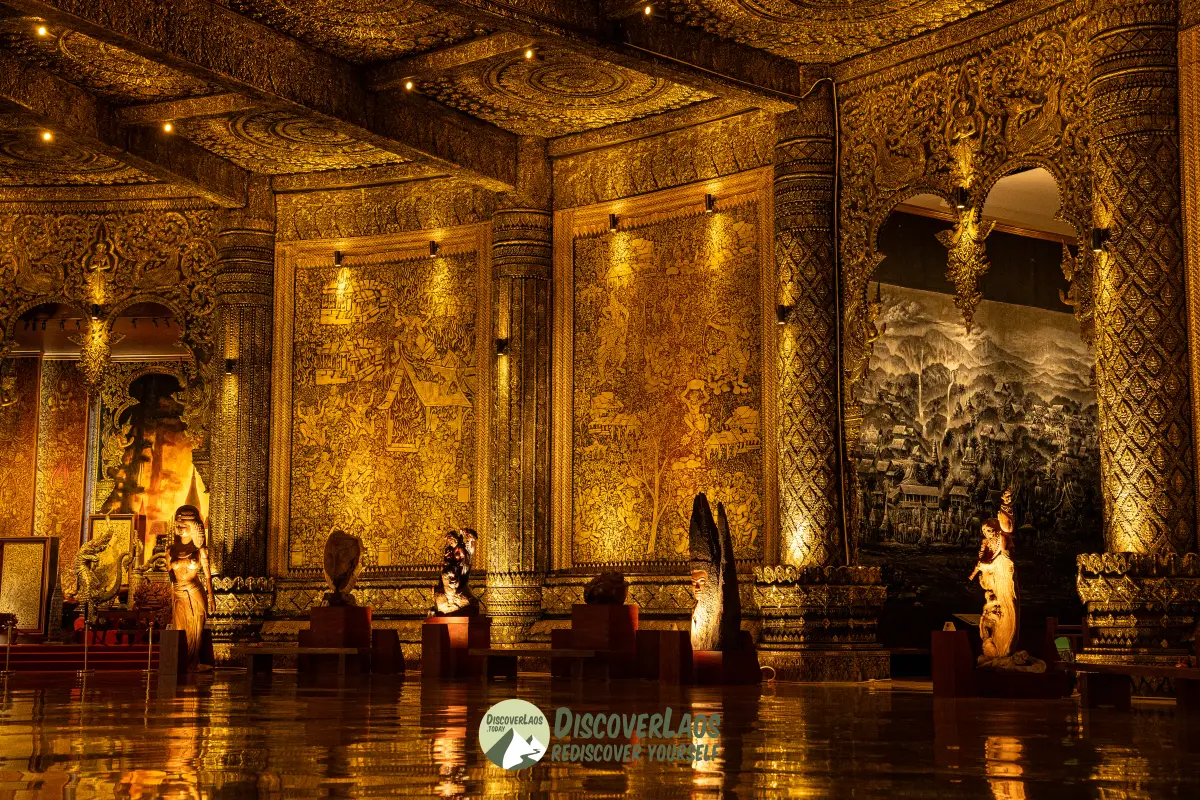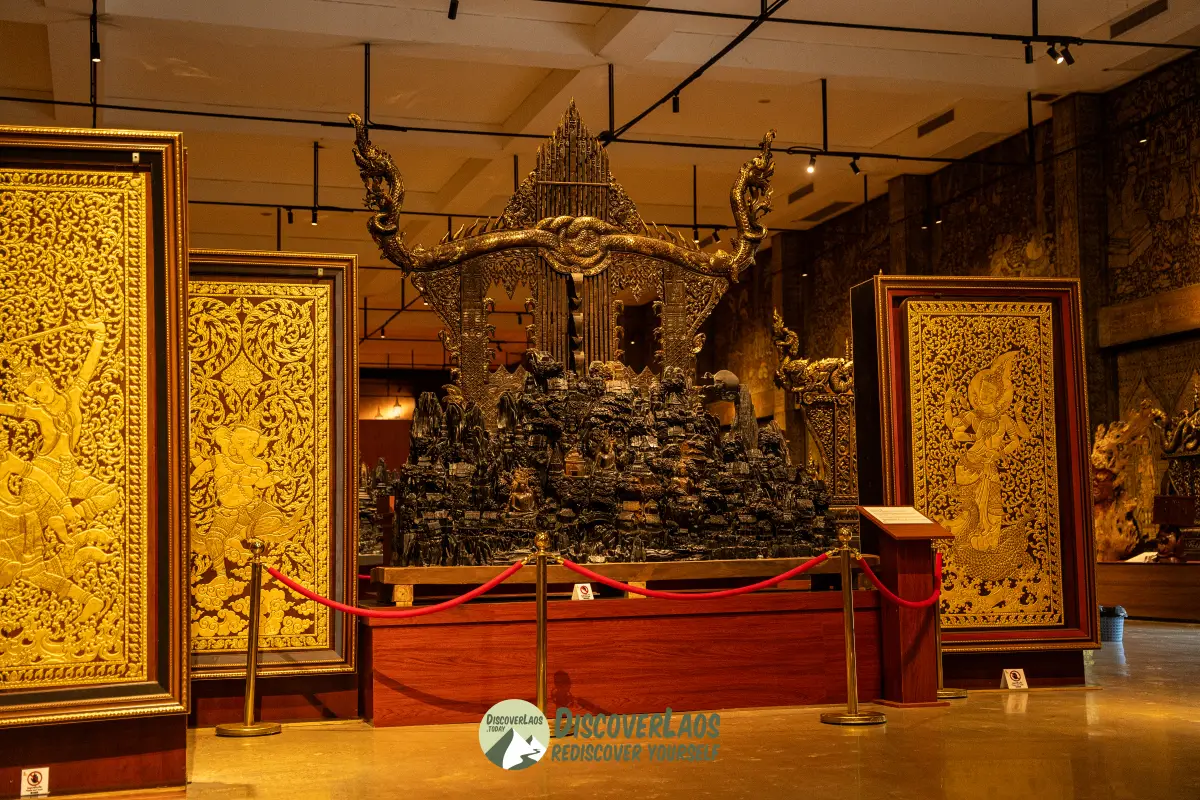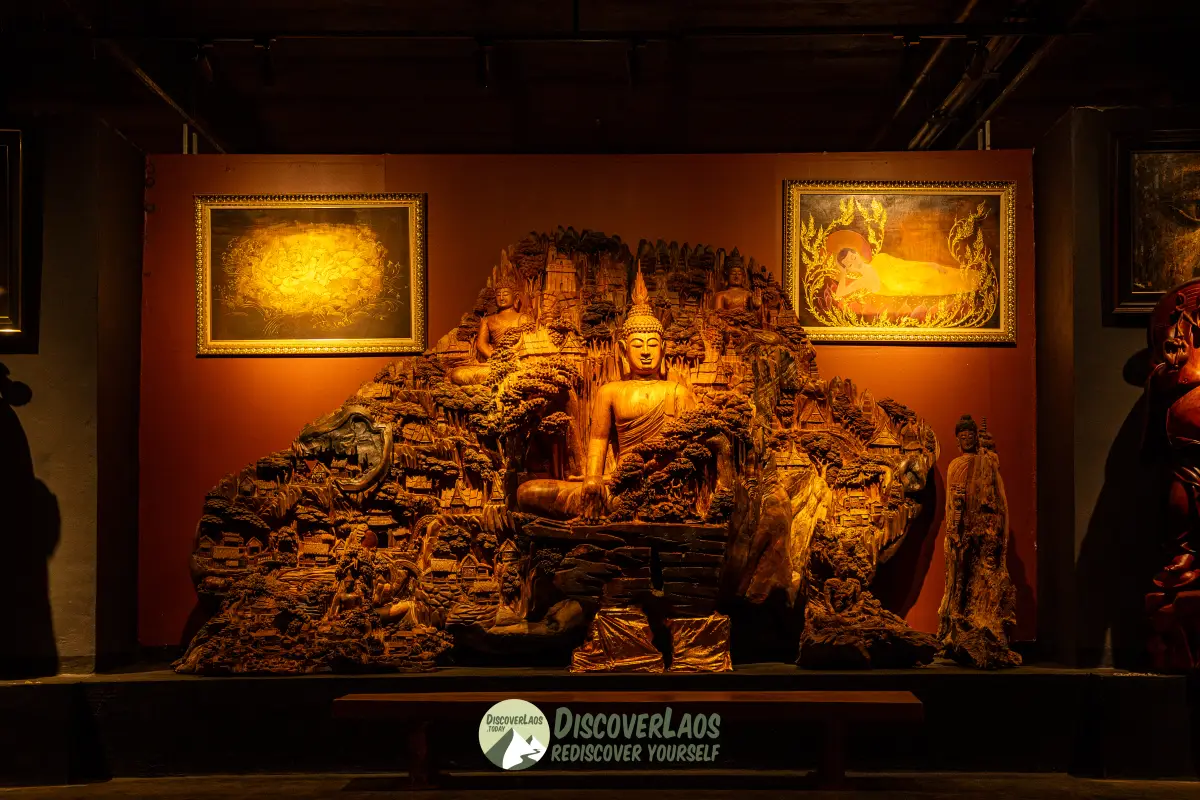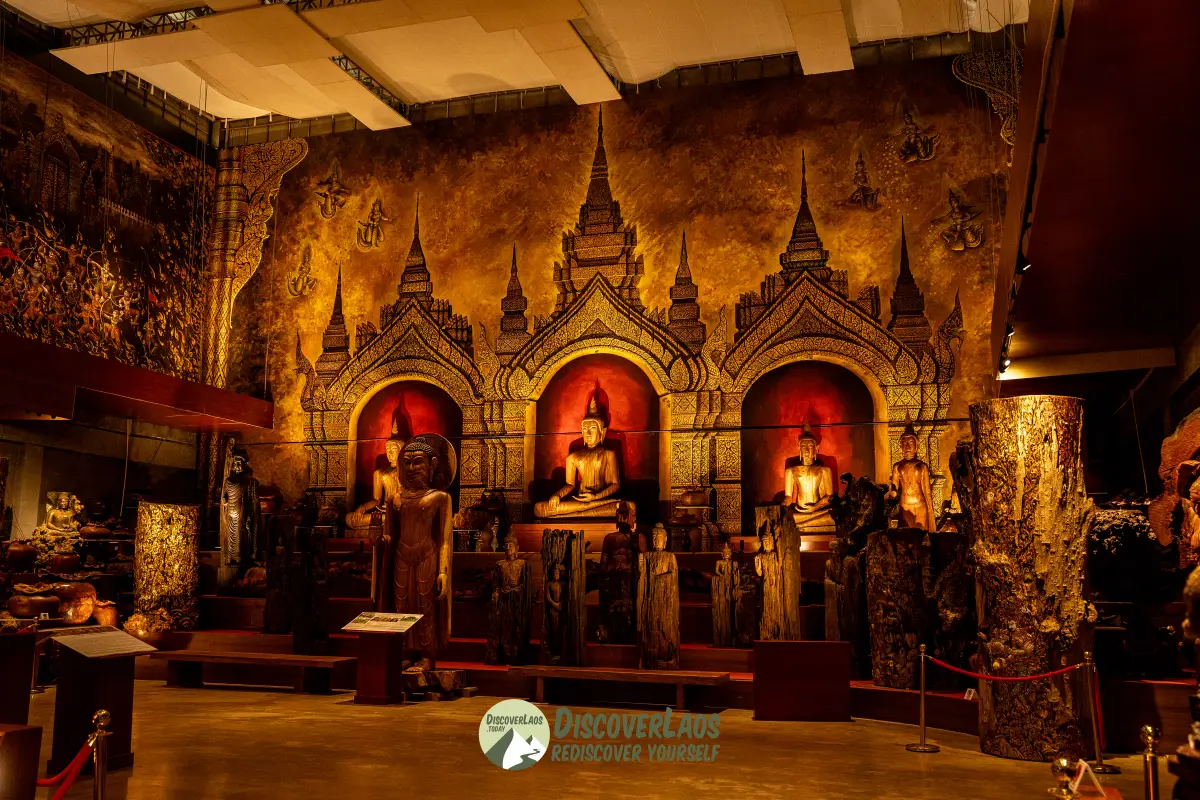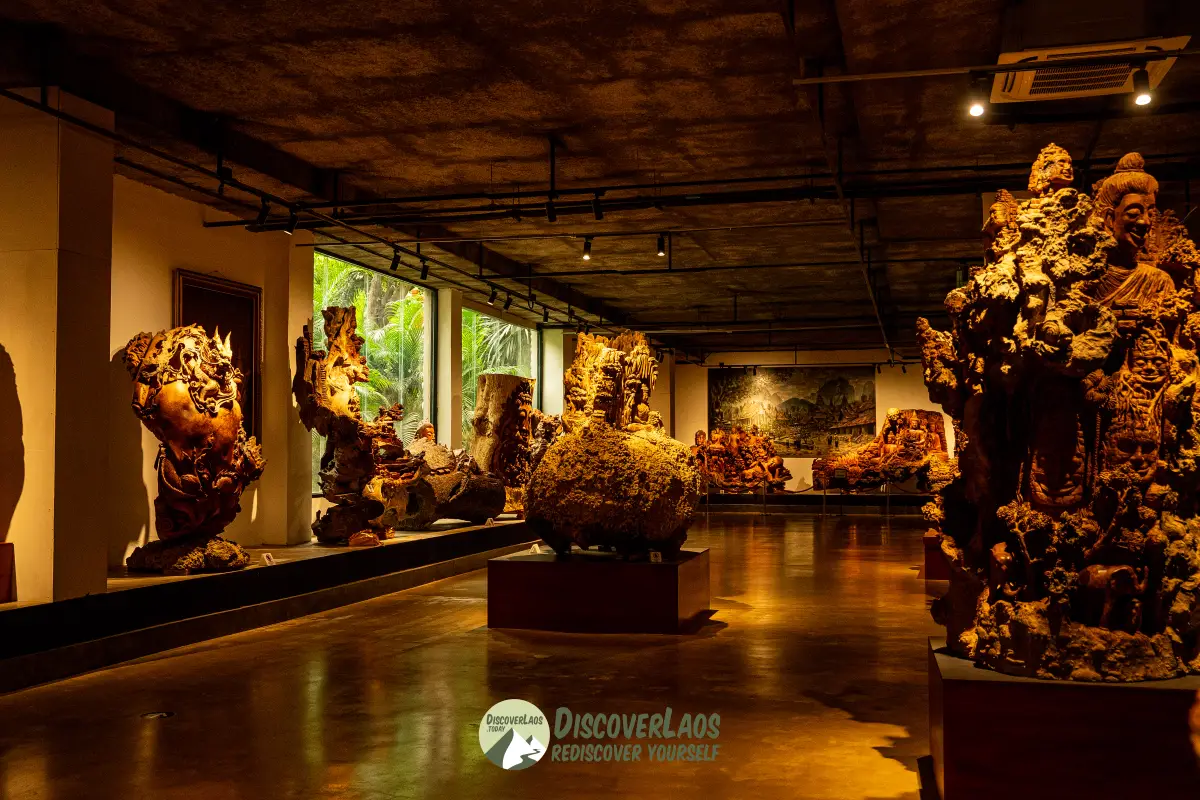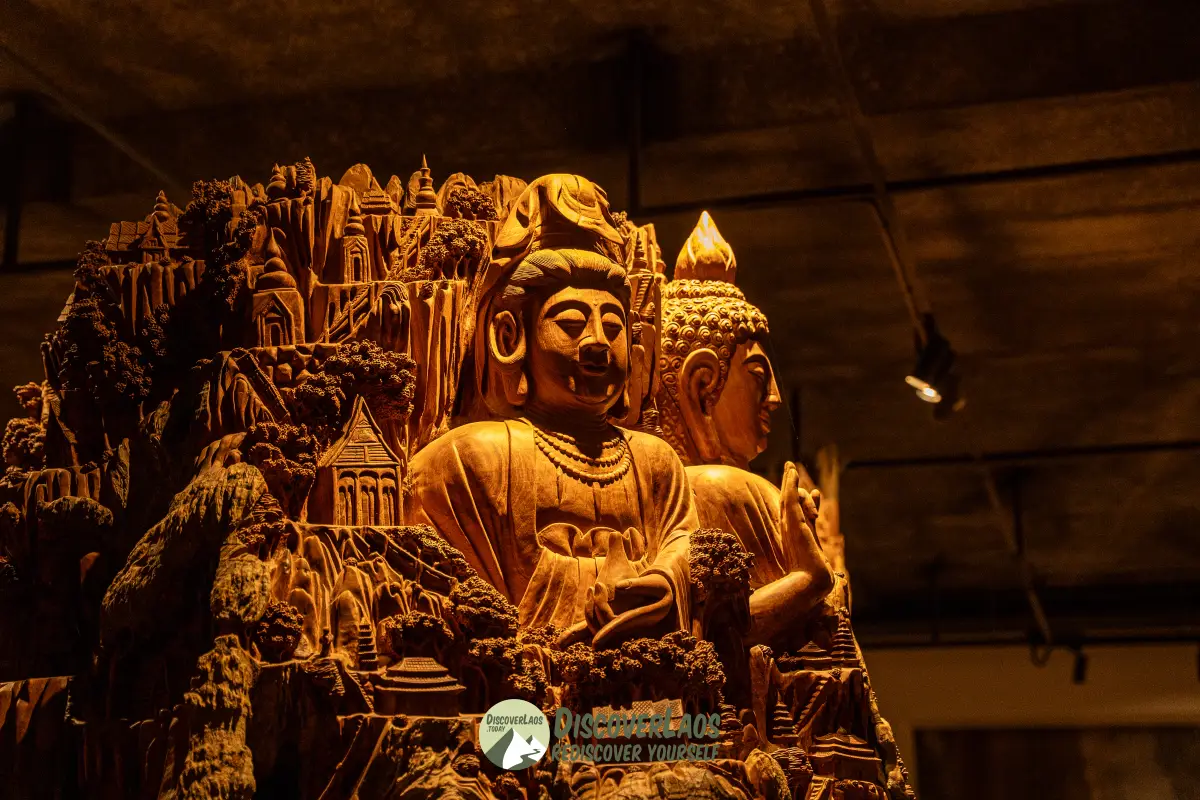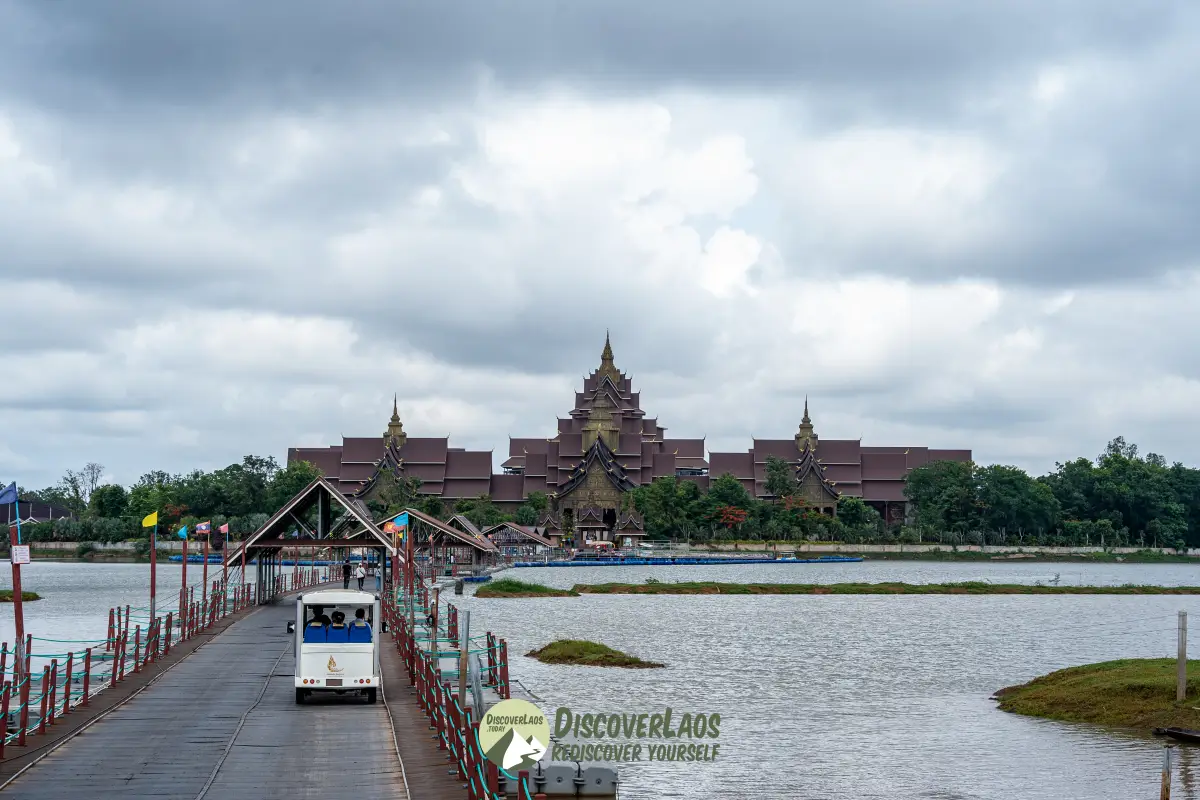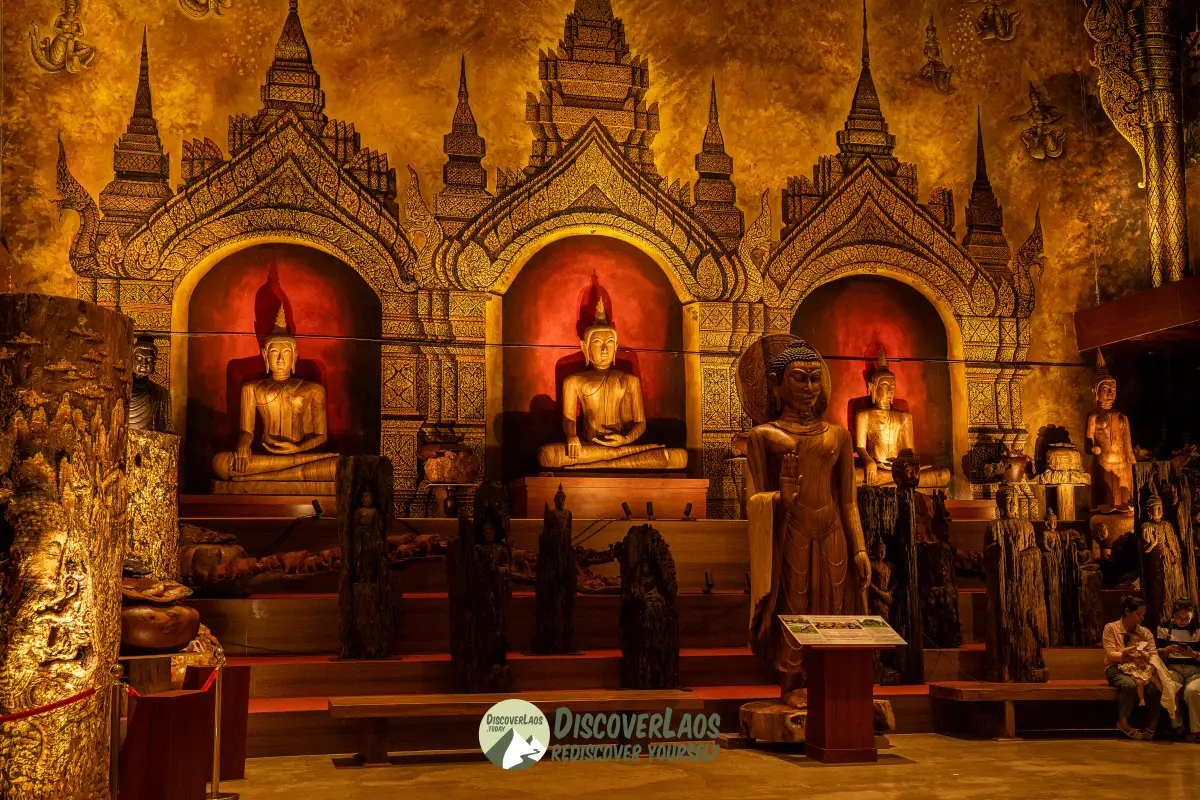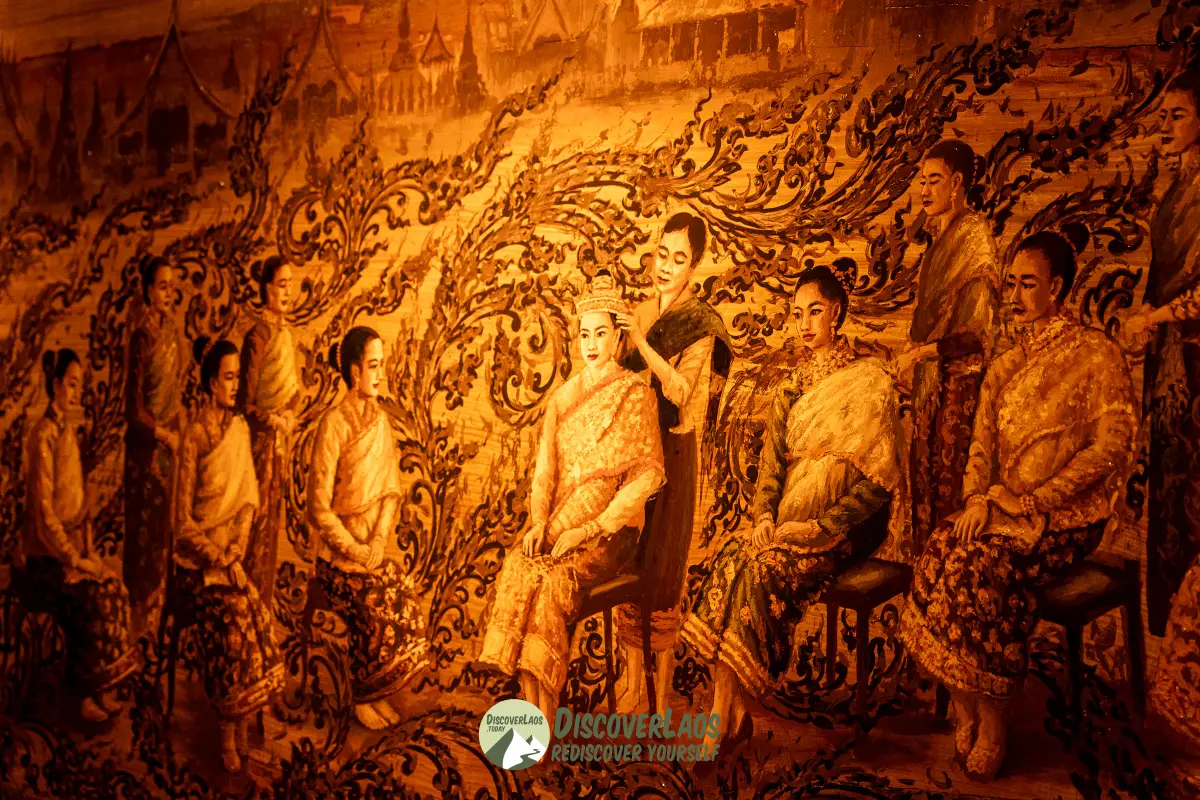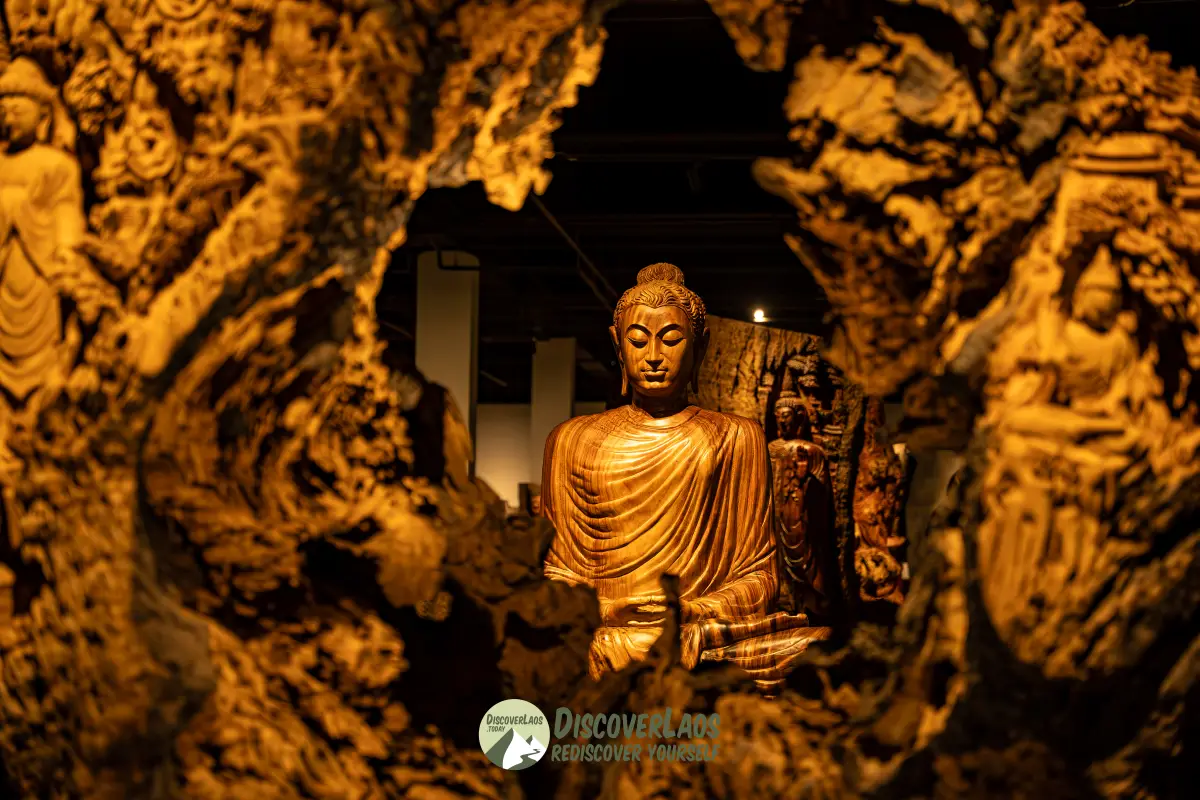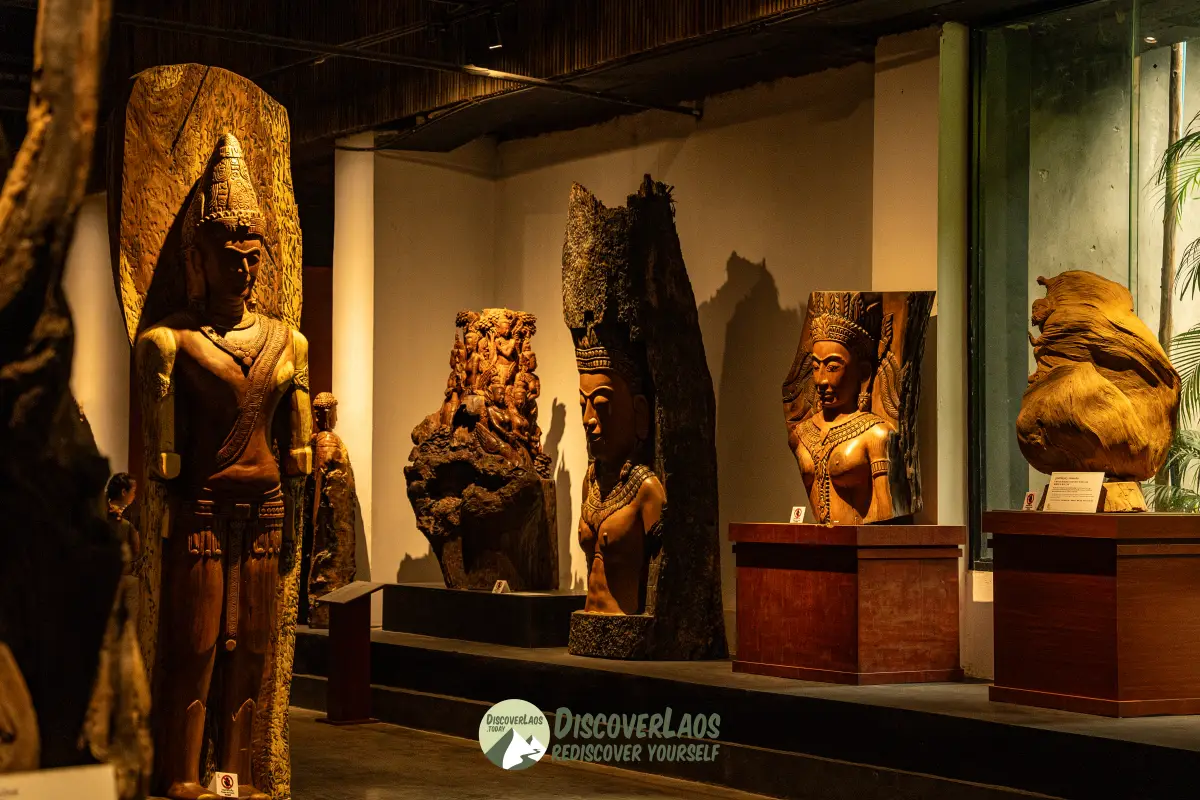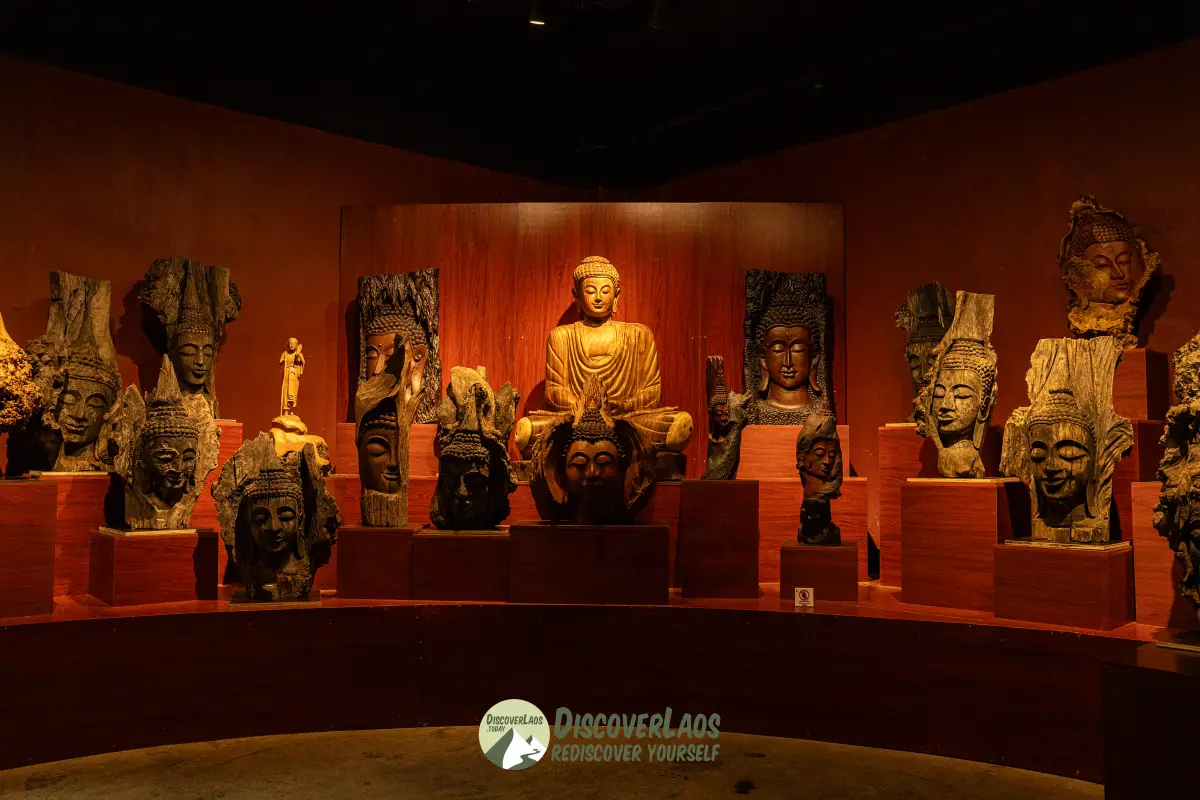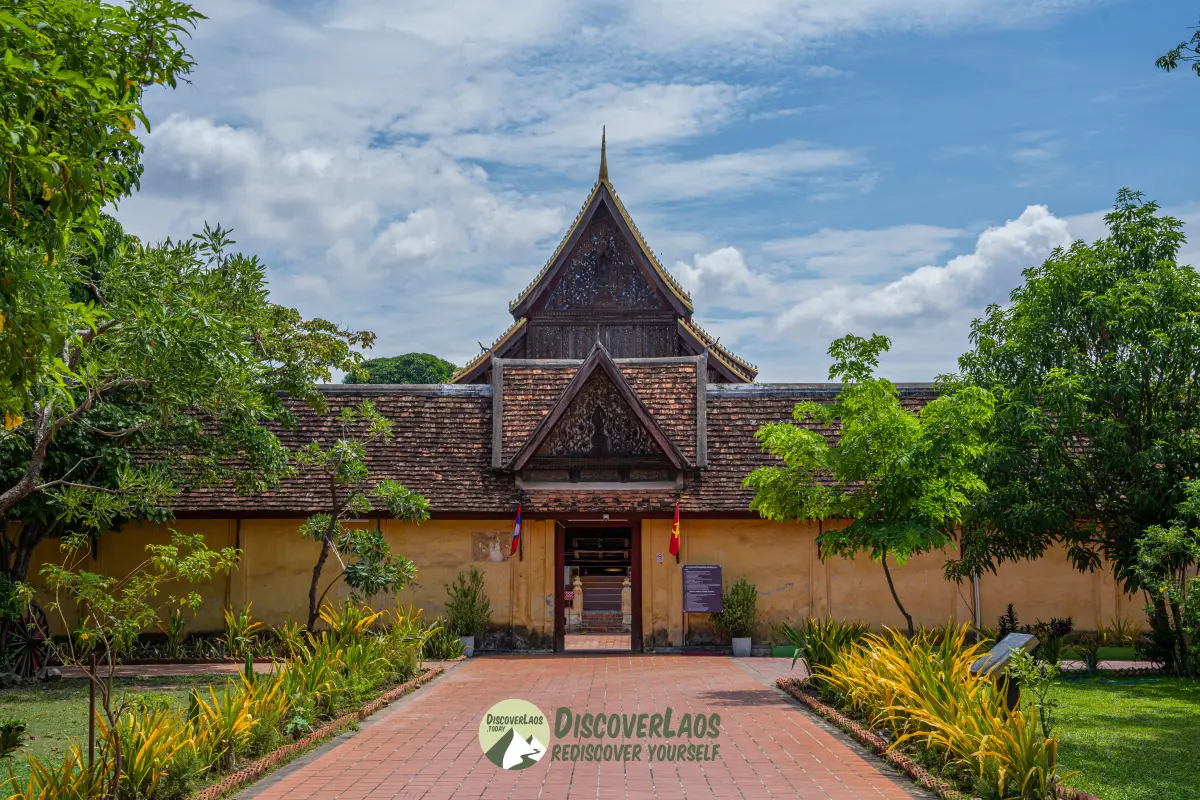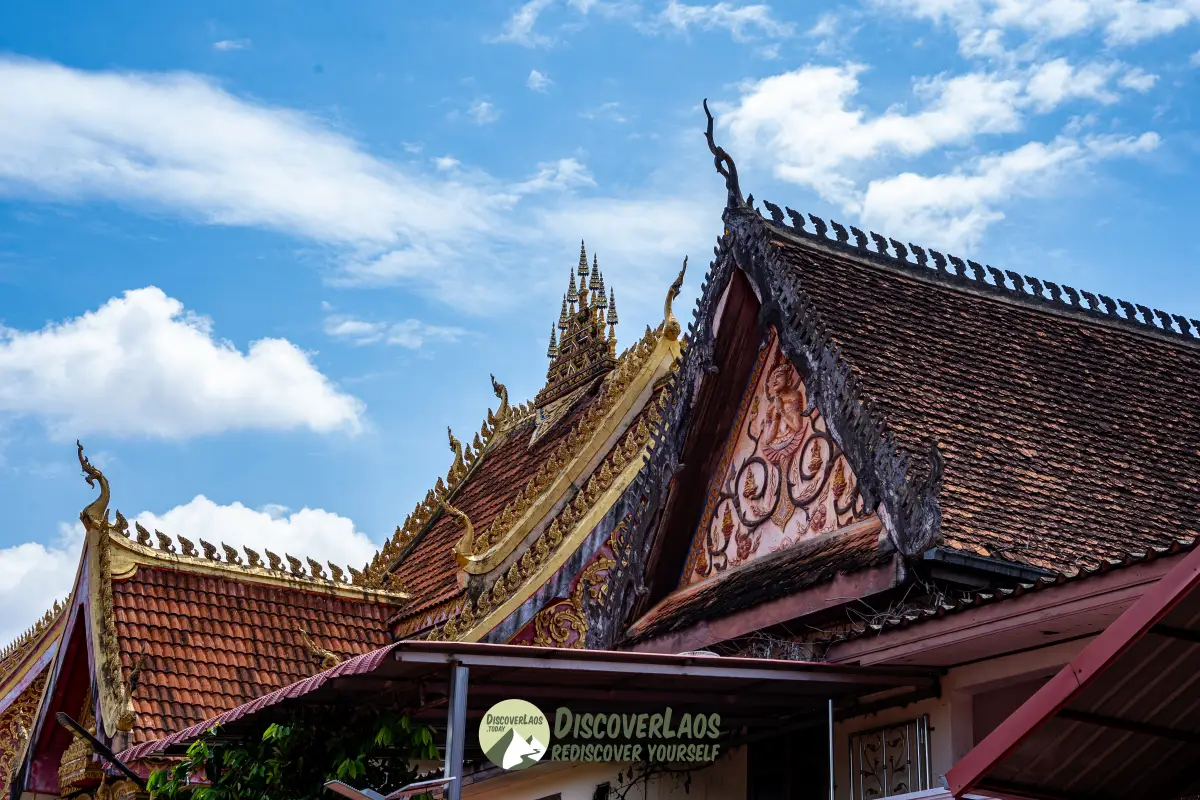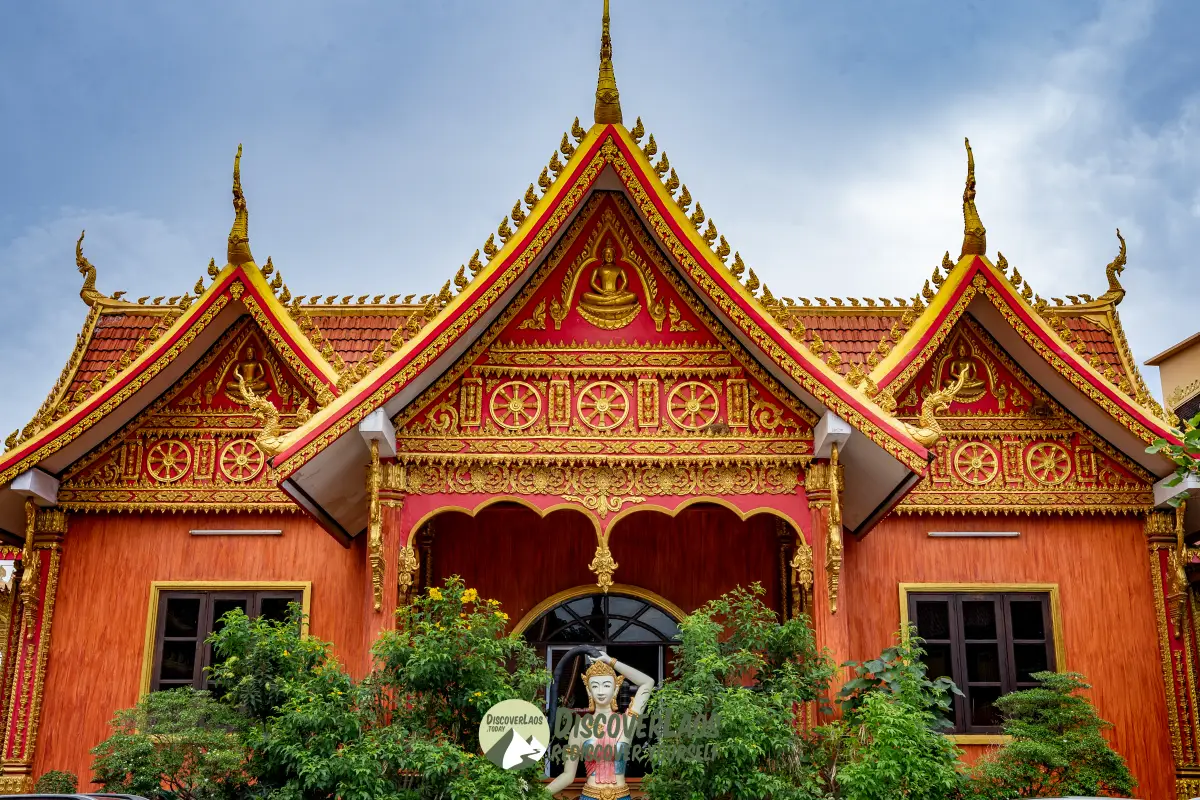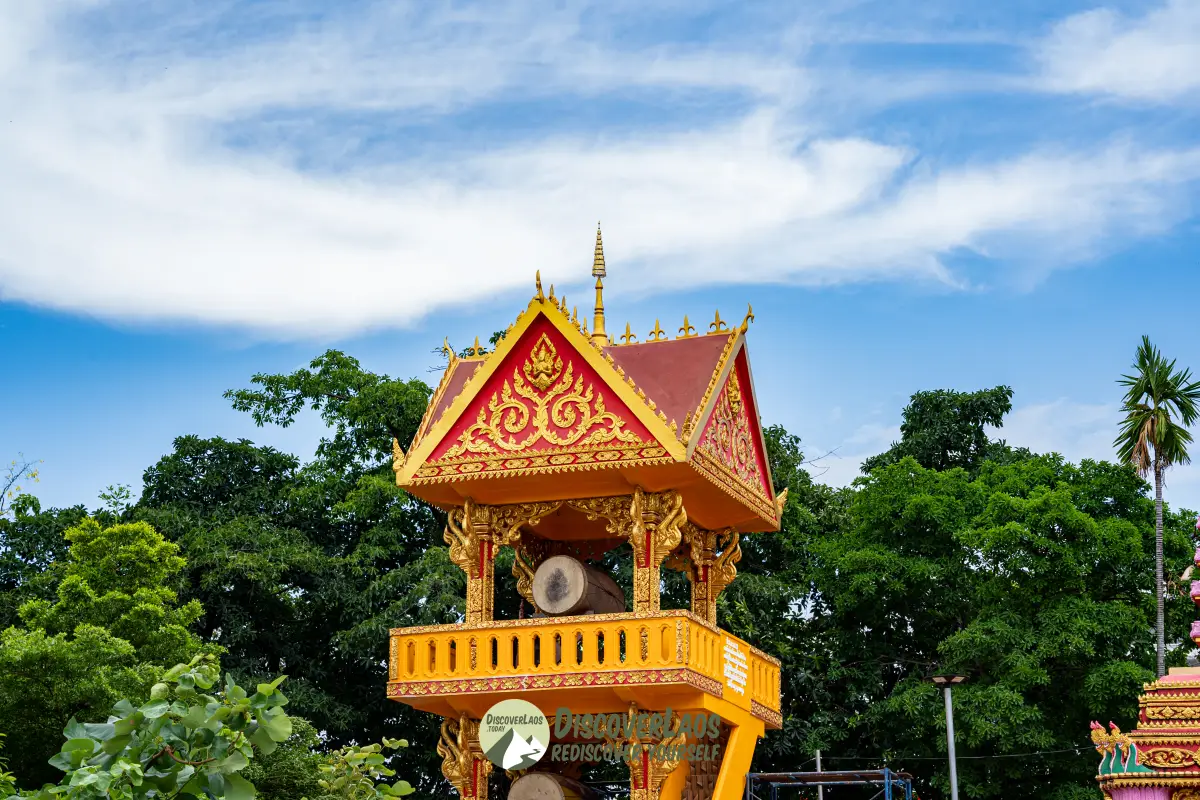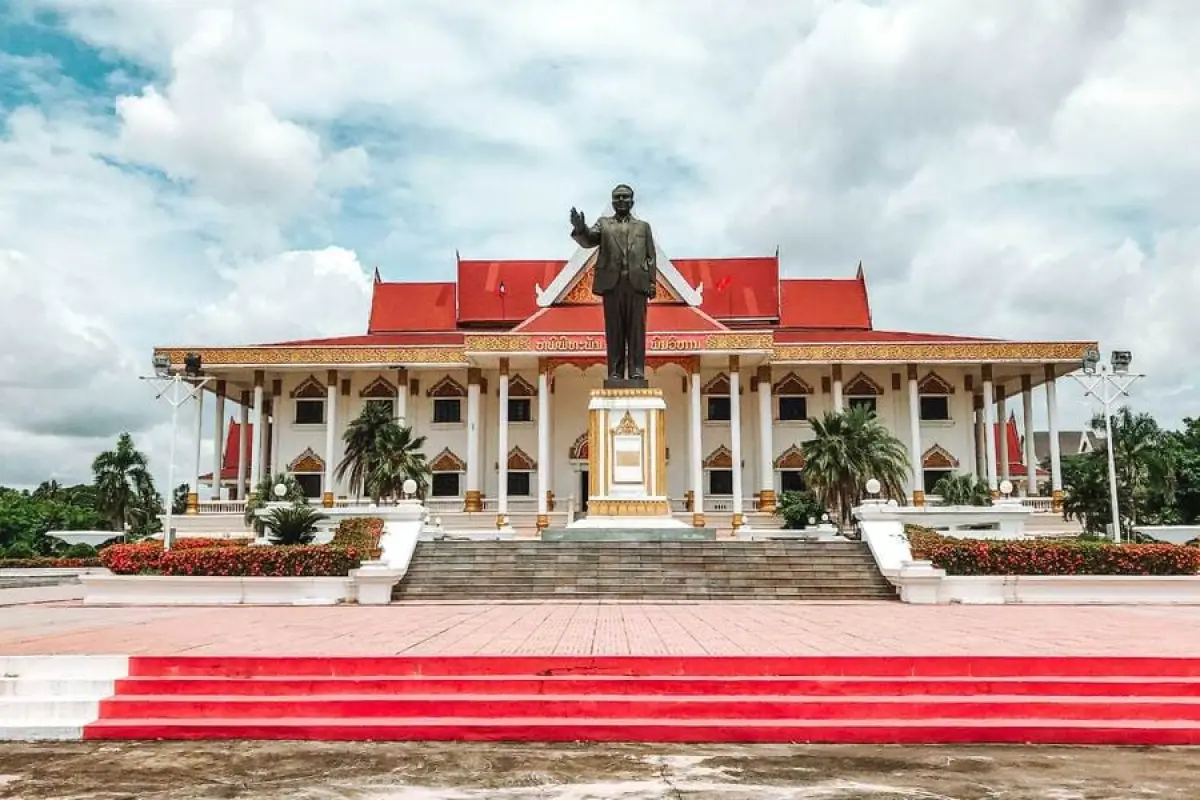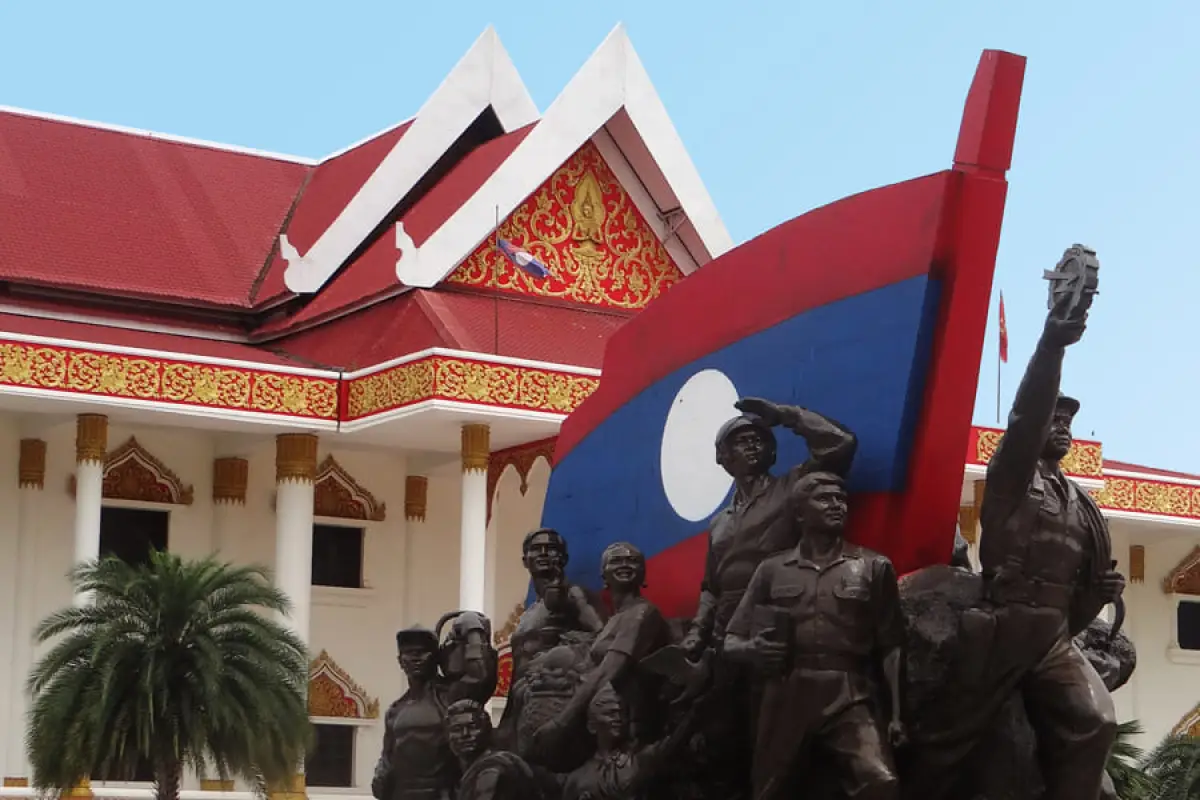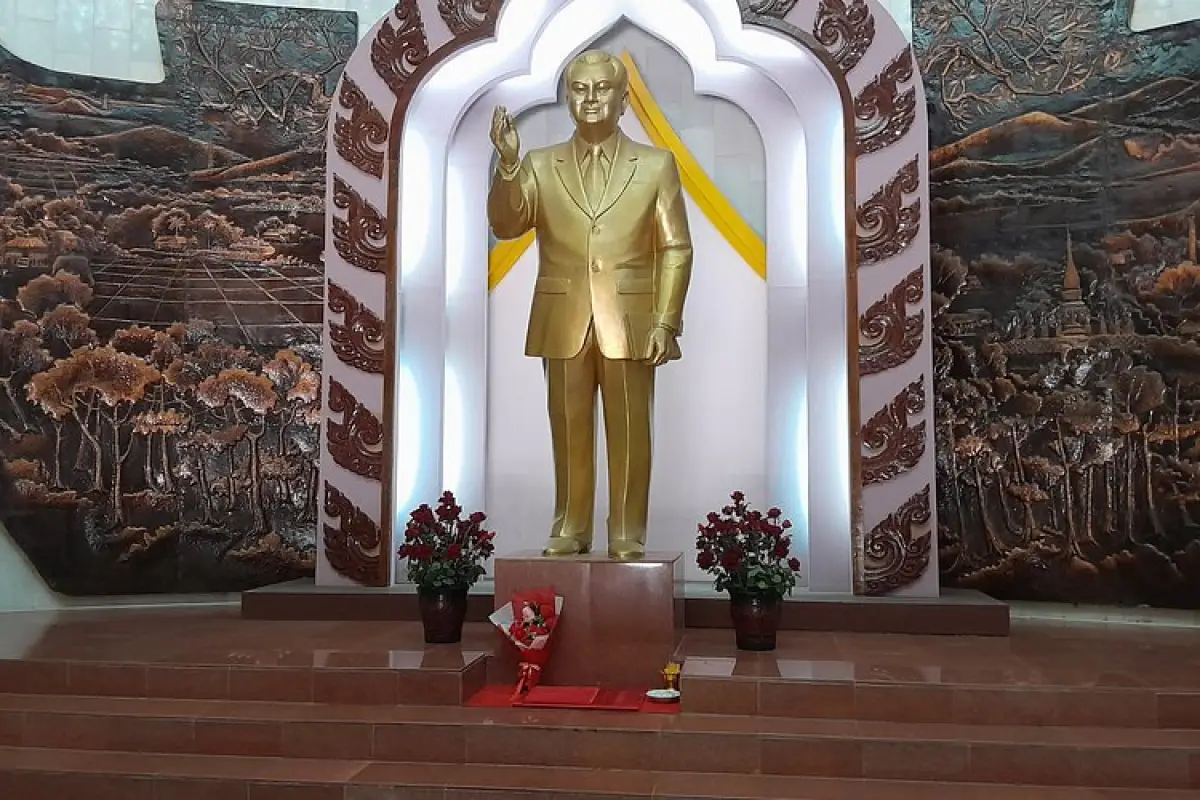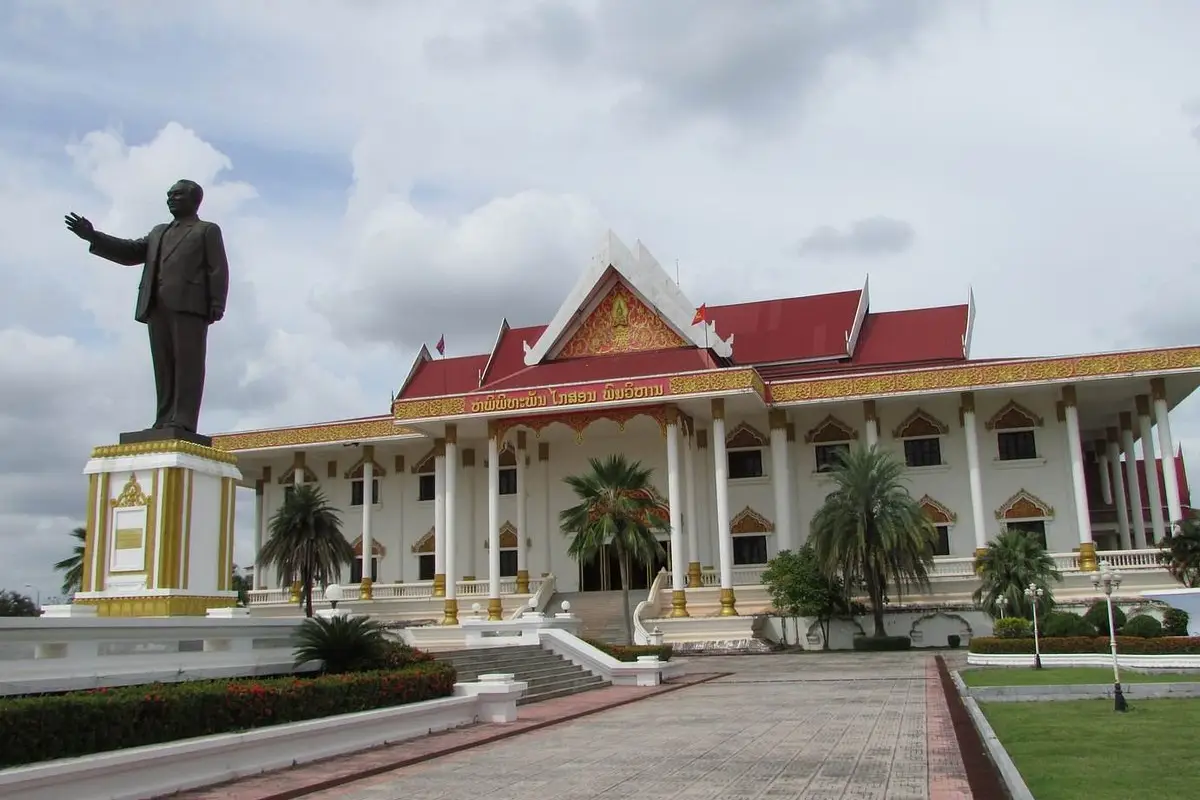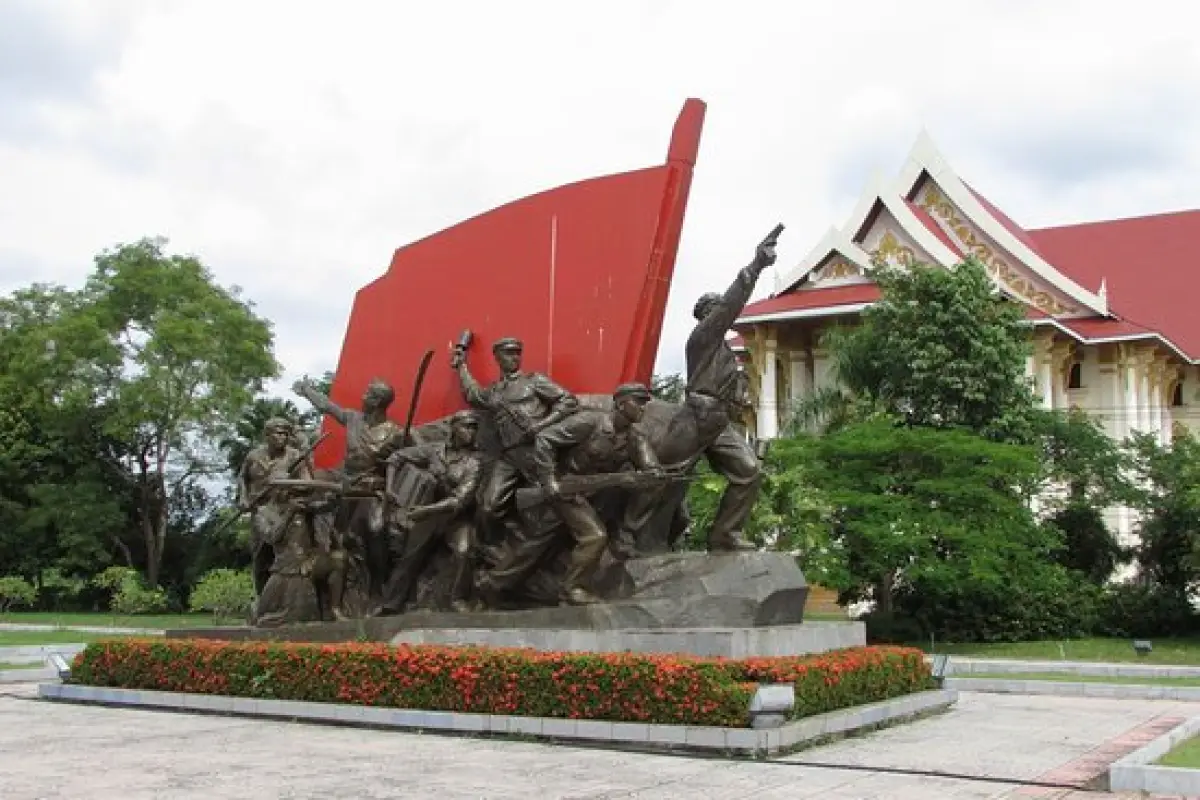
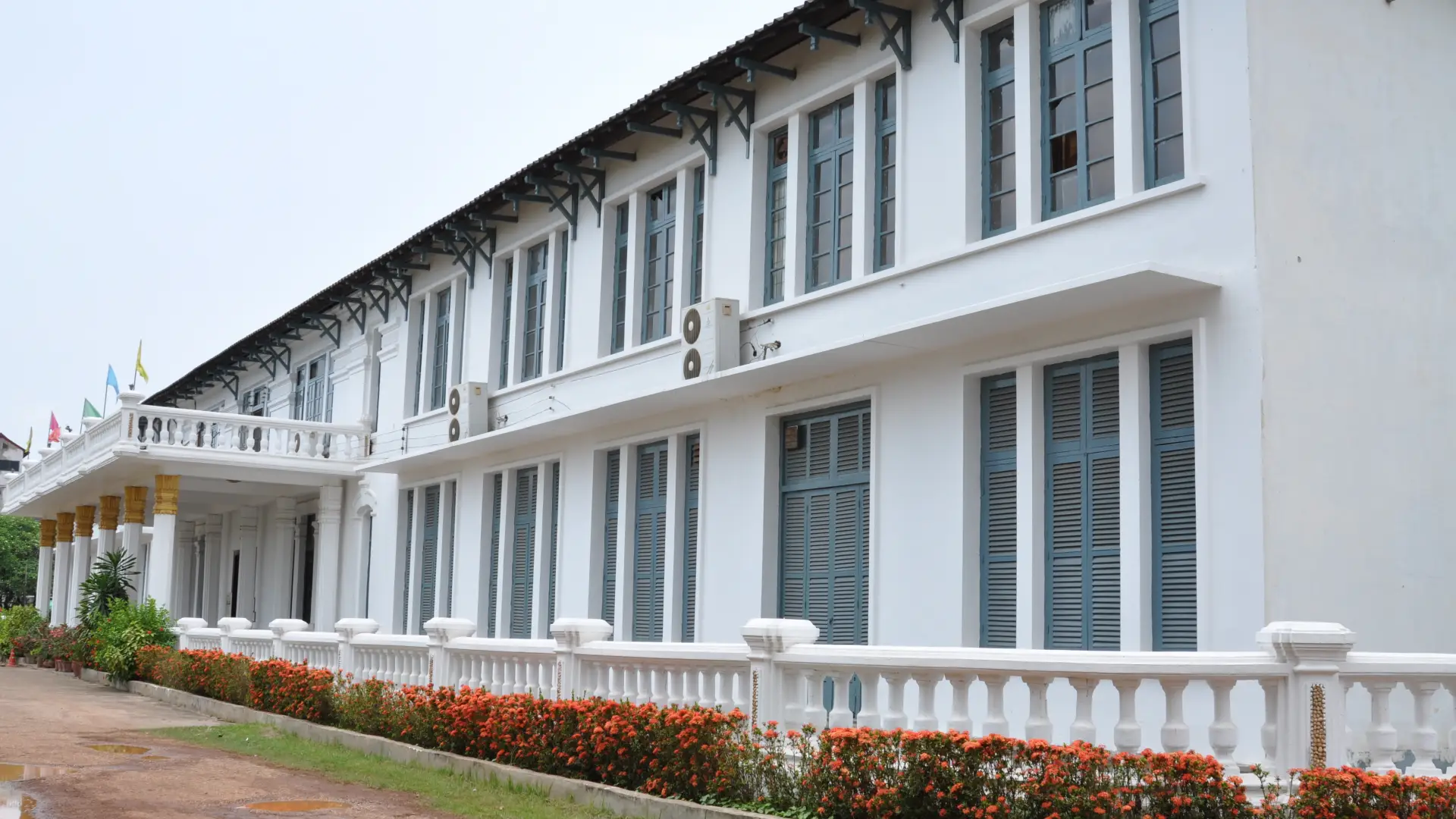
The Lao National Museum is one of the most important cultural and historical institutions in Laos, dedicated to researching, preserving, conserving, storing, and promoting the country's rich historical and cultural heritage. It offers visitors a comprehensive journey through Laos' history, from prehistoric civilizations and the Lan Xang Kingdom to the colonial era, independence movement, and modern-day Lao PDR.
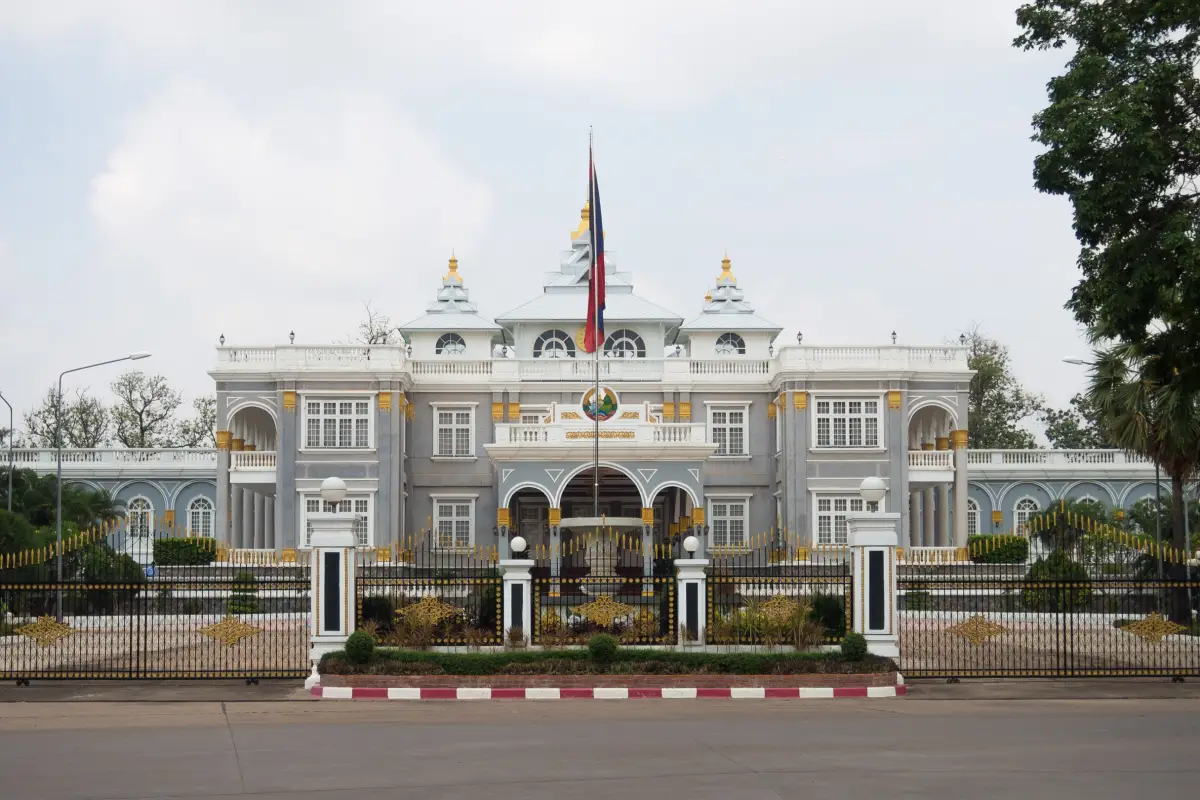
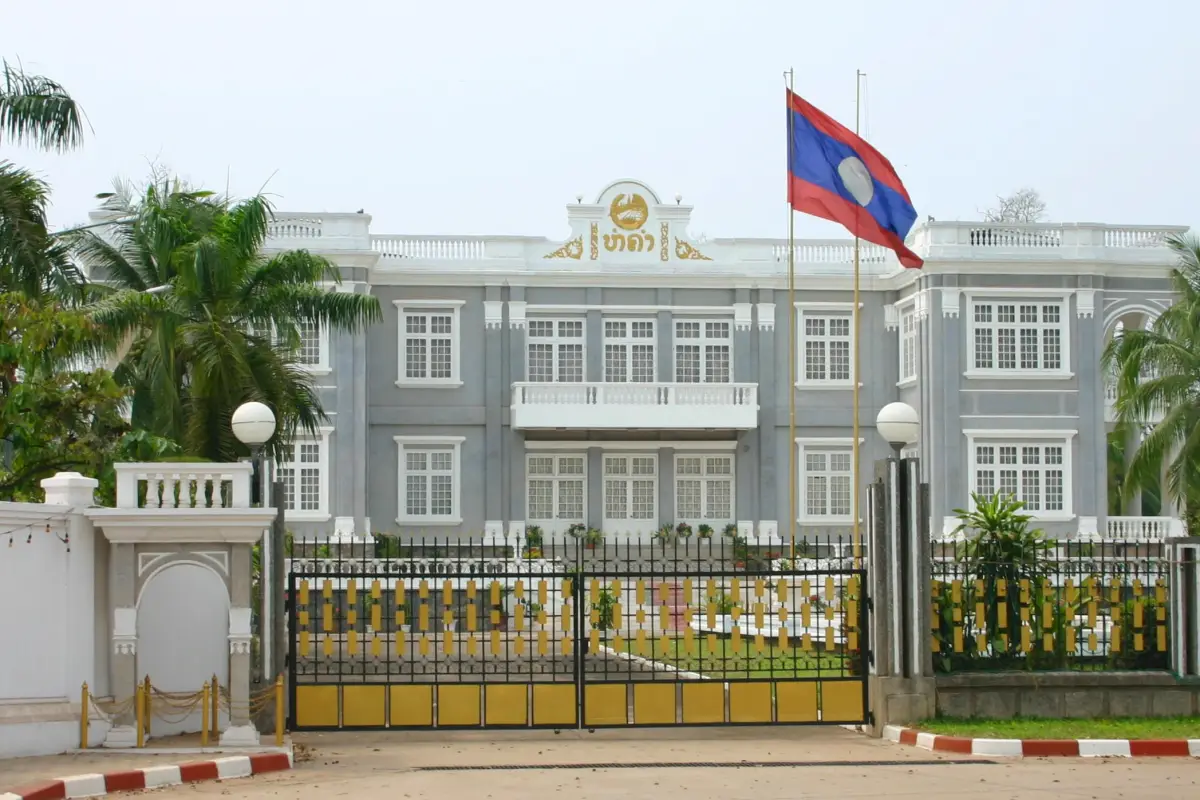
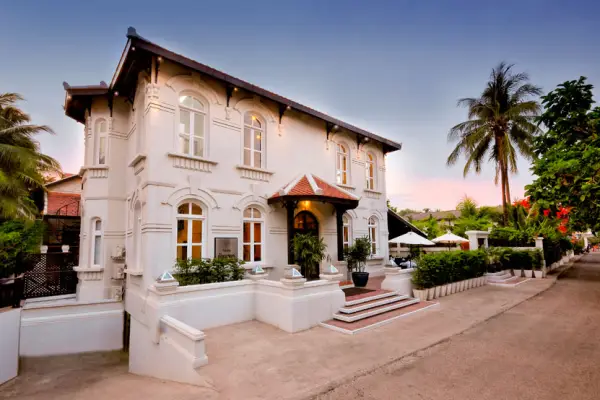
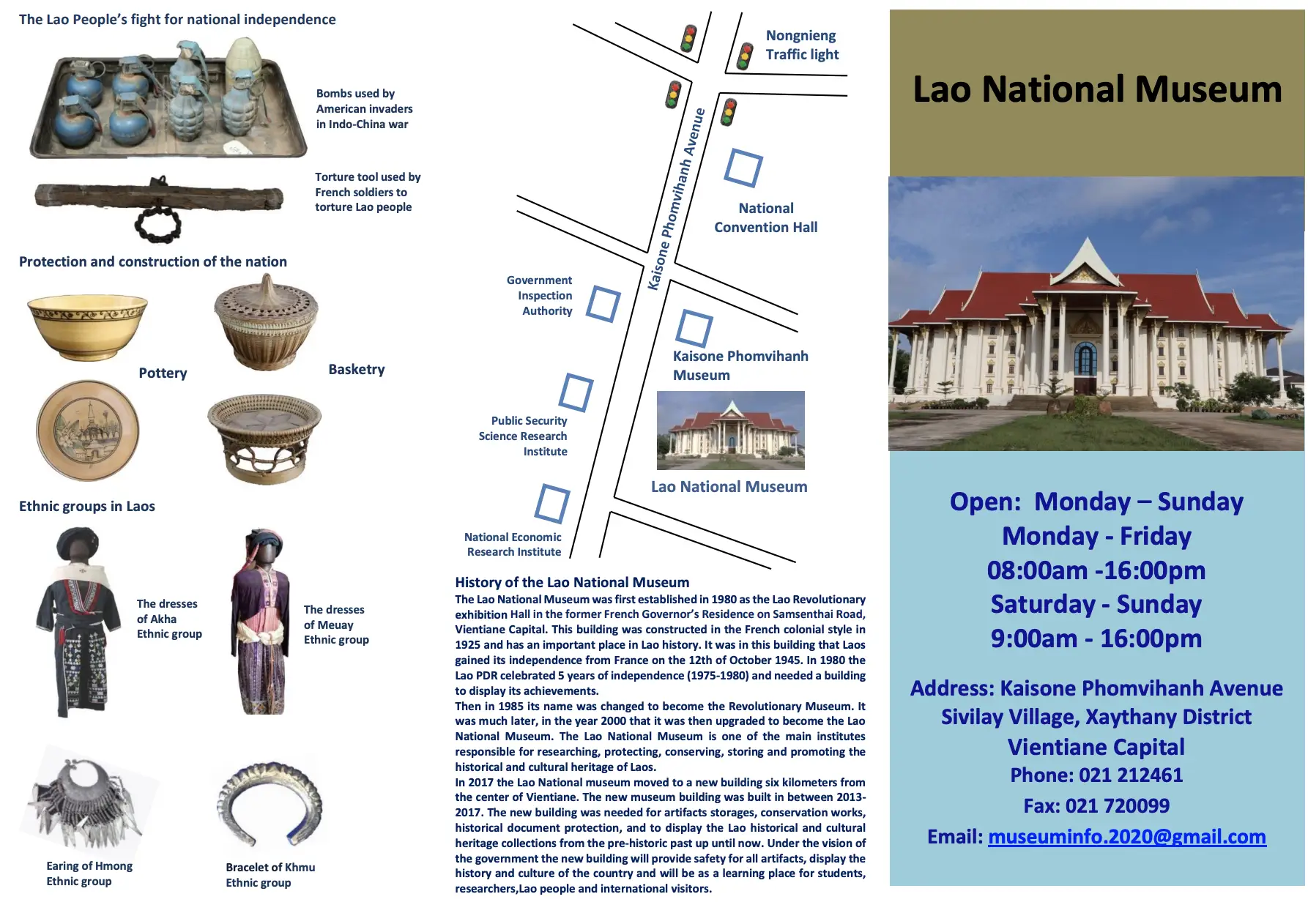
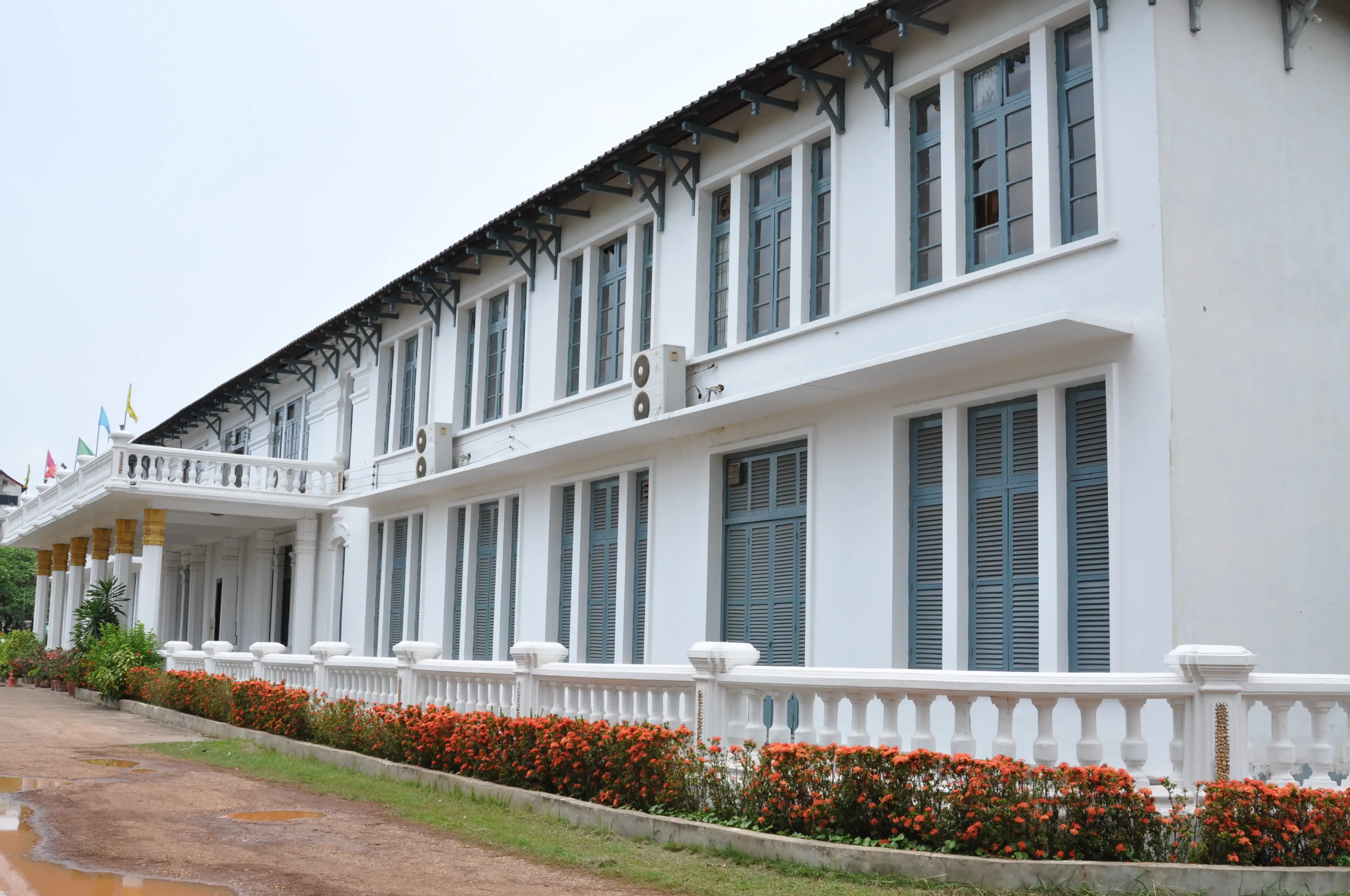
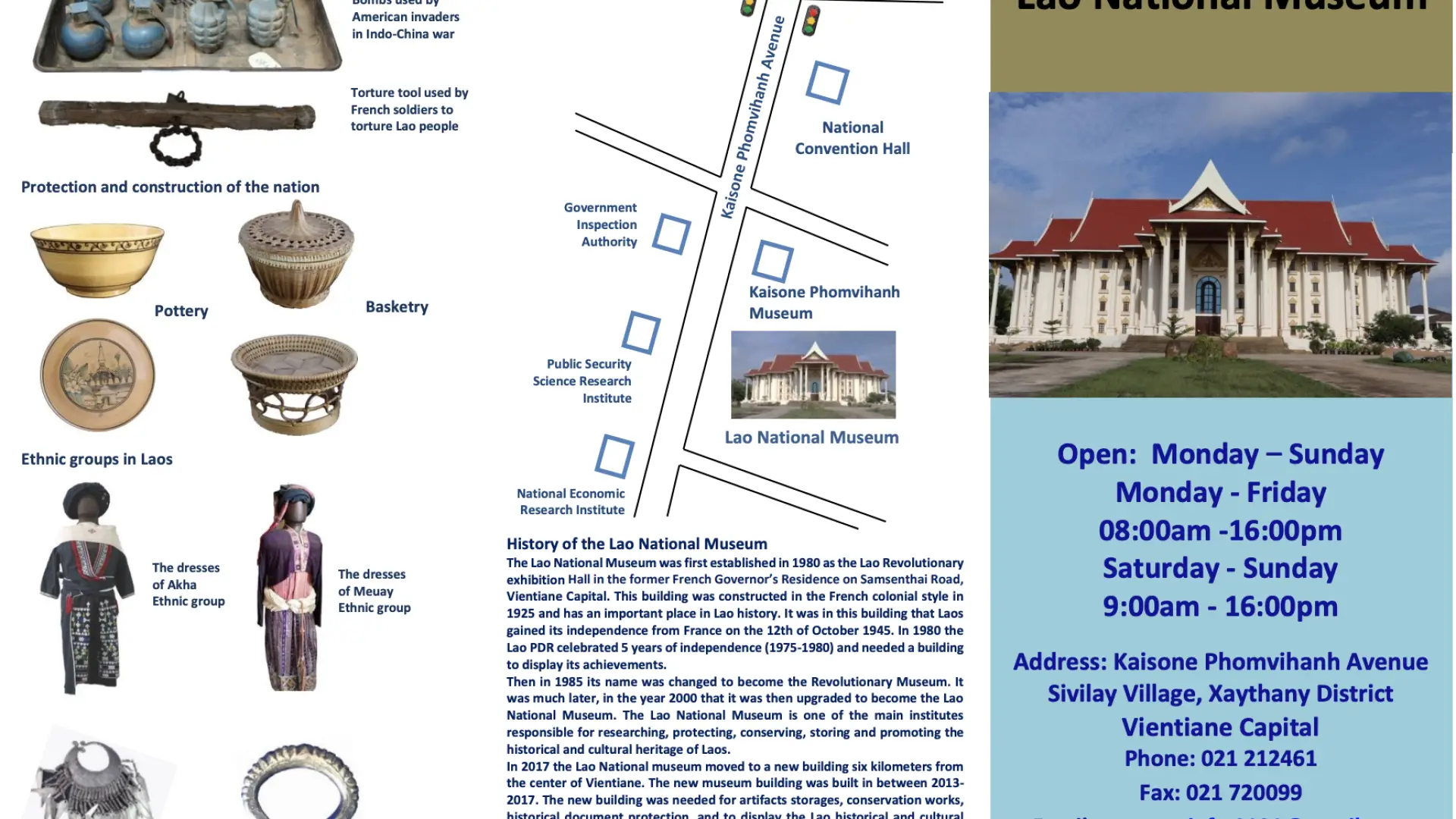
The museum's origins date back to 1980, when it was first established as the Lao Revolutionary Exhibition Hall in the former French Governor's Residence on Samsenthai Road in Vientiane. This historic building, constructed in 1925 in classic French colonial architectural style, occupies an important place in Lao history. It was here that Laos officially gained independence from France on 12 October 1945.
In 1980, as the Lao PDR celebrated the fifth anniversary of its independence (1975–1980), the government selected the building to showcase the country's achievements and revolutionary history. In 1985, the institution was renamed the Revolutionary Museum, and later, in 2000, it was officially upgraded to become the Lao National Museum.
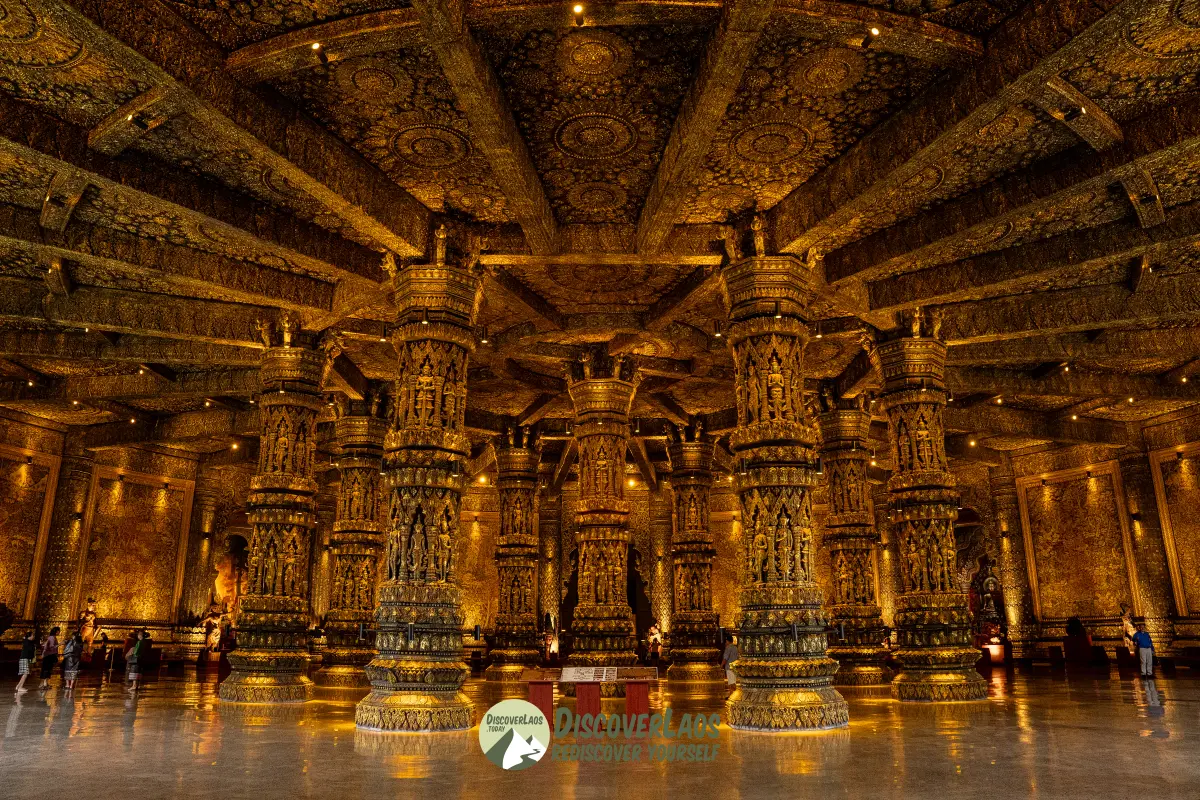
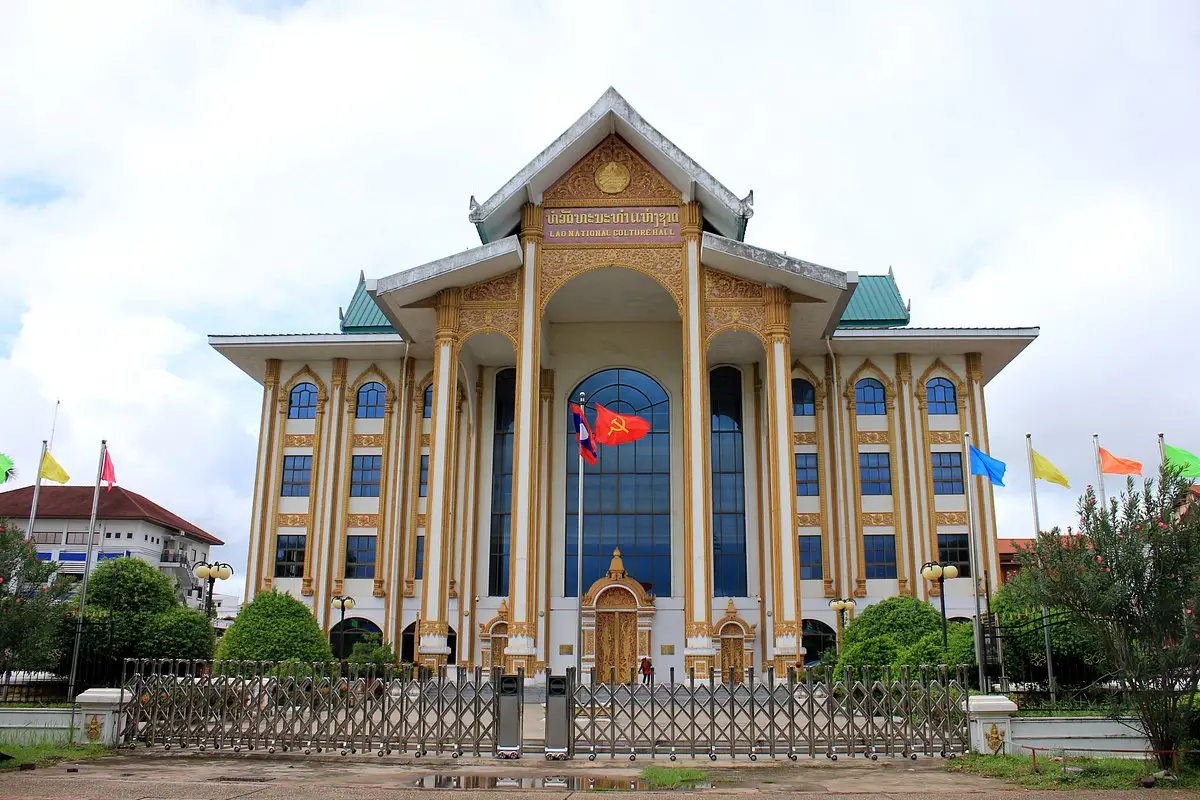
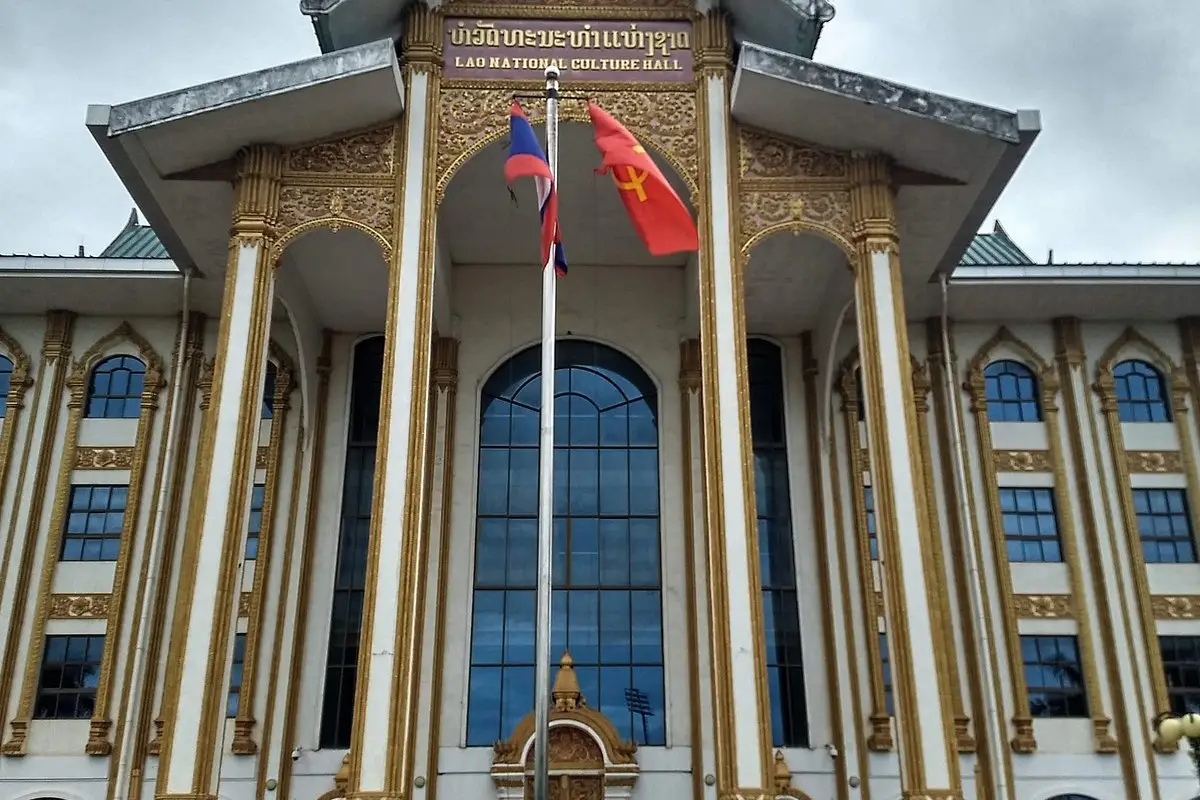
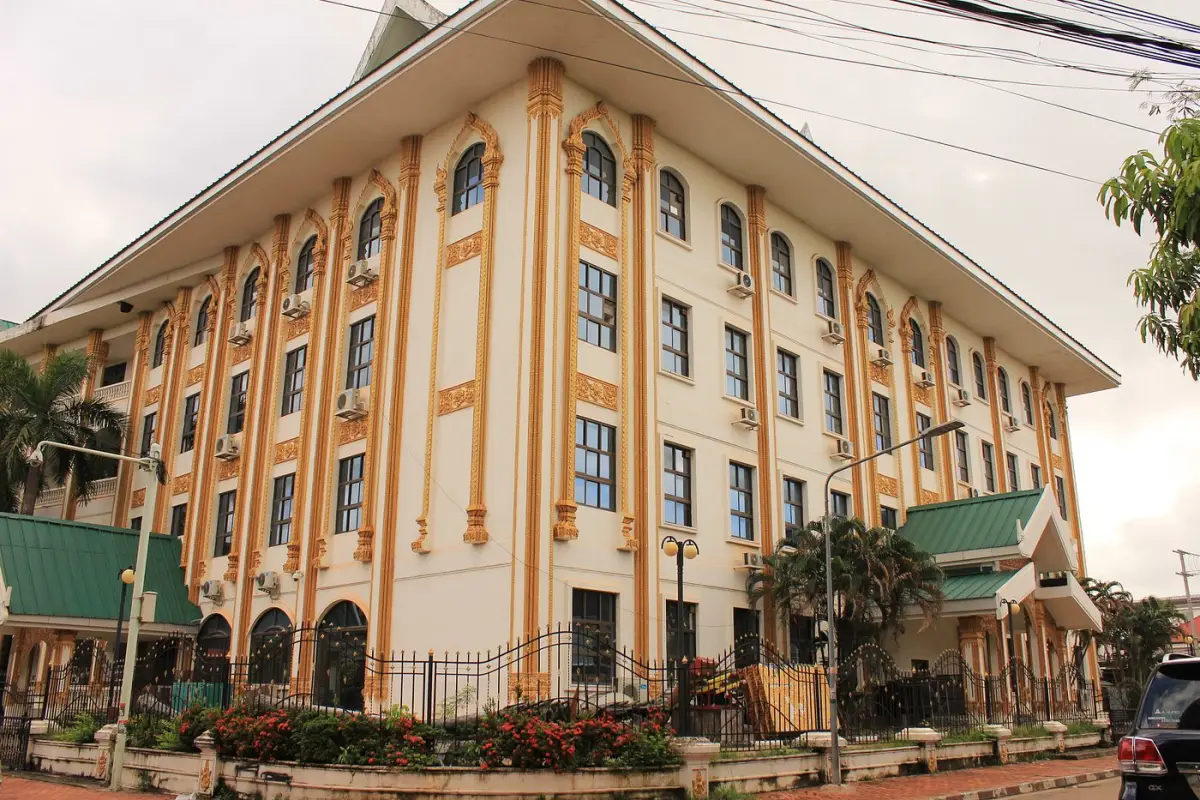
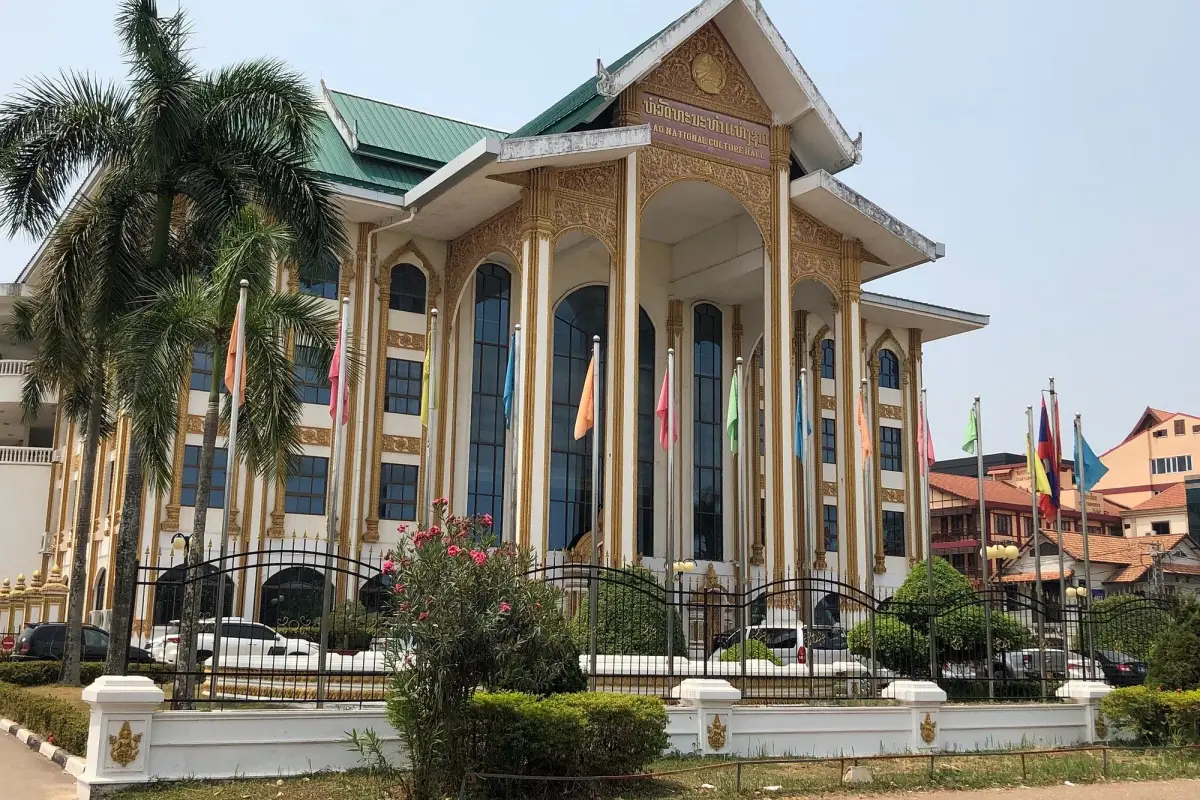
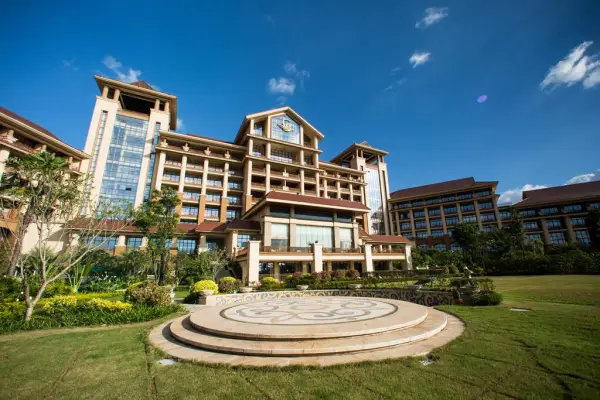
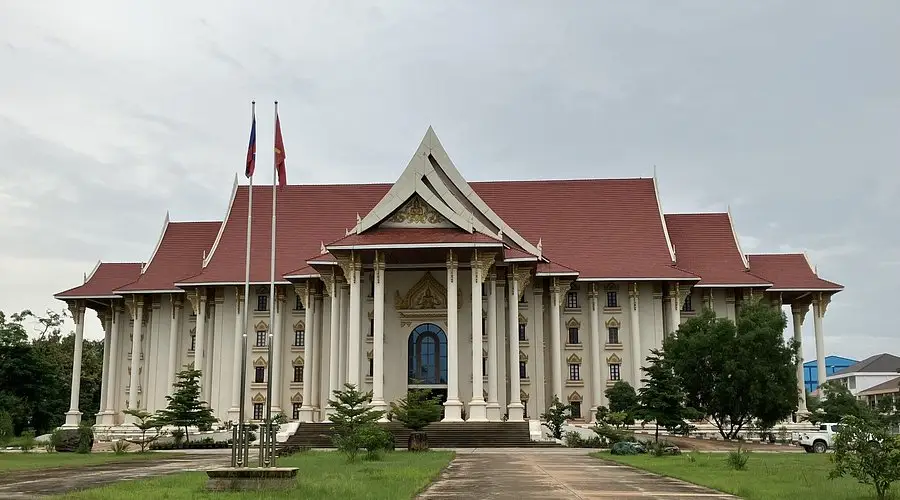
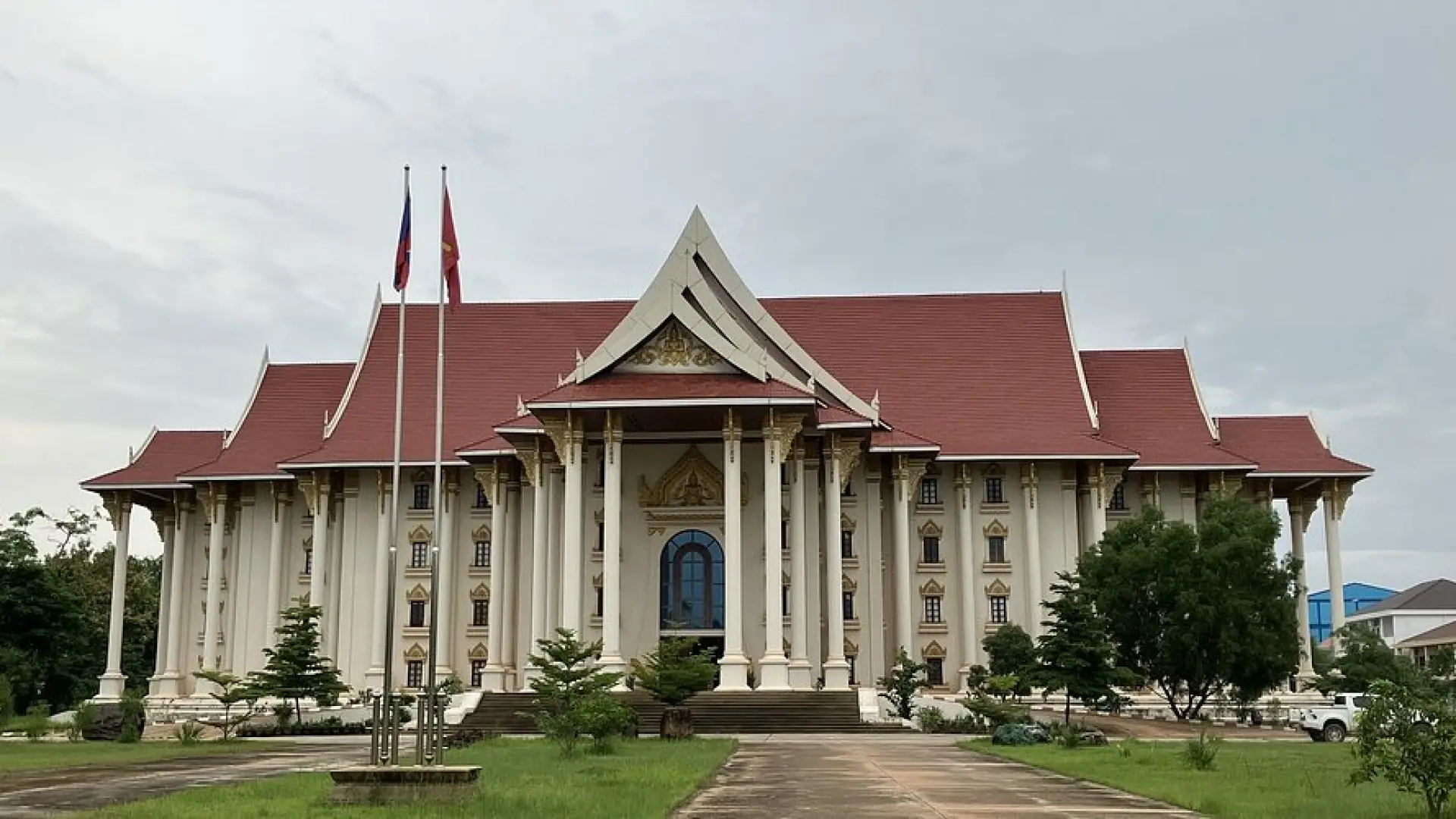
As the museum's collections continued to expand, a larger and more modern facility became necessary. Between 2013 and 2017, a new museum complex was constructed approximately six kilometers from central Vientiane. In 2017, the Lao National Museum relocated to this new building, designed specifically to provide modern artifact storage, conservation facilities, historical document protection, research spaces, and improved exhibition galleries.
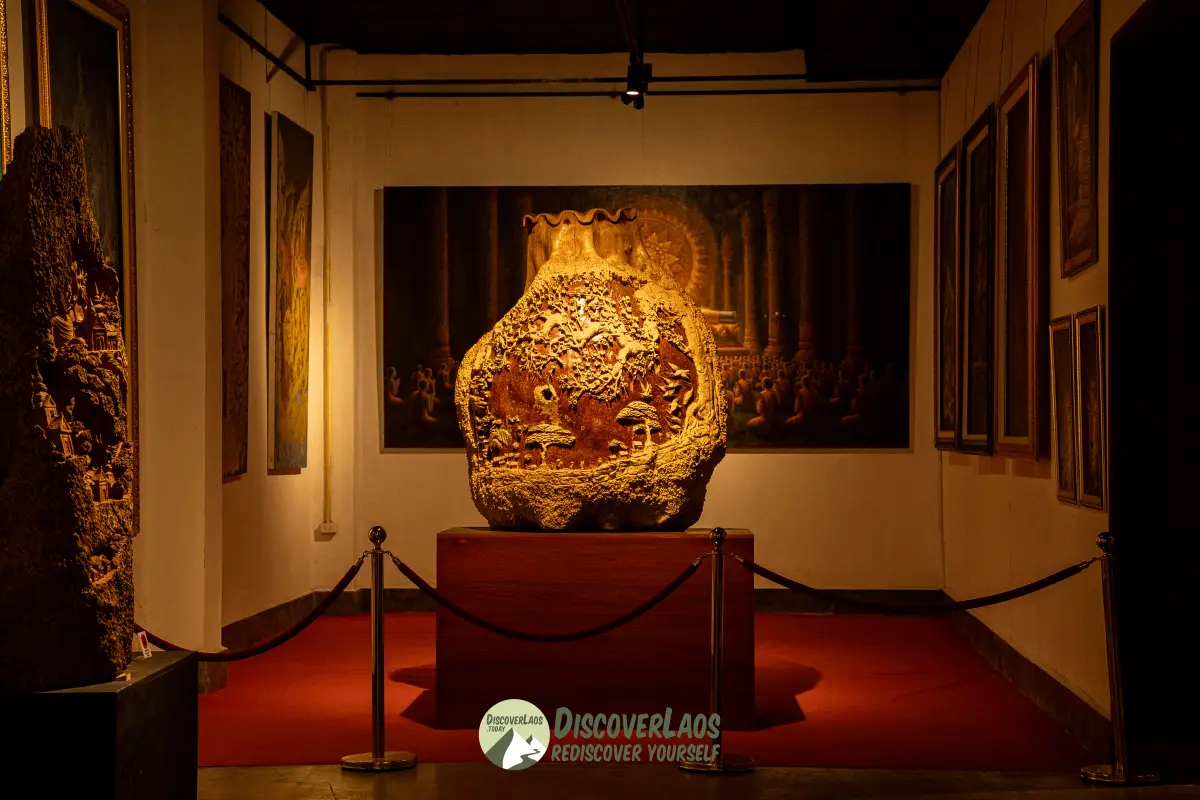
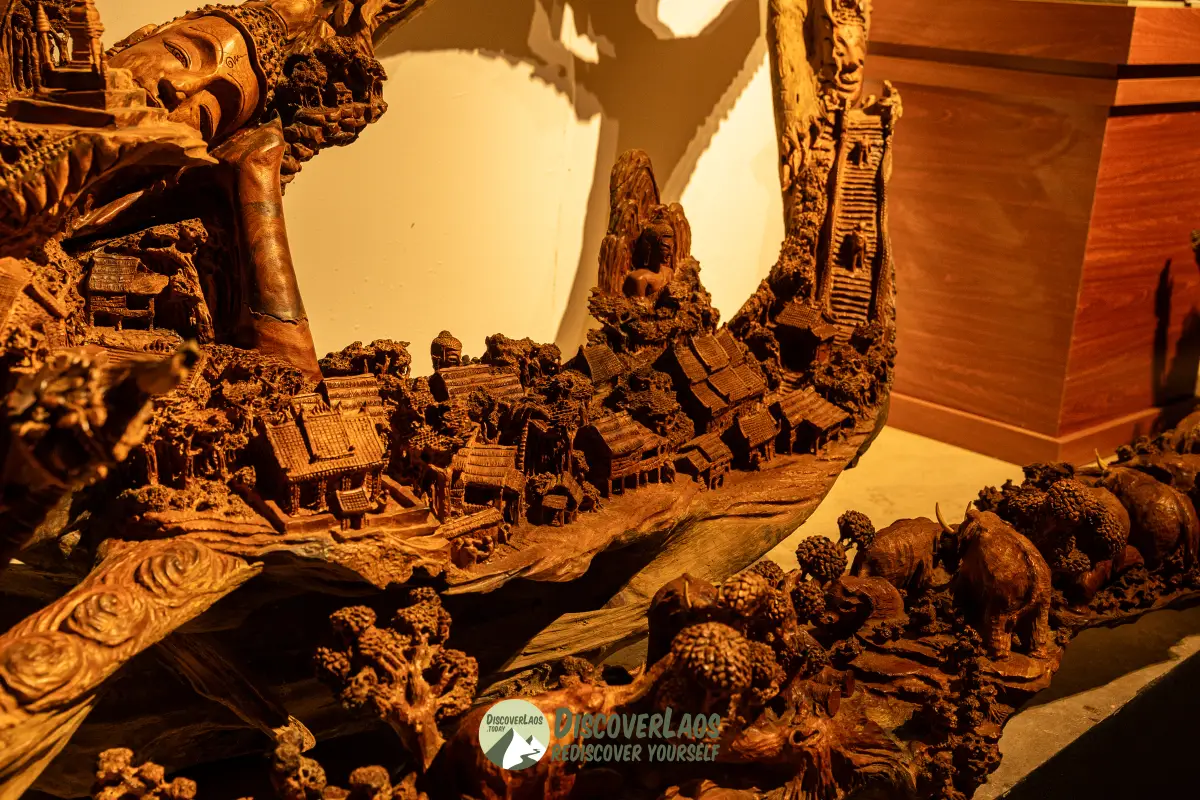
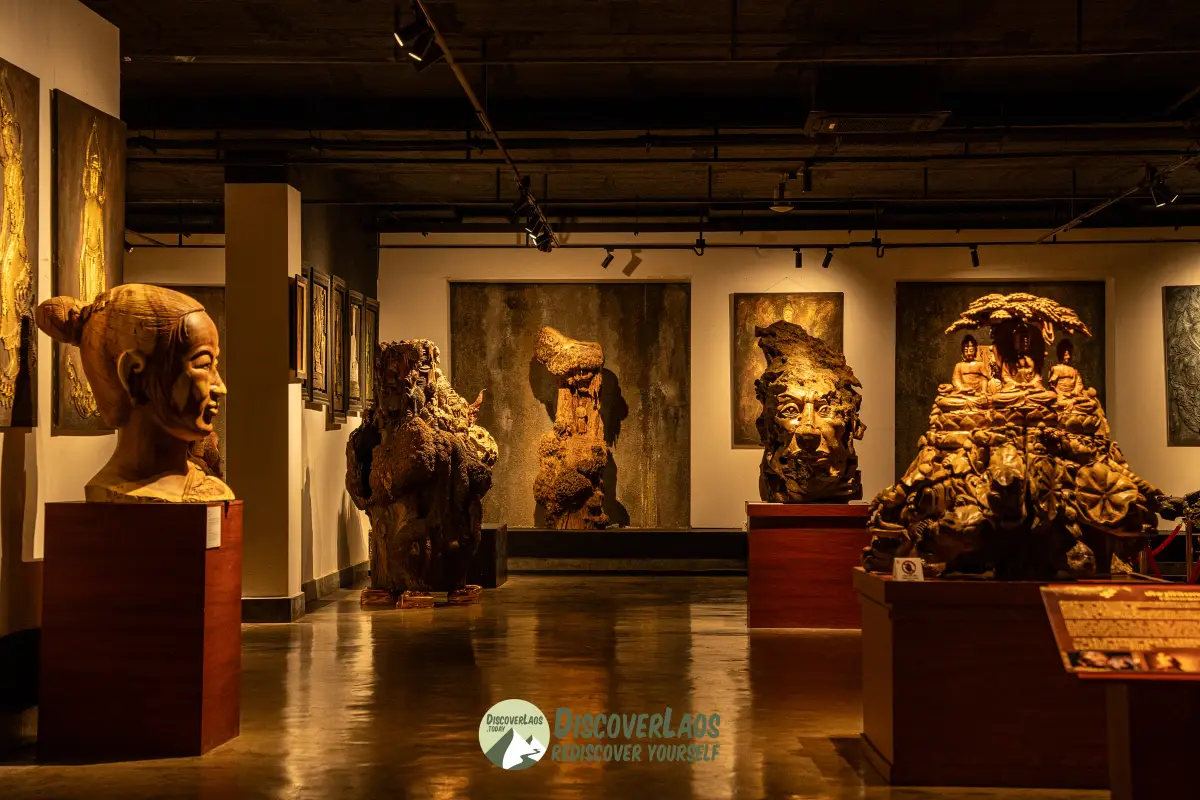
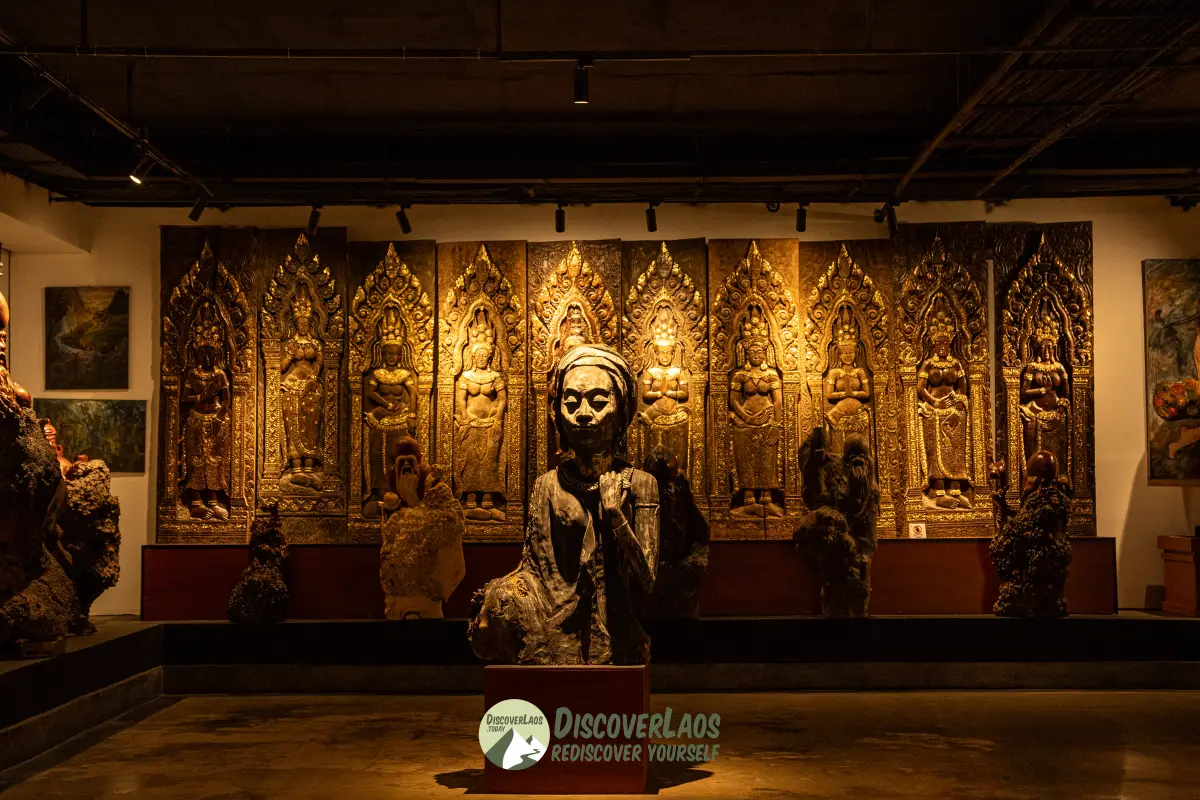
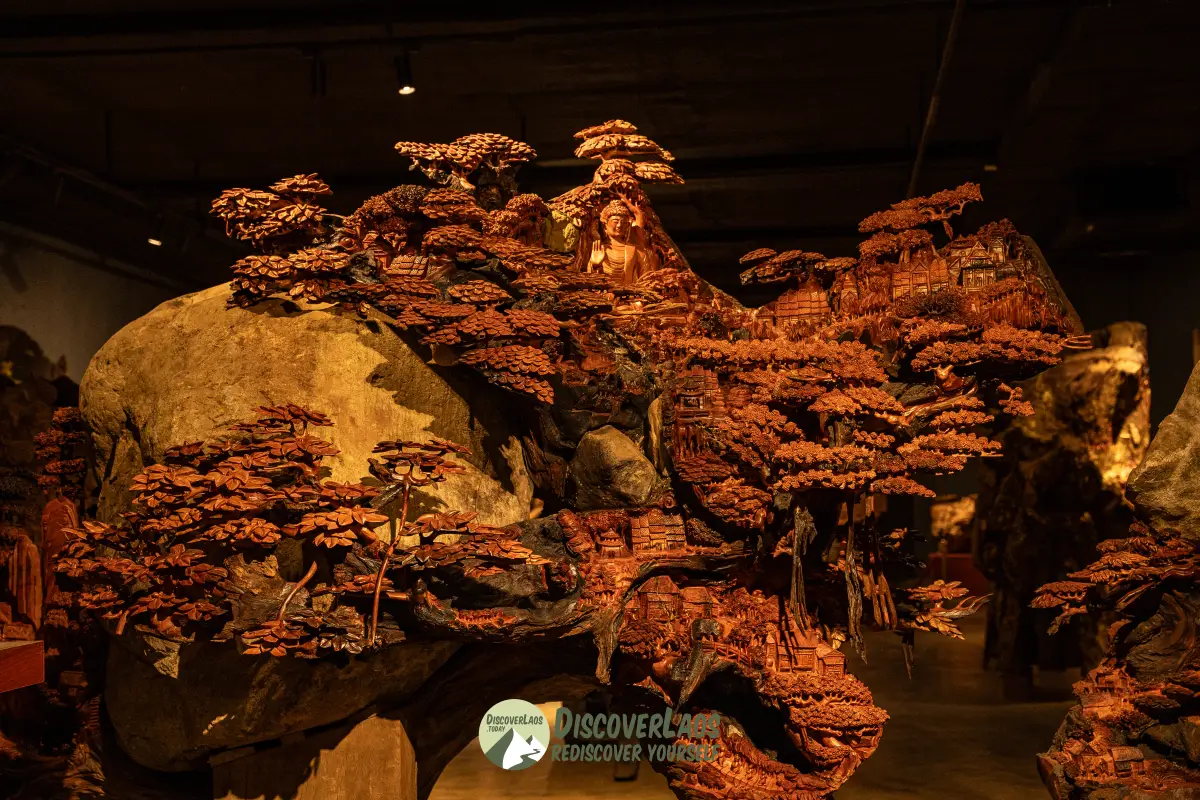
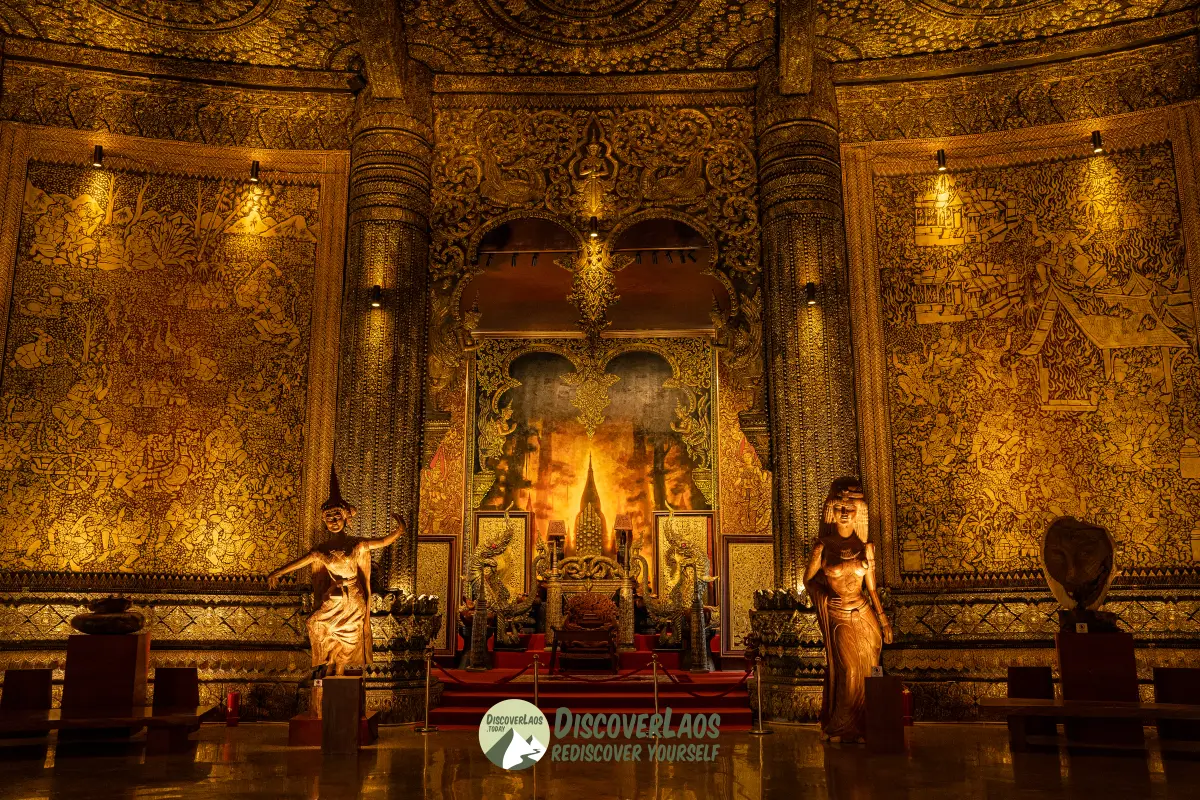
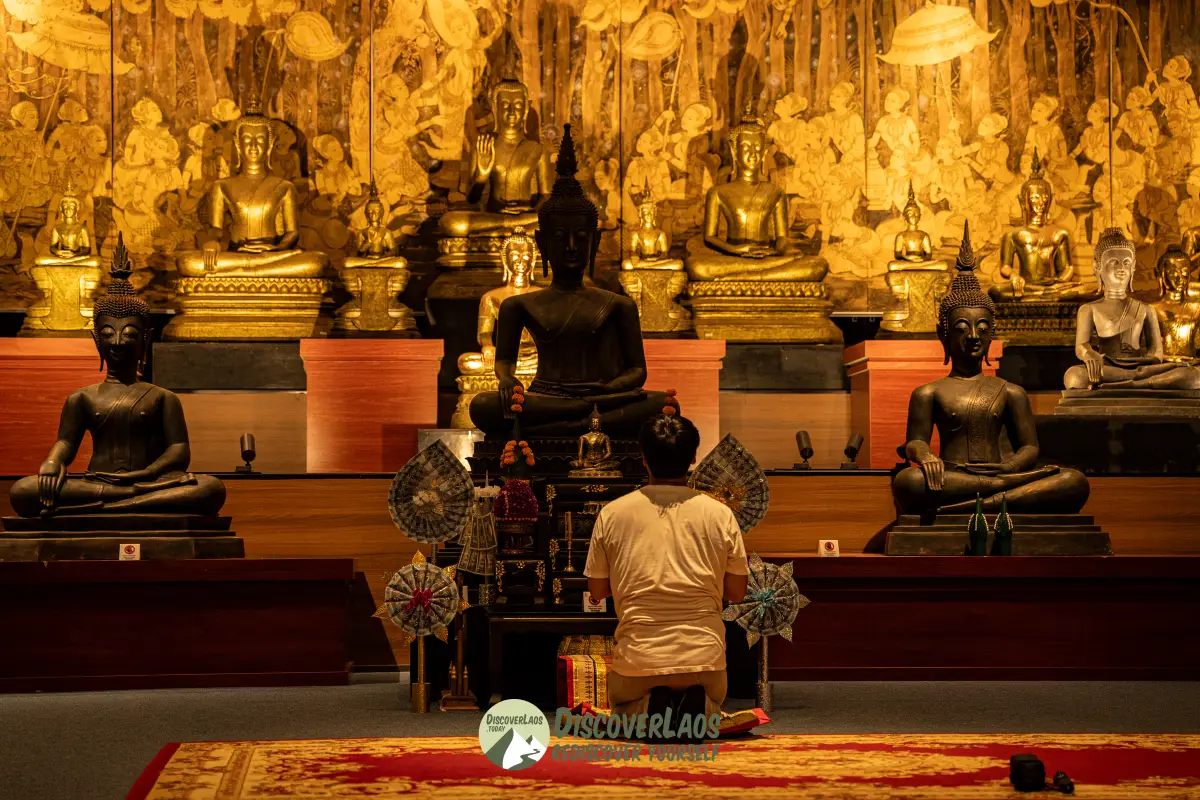
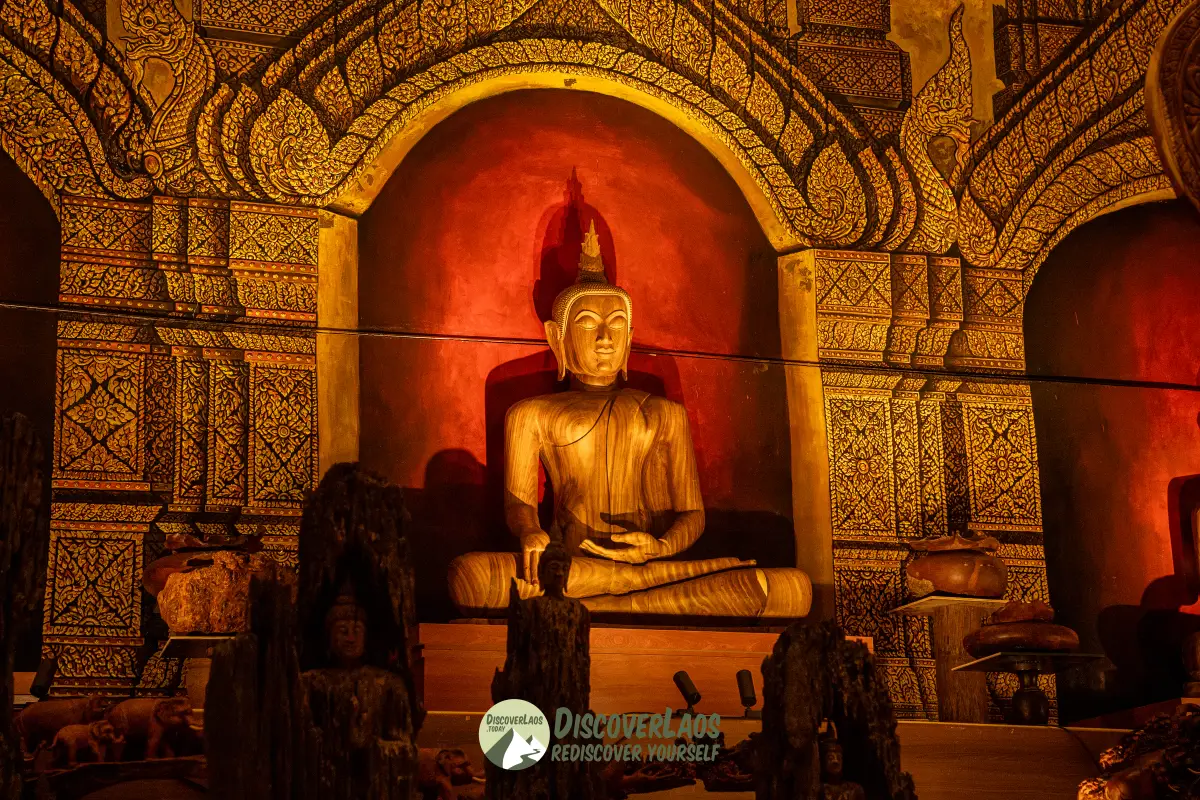
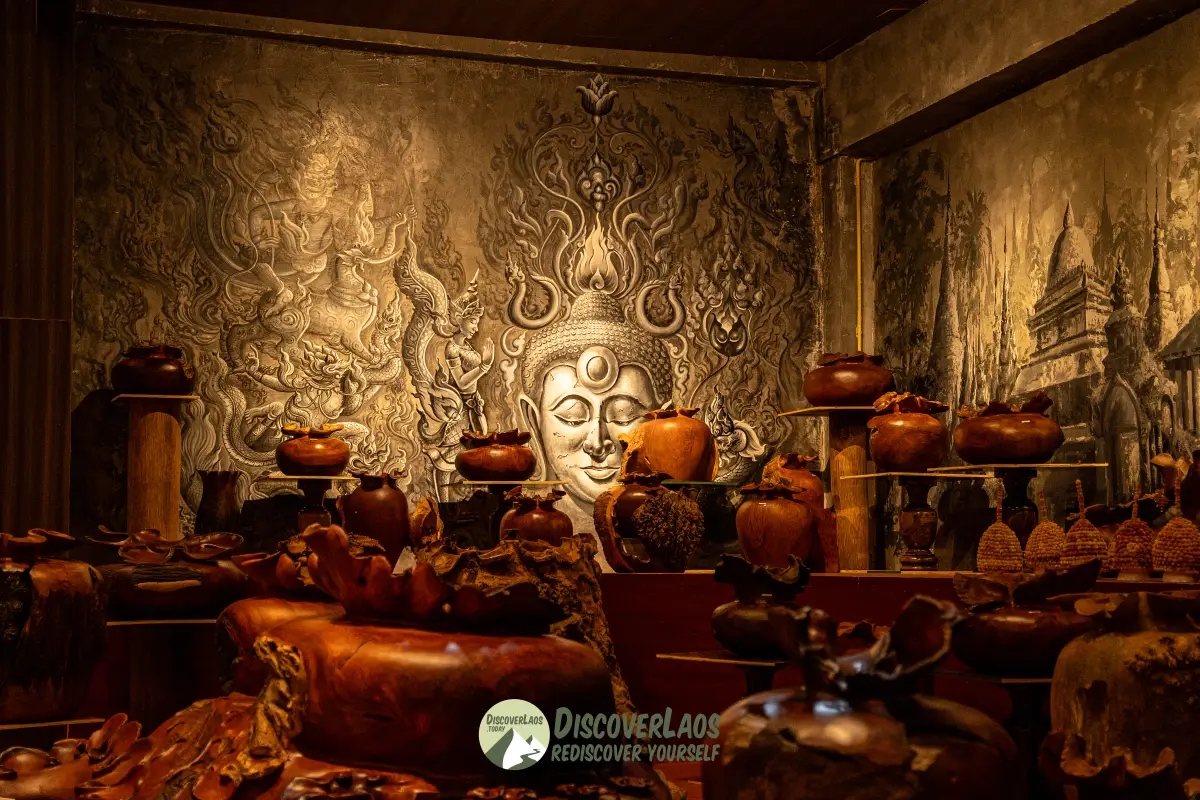
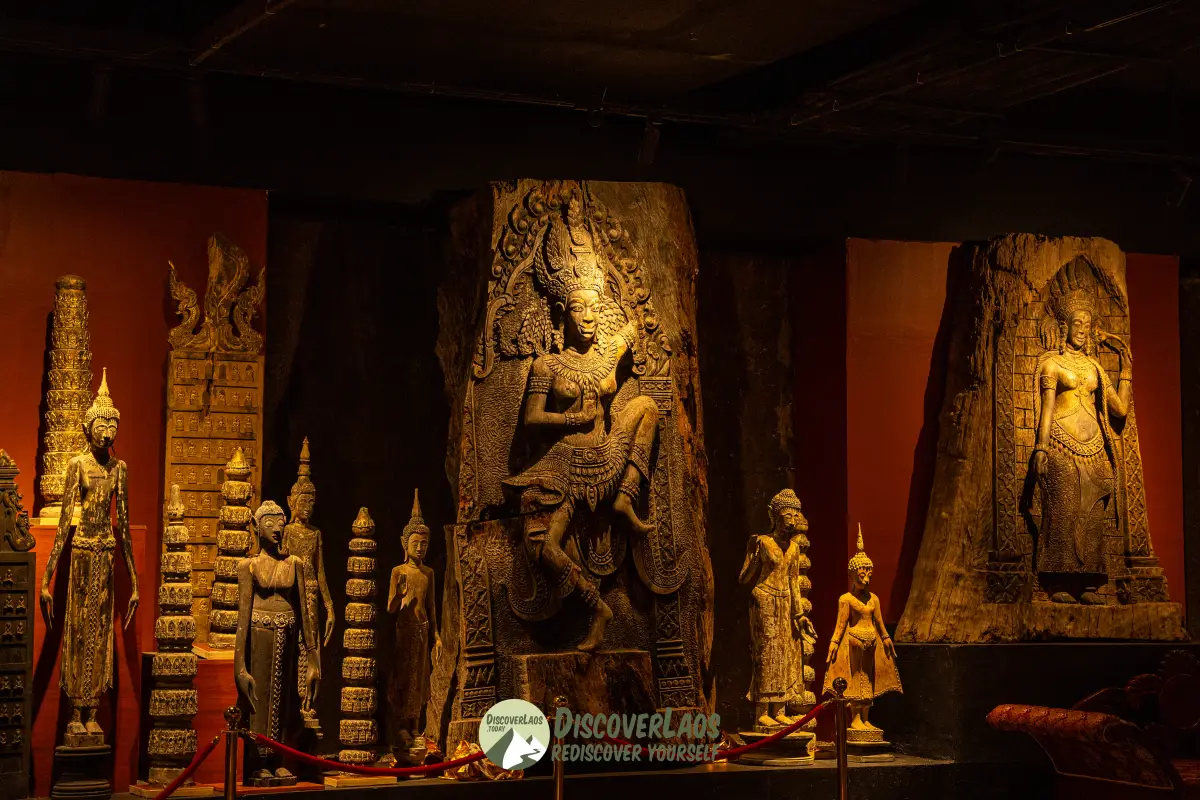
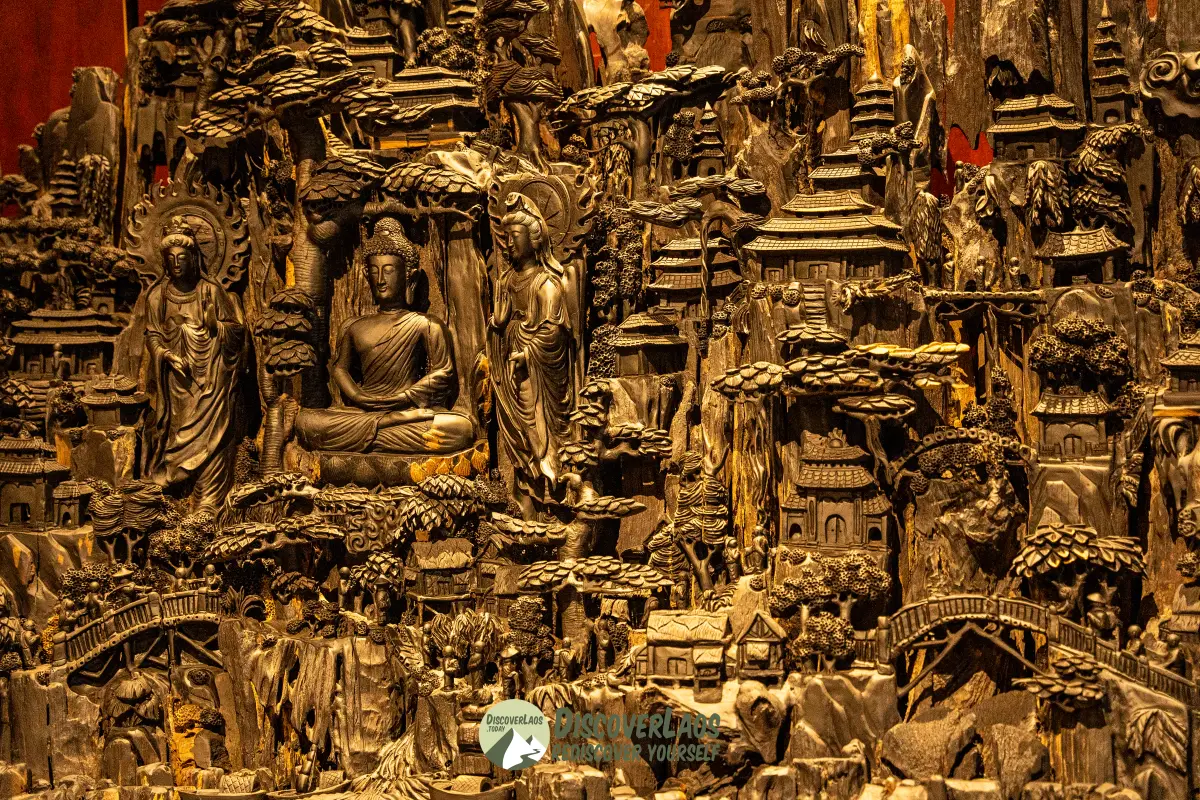
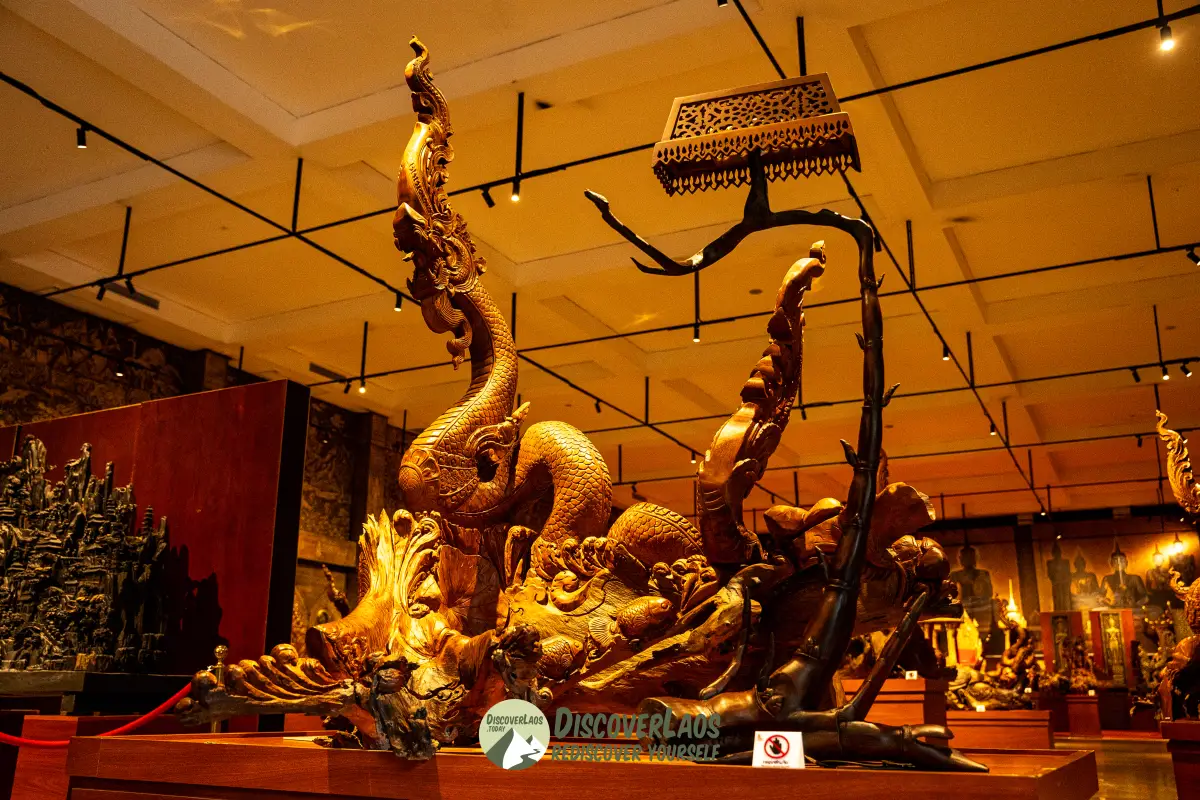
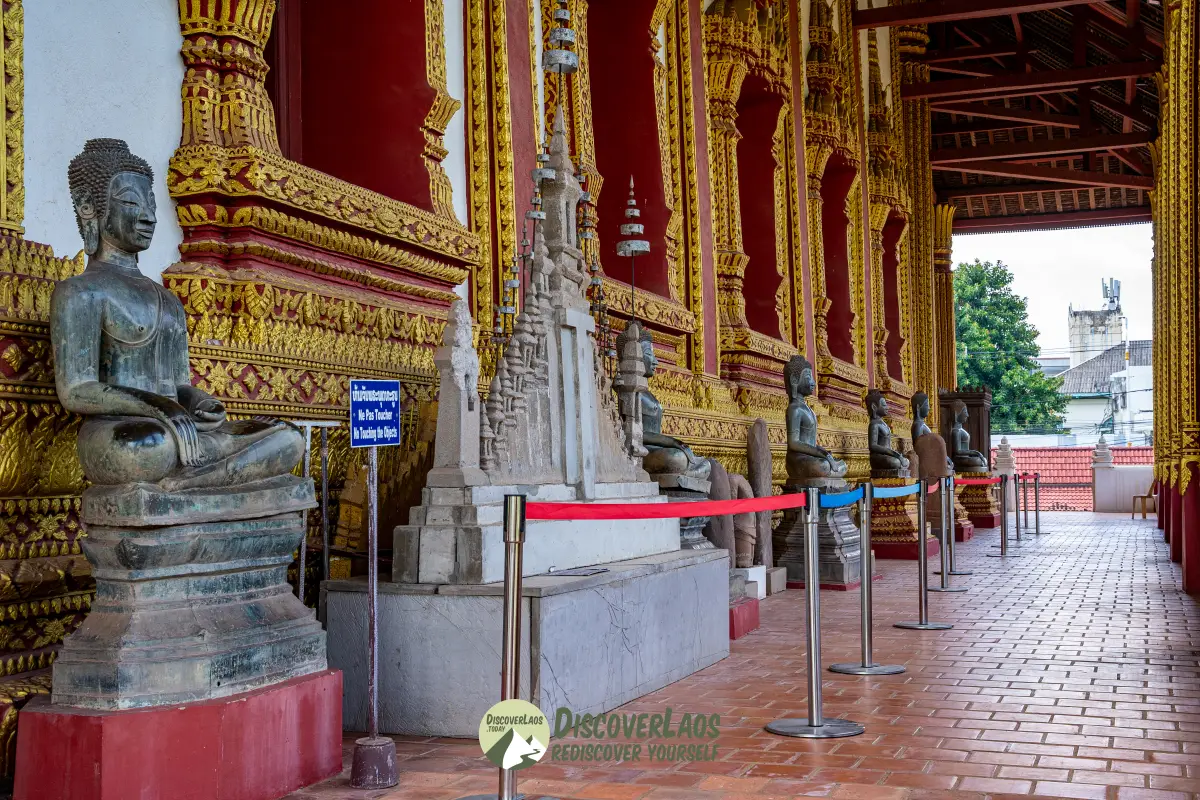
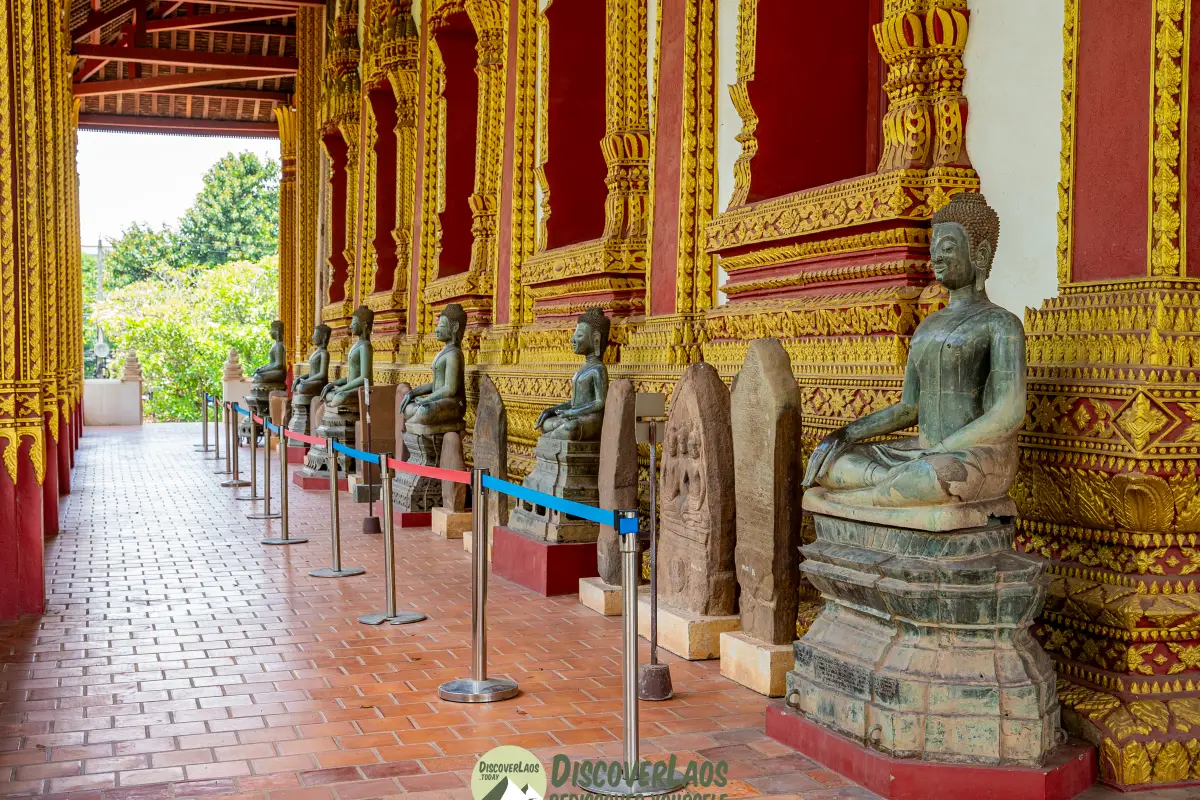
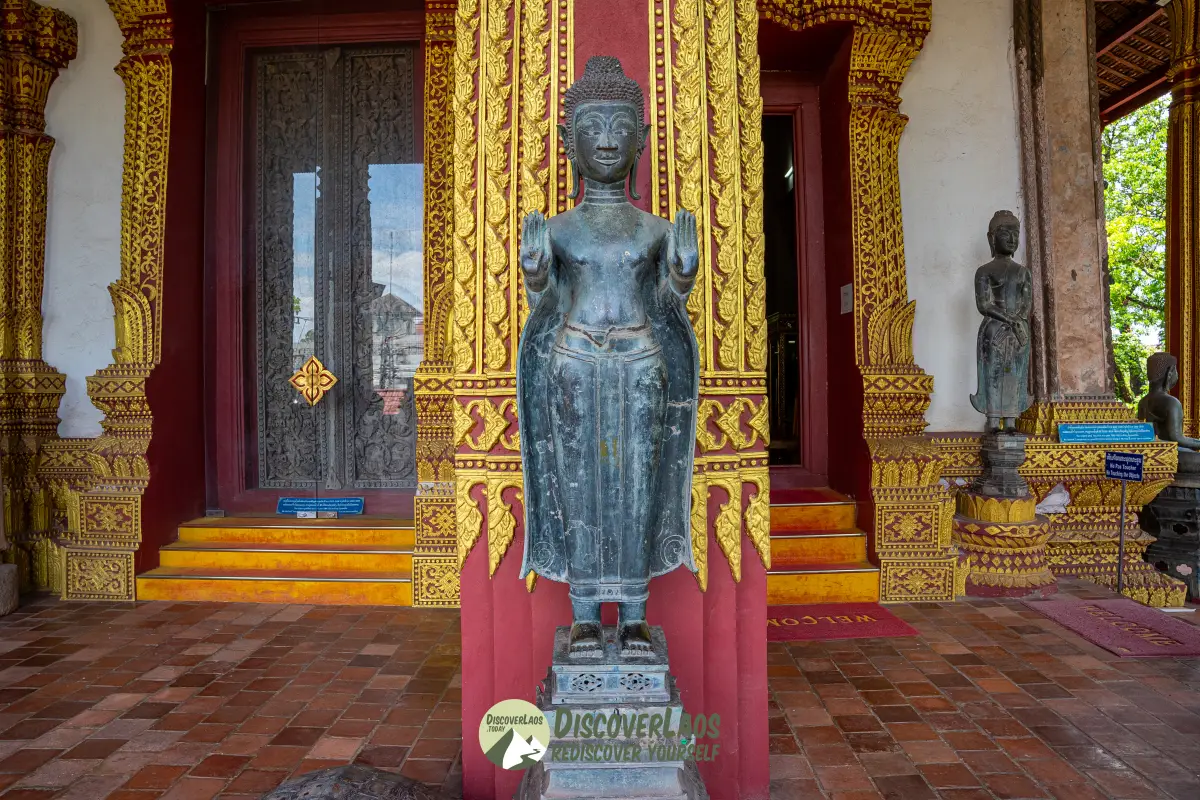
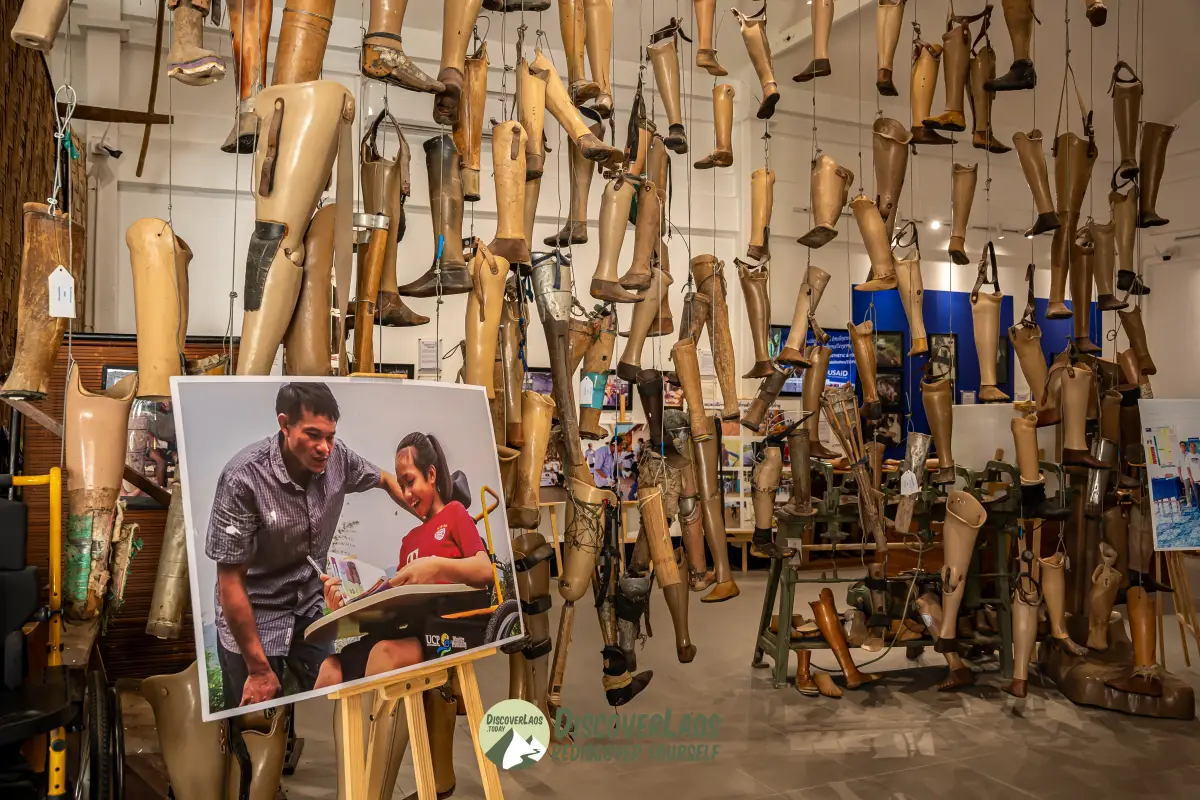
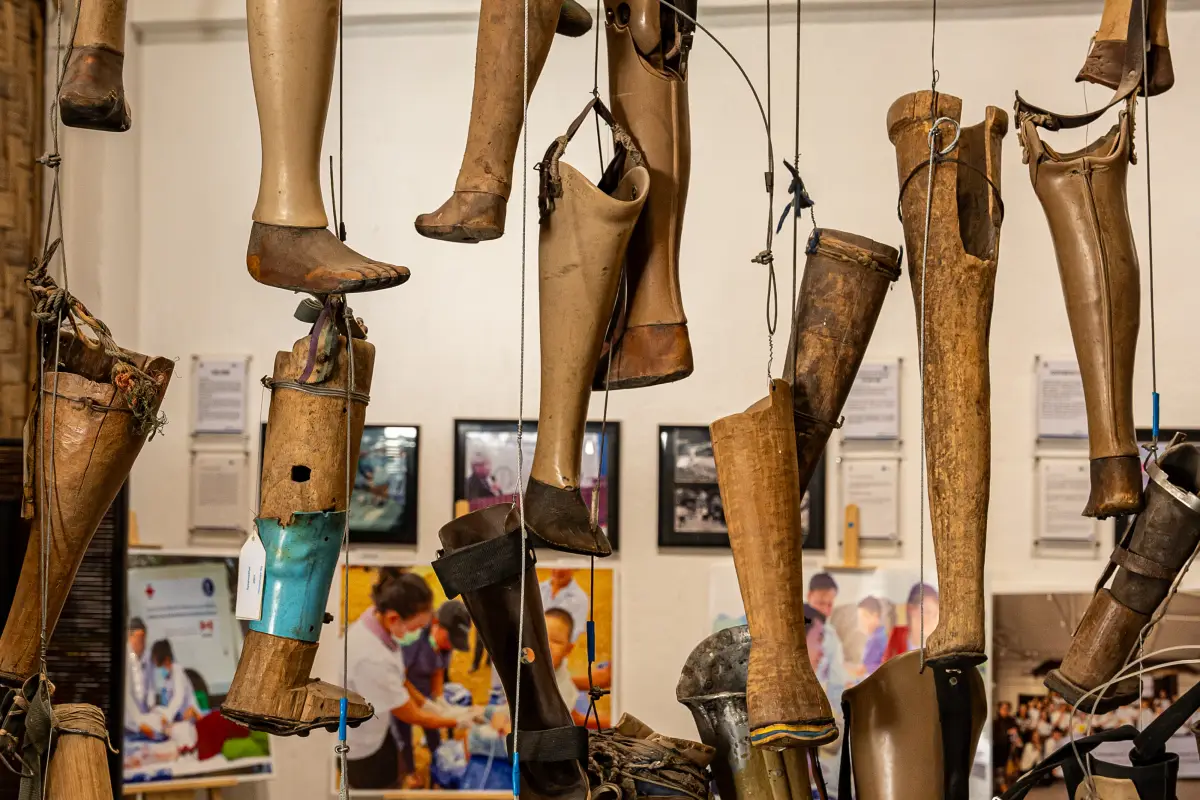
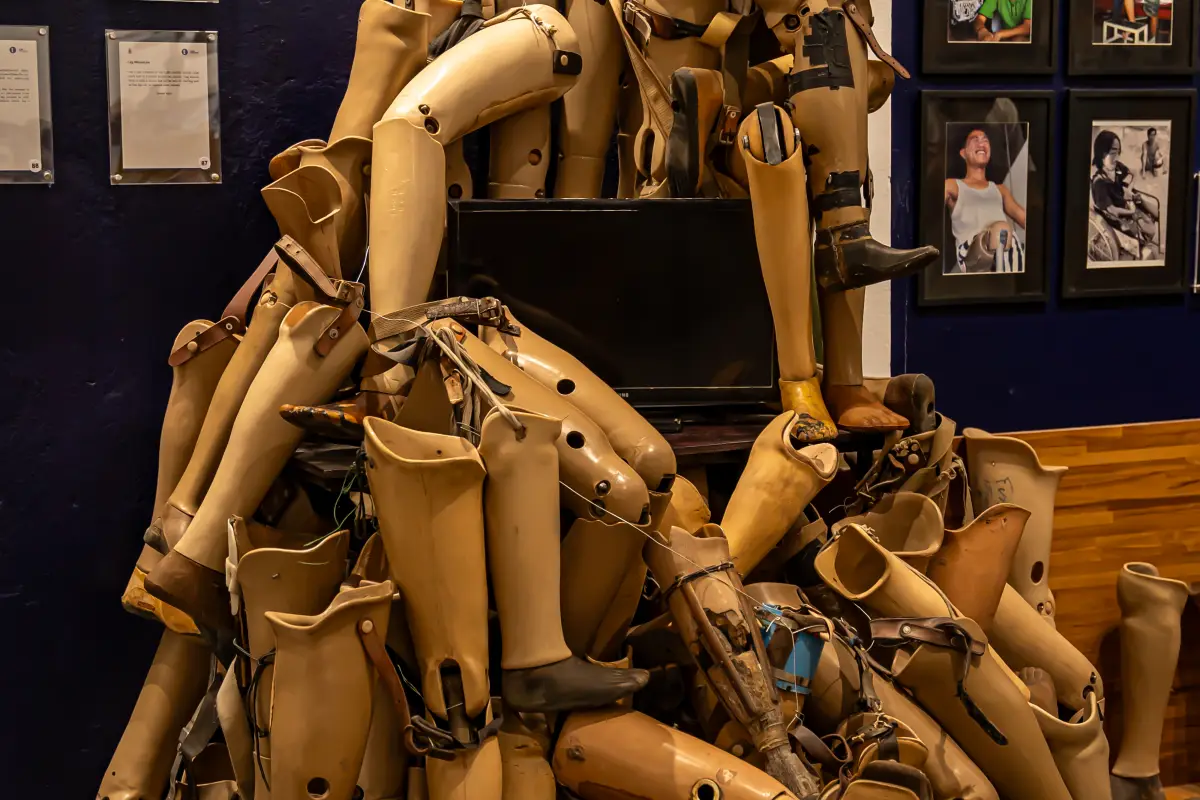
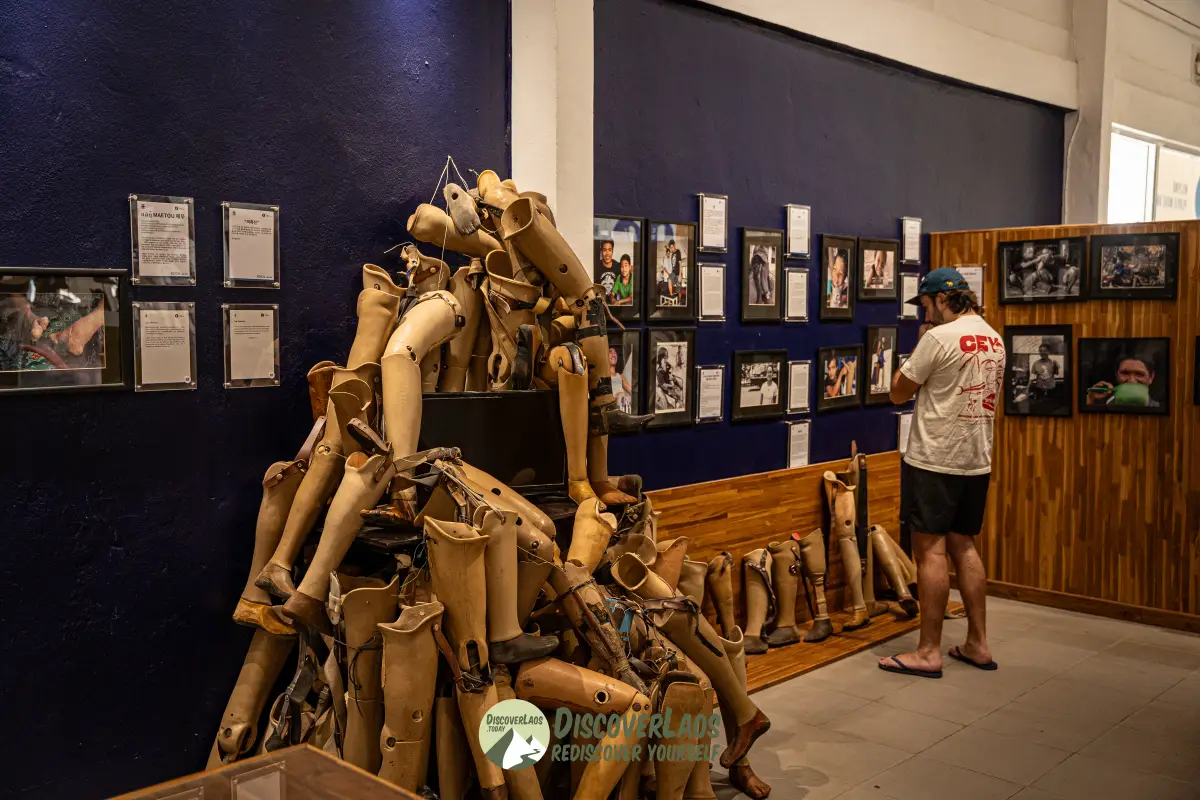
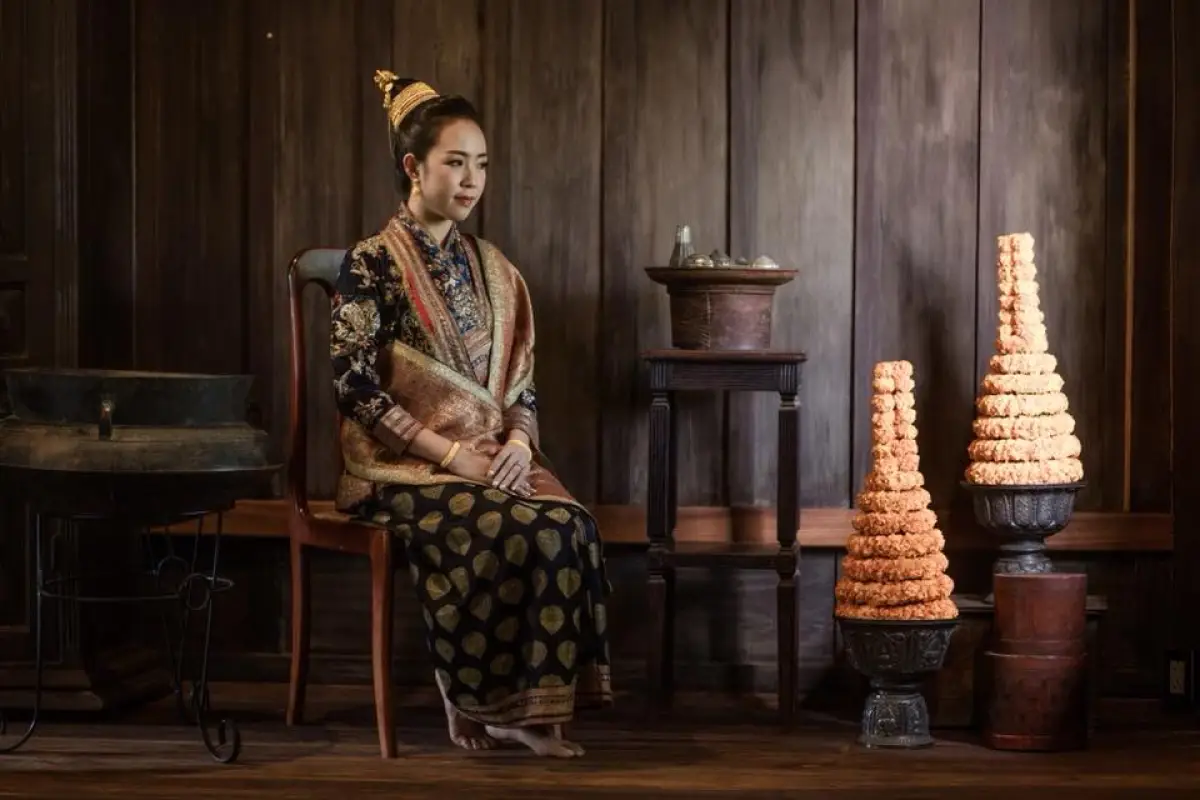
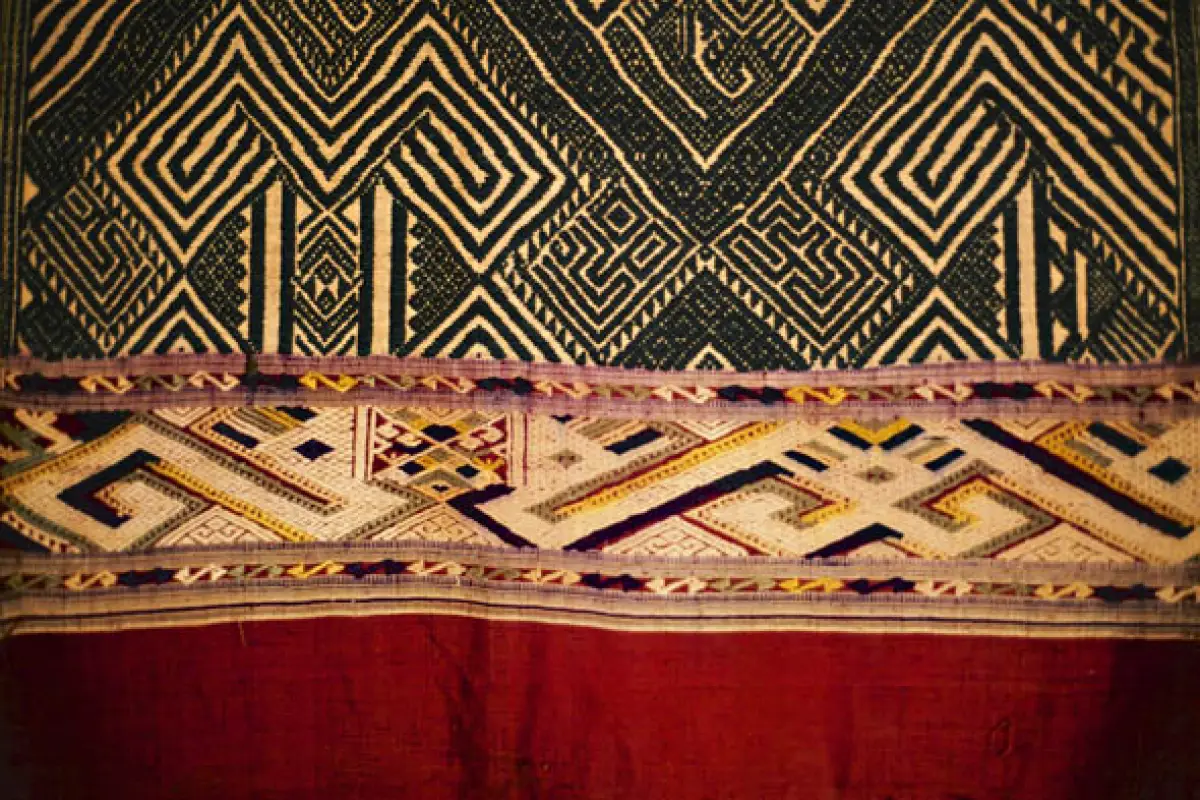
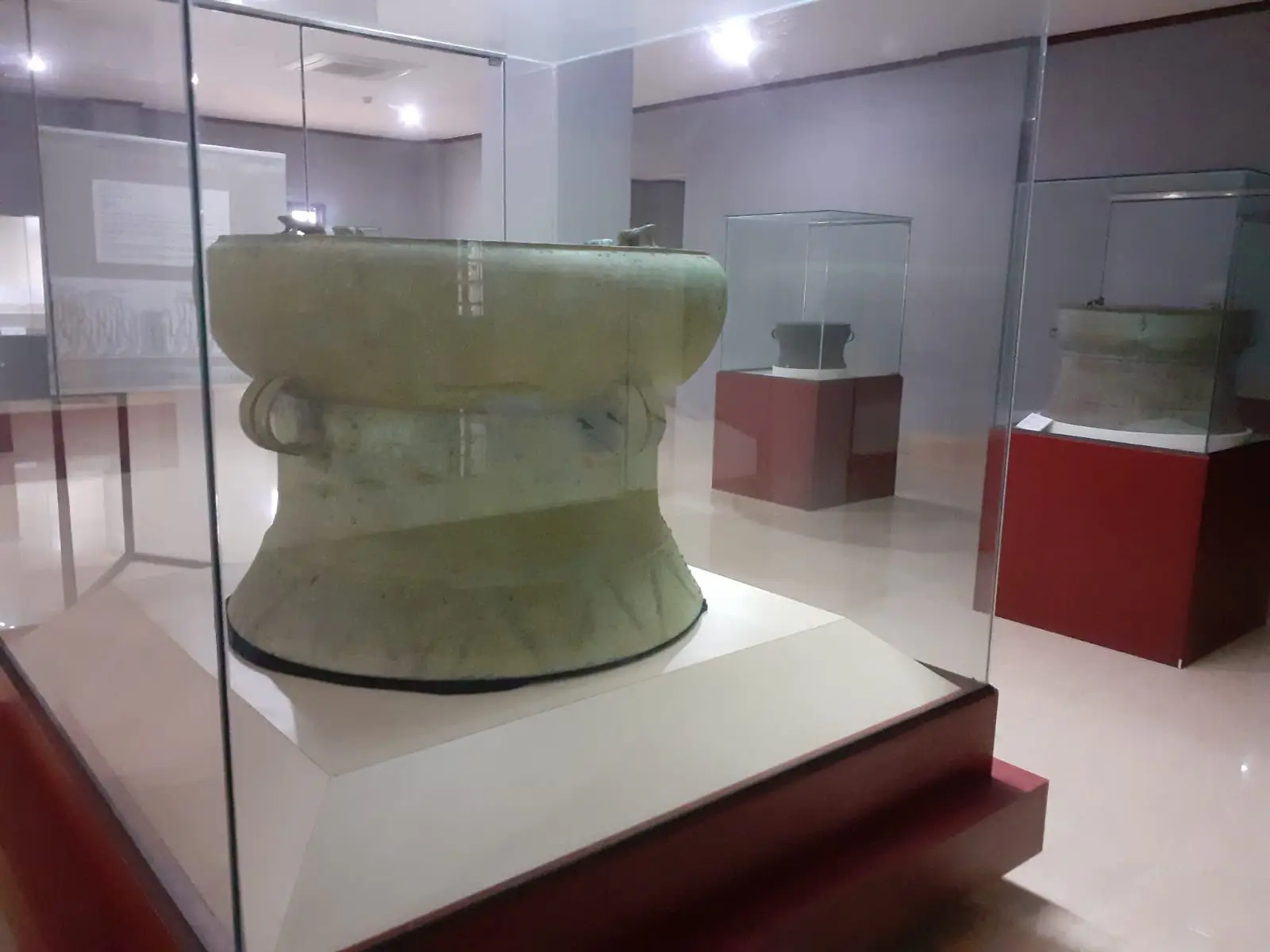
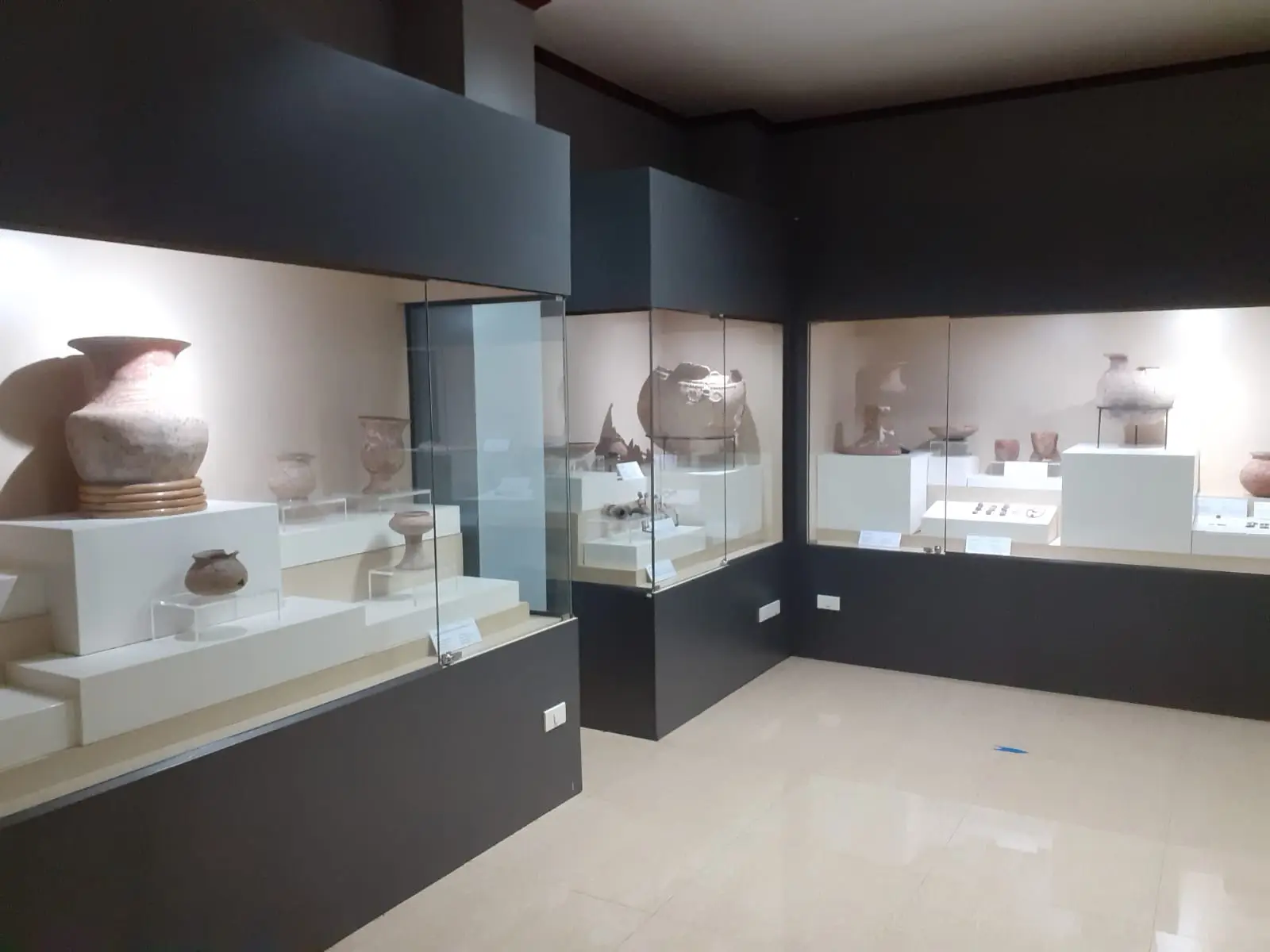
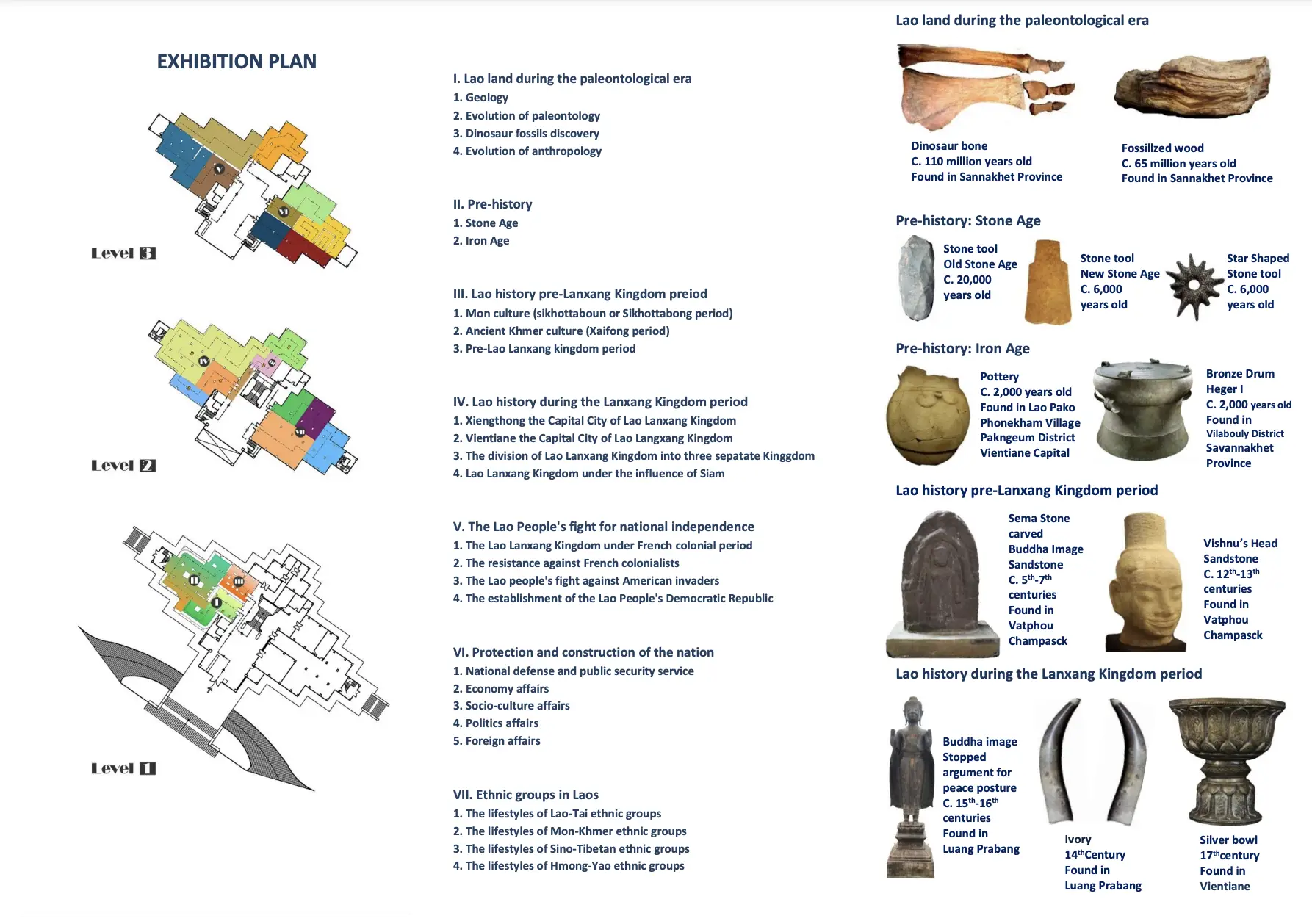
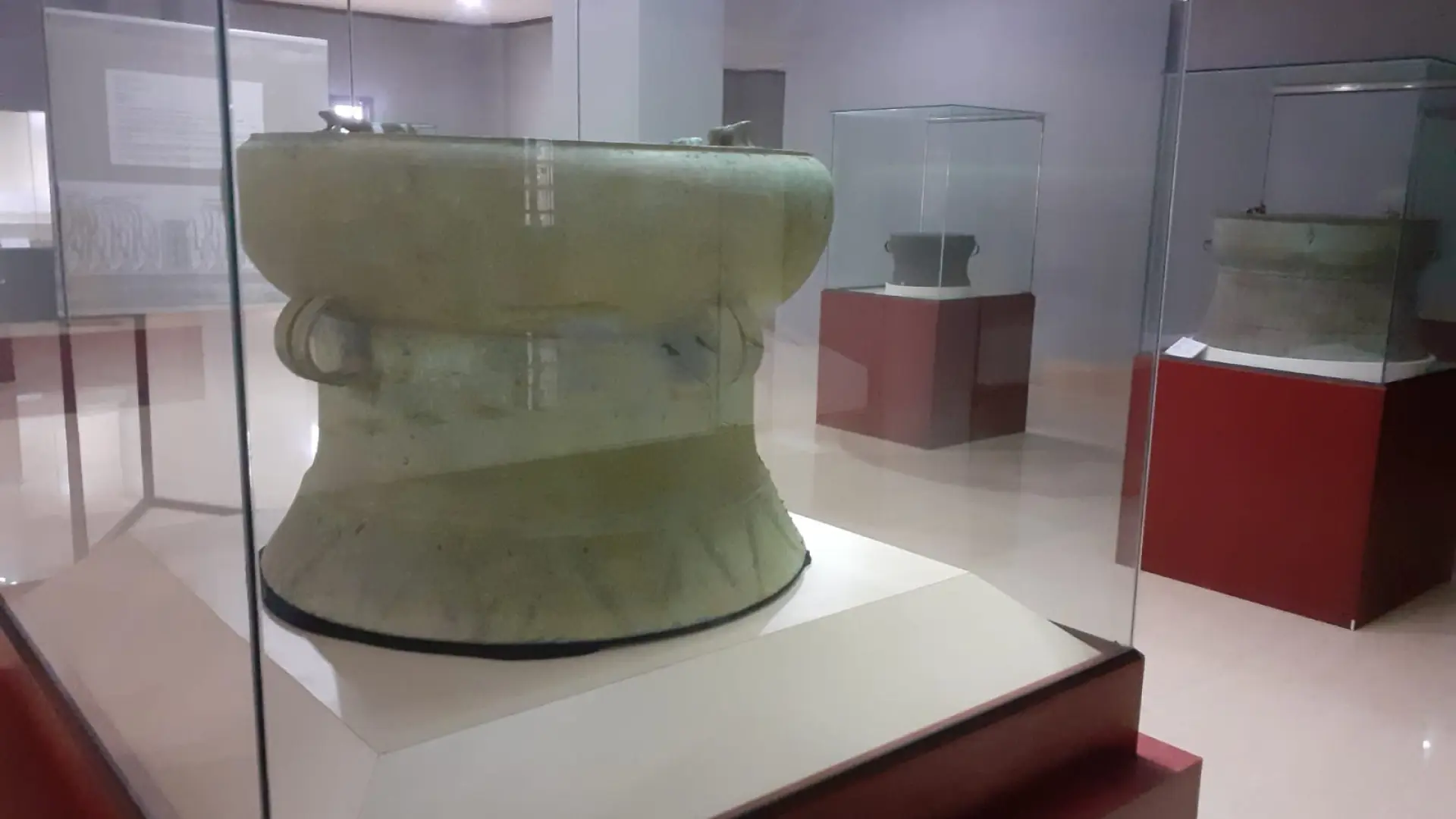
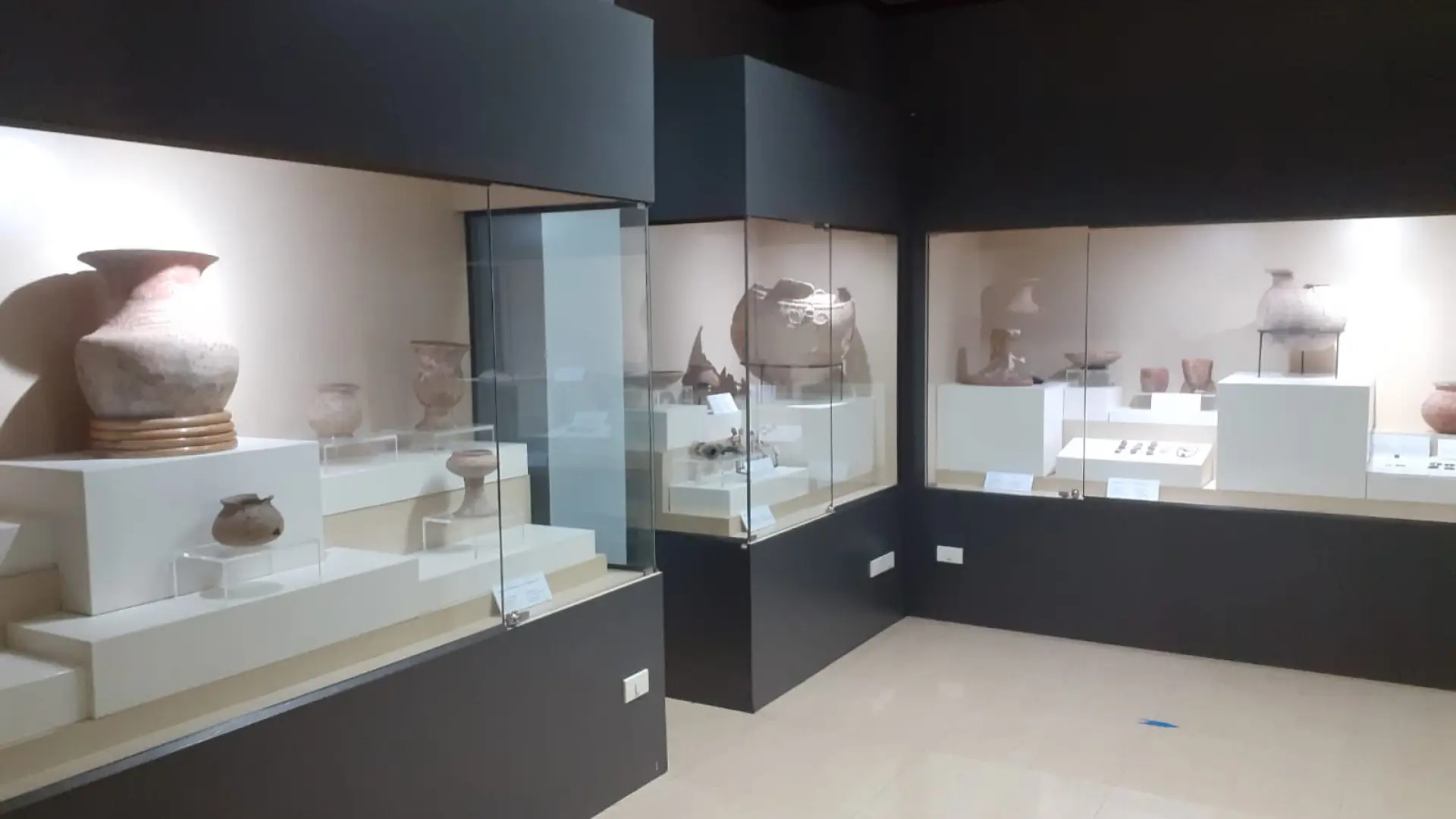
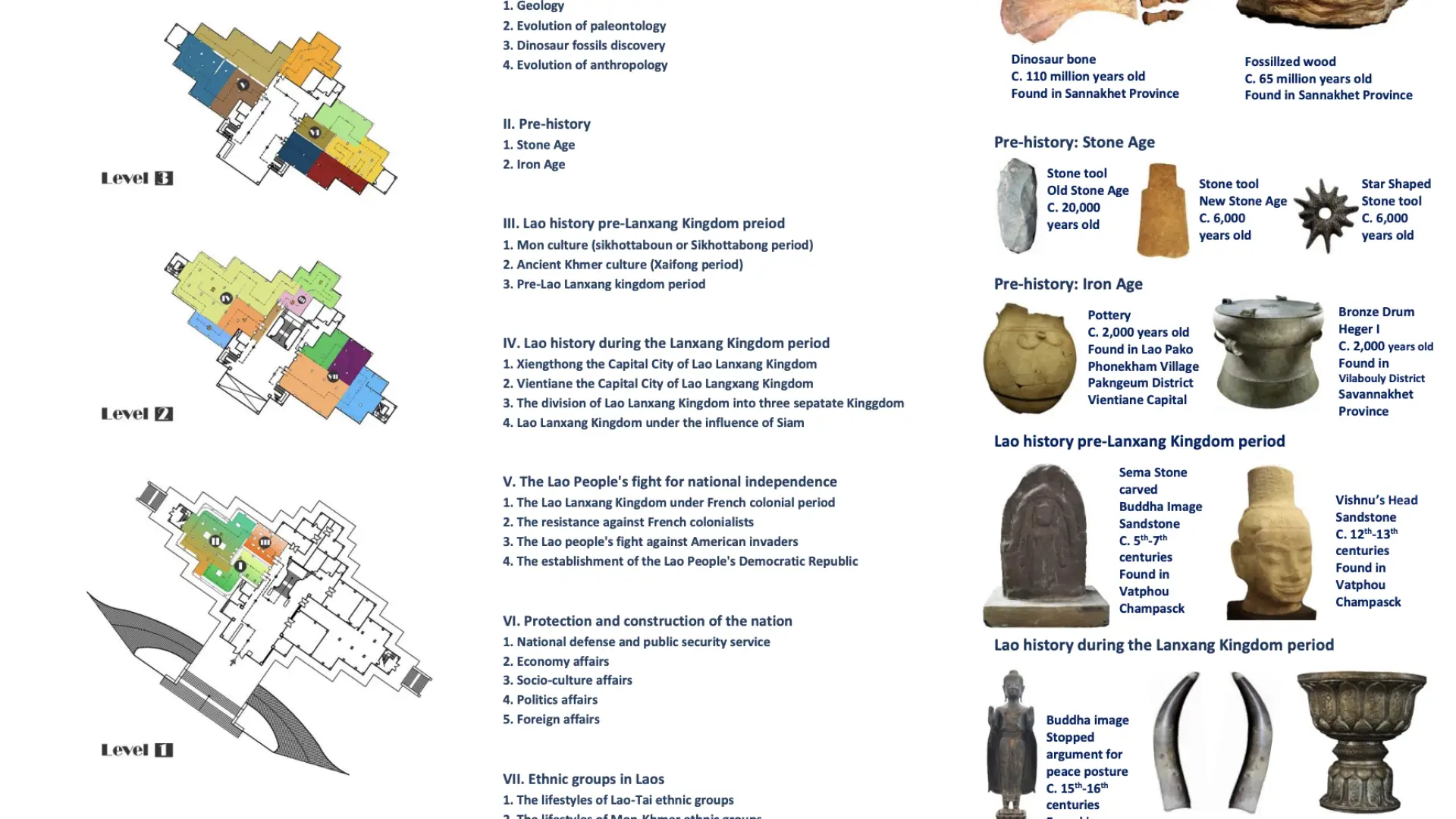
Today, the museum serves as a major center for education and cultural preservation. Its extensive collections display the historical and cultural heritage of Laos from prehistoric times to the present day. Visitors can explore archaeological discoveries, ancient tools, pottery, bronze artifacts, religious sculptures, traditional costumes, handicrafts, historical documents, royal objects, and exhibits representing the diverse ethnic groups of Laos.
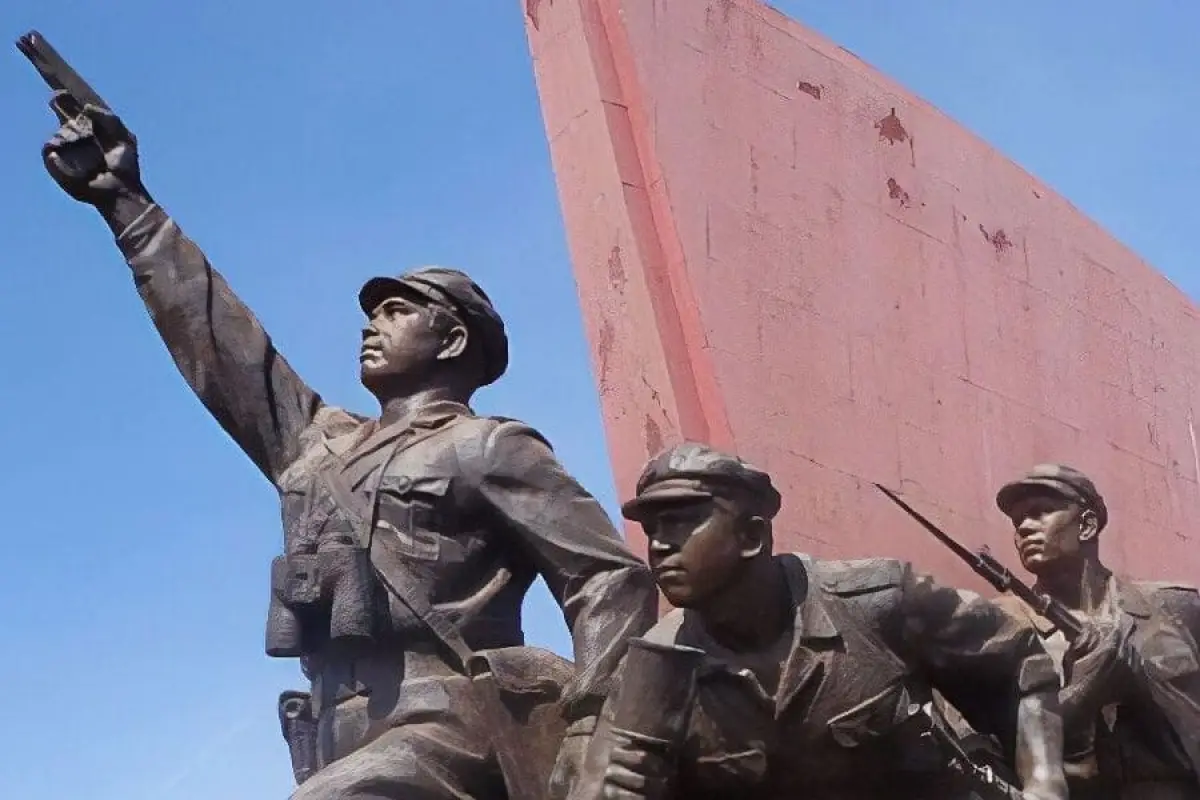
One of the museum's most significant sections focuses on the history of the Lan Xang Kingdom, known as the "Kingdom of a Million Elephants," which played a crucial role in shaping Lao culture and national identity. Other galleries cover the French colonial period, the struggle for independence, the revolutionary movement, and the development of modern Laos.
The museum's vision is not only to safeguard the nation's cultural treasures but also to serve as an educational resource for students, researchers, Lao citizens, and international visitors. Through its exhibitions and research programs, it provides valuable insights into the country's history, traditions, and cultural diversity.
For travelers seeking a deeper understanding of Laos beyond its temples and landscapes, the Lao National Museum is an essential destination and one of the country's most important cultural institutions.
Opening Hours
- Tuesday – Sunday:
- 08:00 AM – 12:00 PM
- 01:00 PM – 04:00 PM
- Closed on Mondays and public holidays.
Highlights
- National museum of Laos.
- Originally established in 1980.
- Located in a modern museum complex since 2017.
- Formerly housed in the historic French Governor's Residence.
- Showcases Lao history from prehistoric times to the present.
- Extensive collections of archaeological and cultural artifacts.
- Exhibits on the Lan Xang Kingdom and independence movement.
- Displays representing Laos' diverse ethnic groups.
- Important center for research and heritage conservation.
- Educational destination for students, researchers, and visitors.
Visitor Tips
- Allow 2–3 hours for a complete visit.
- Read exhibit descriptions for a deeper understanding of Lao history.
- Ideal for history enthusiasts, researchers, students, and cultural travelers.
- Combine your visit with other museums and cultural attractions in Vientiane.
- Visit in the morning for a quieter experience and cooler temperatures.