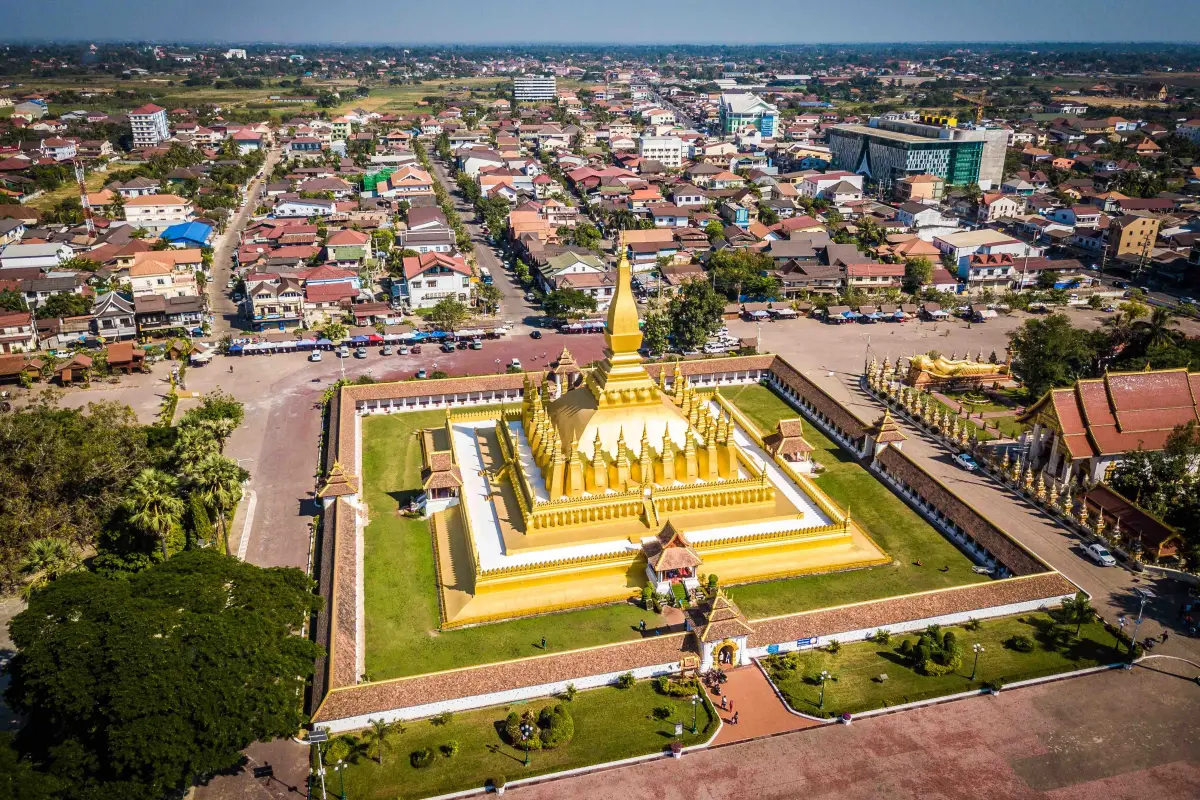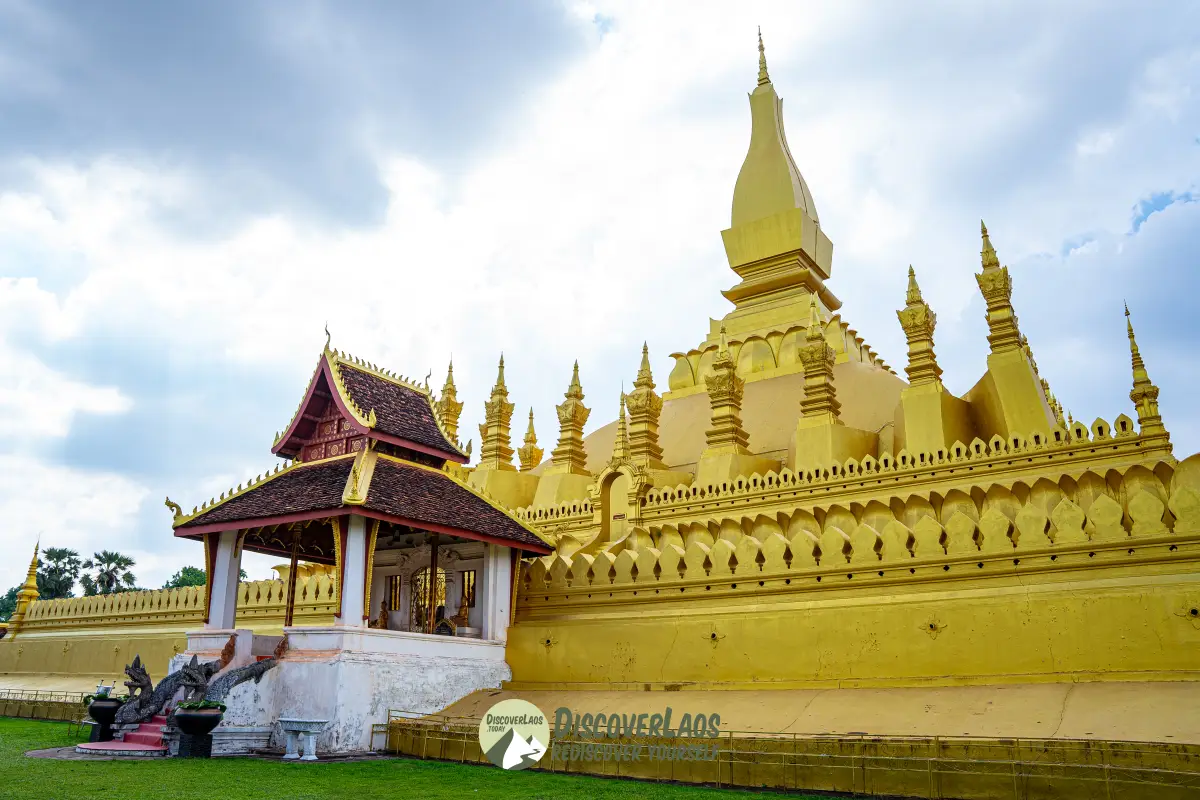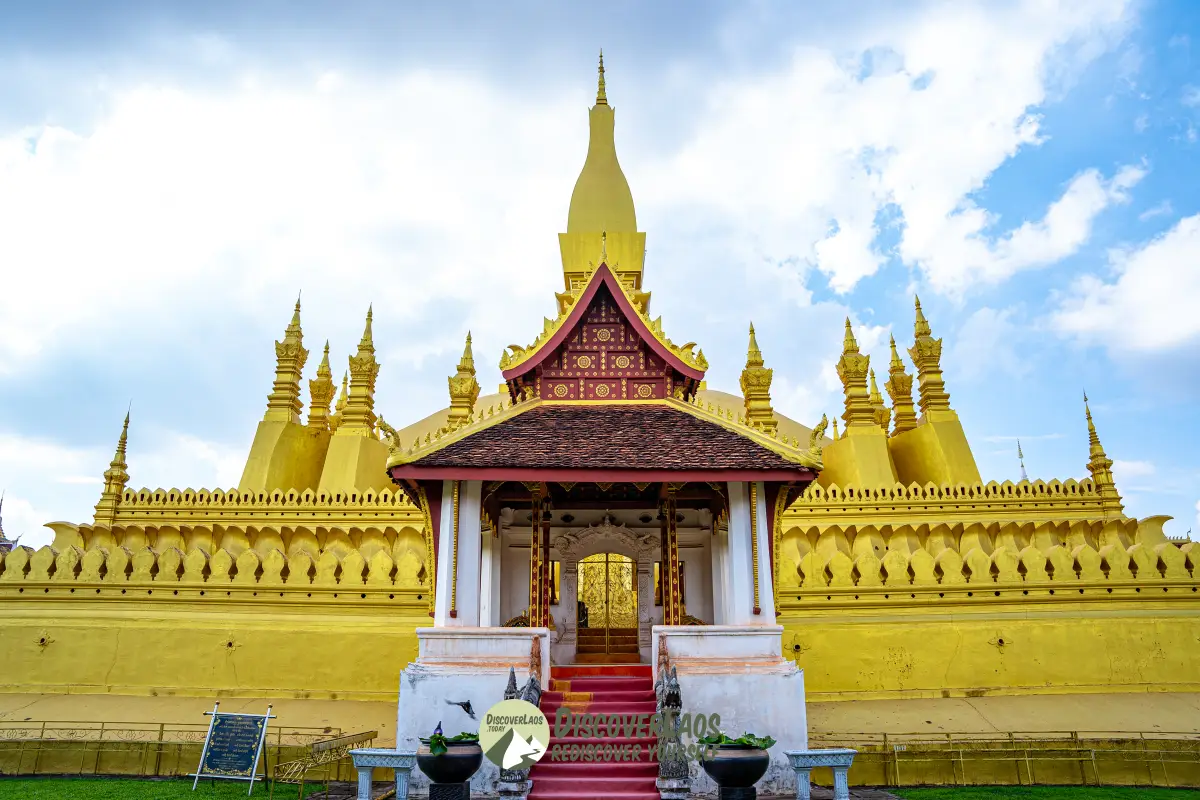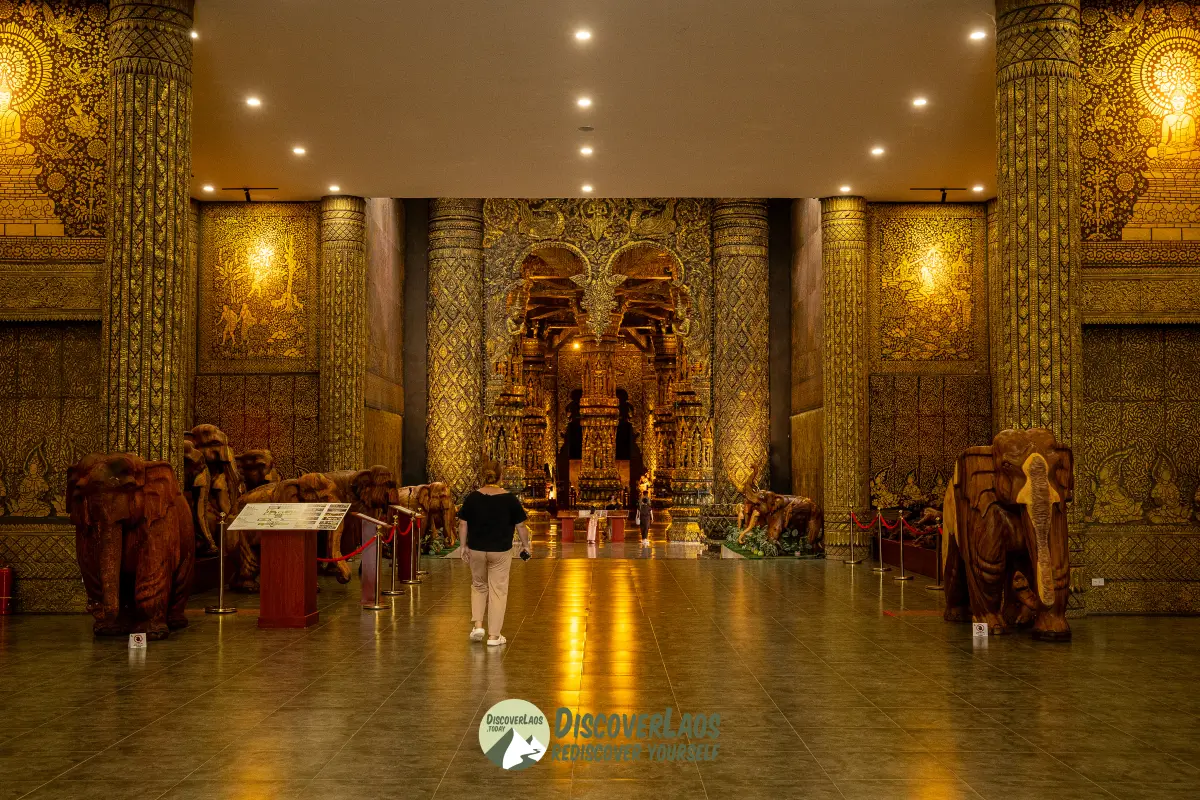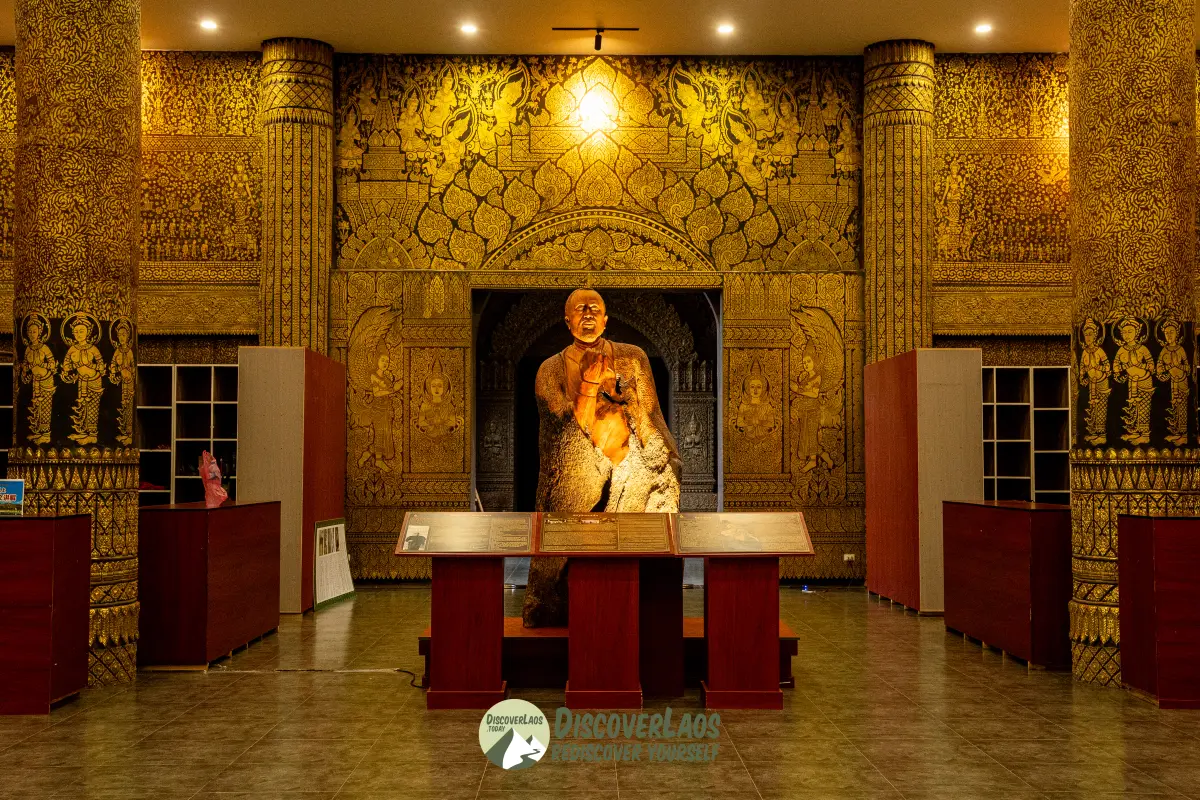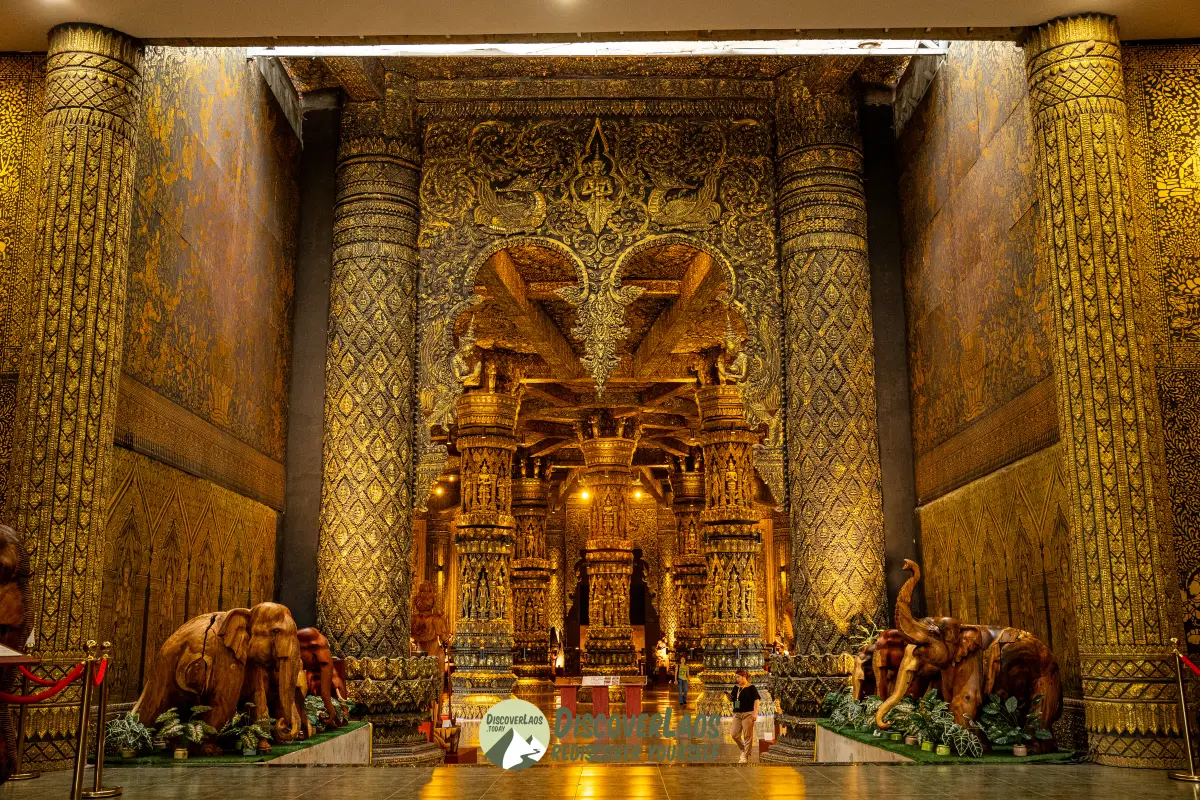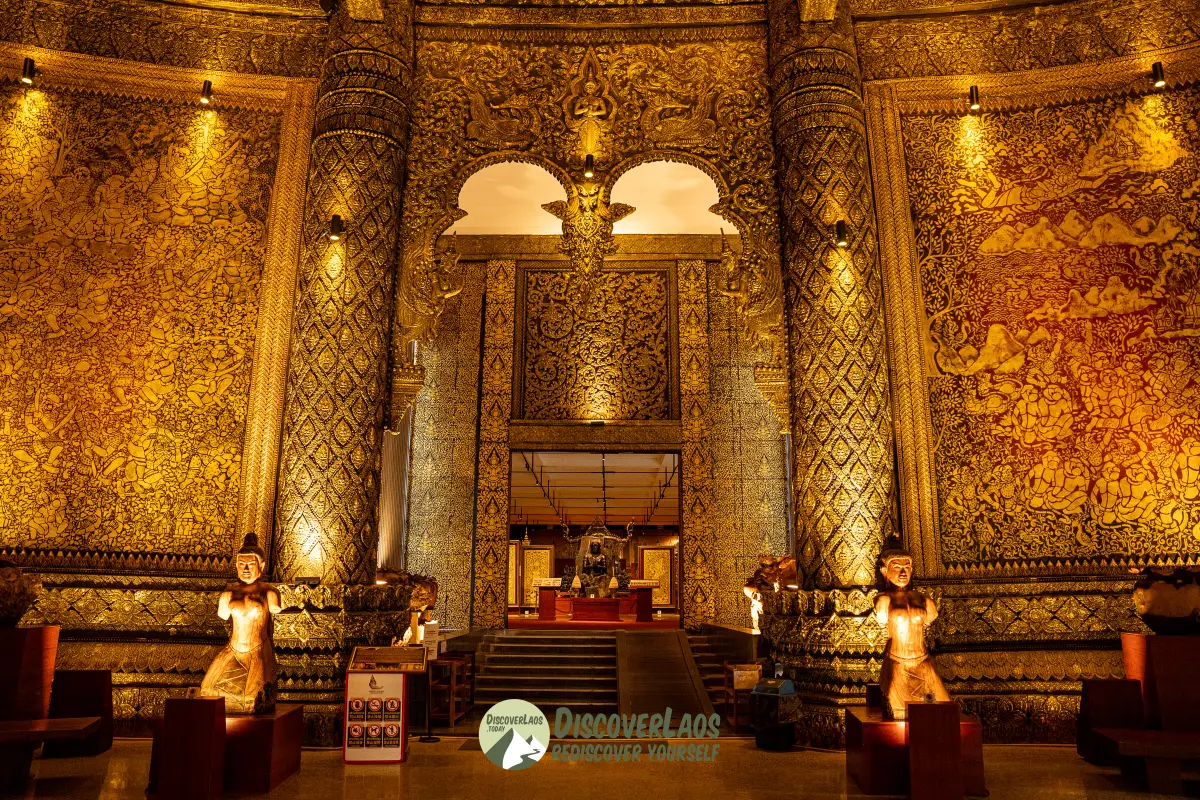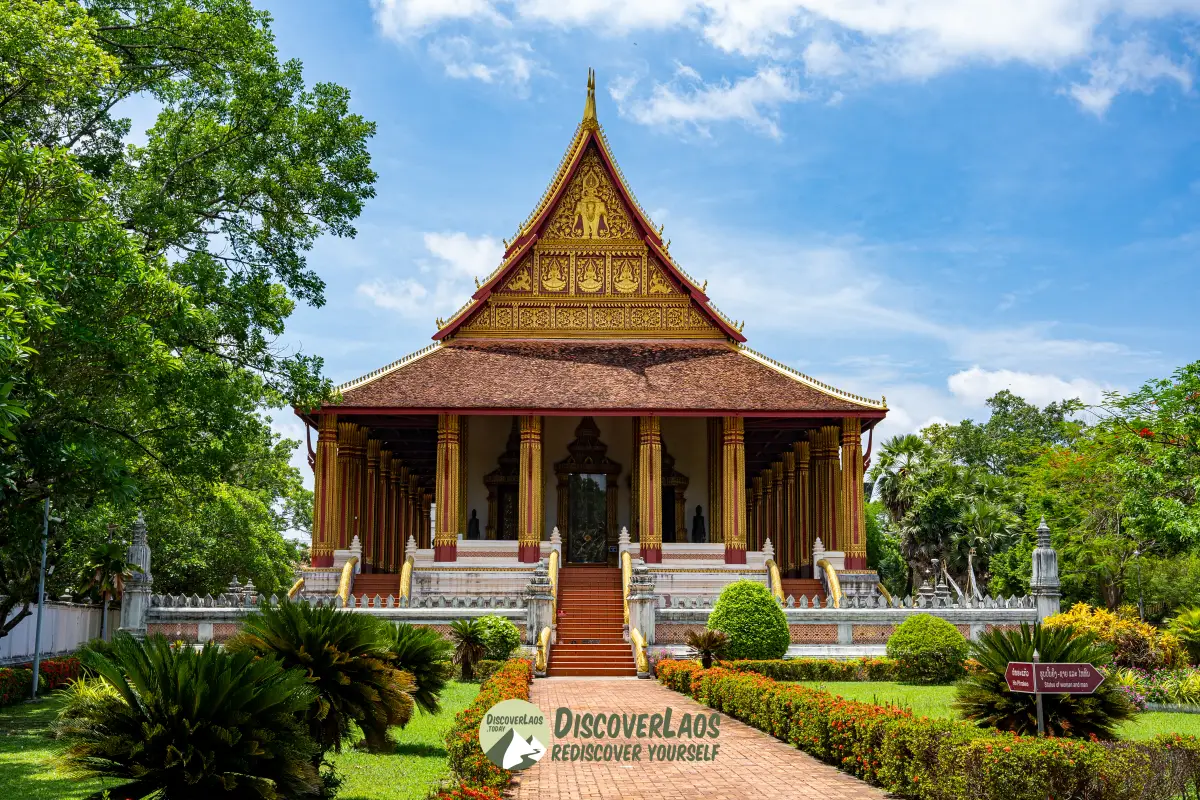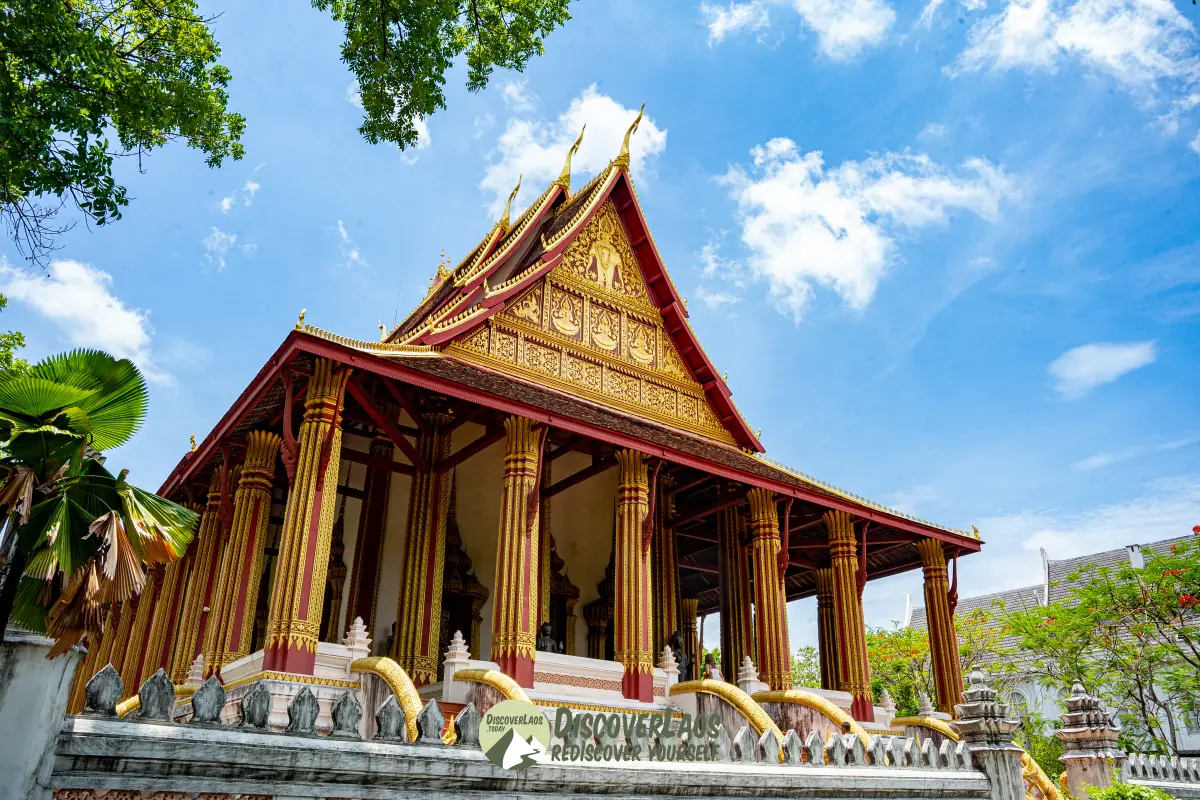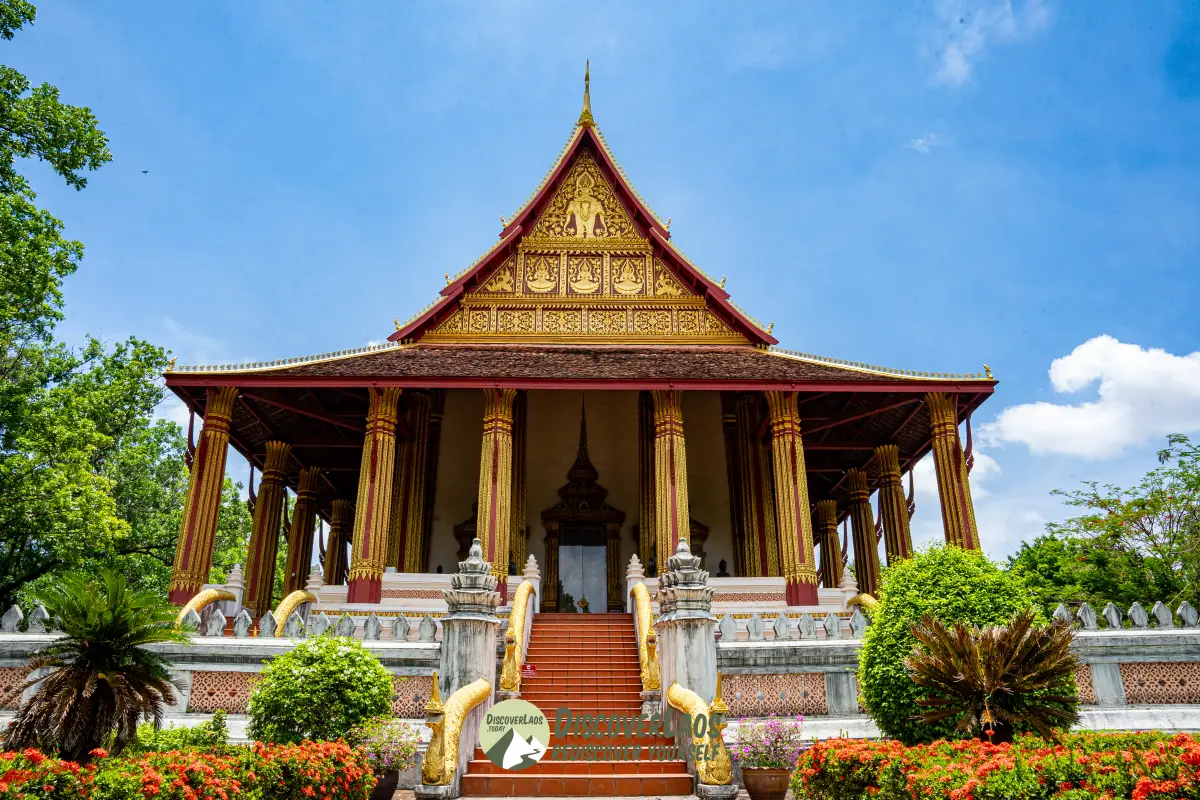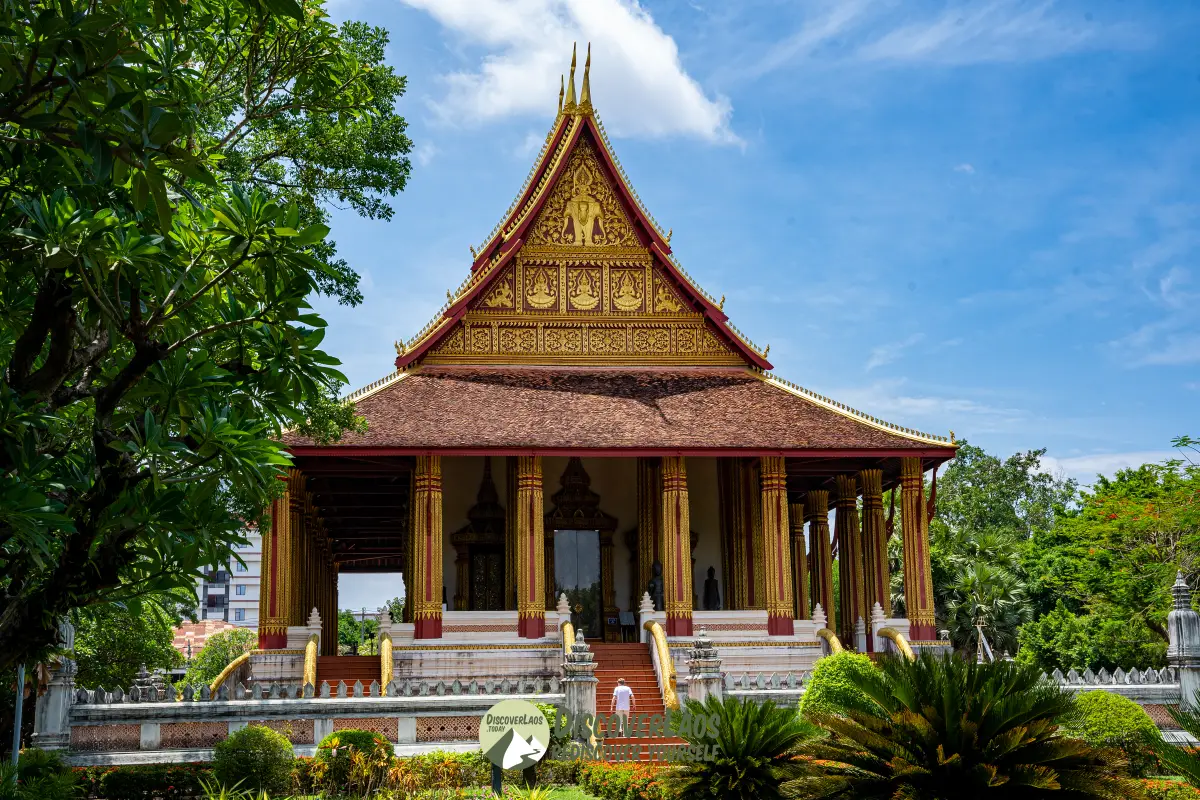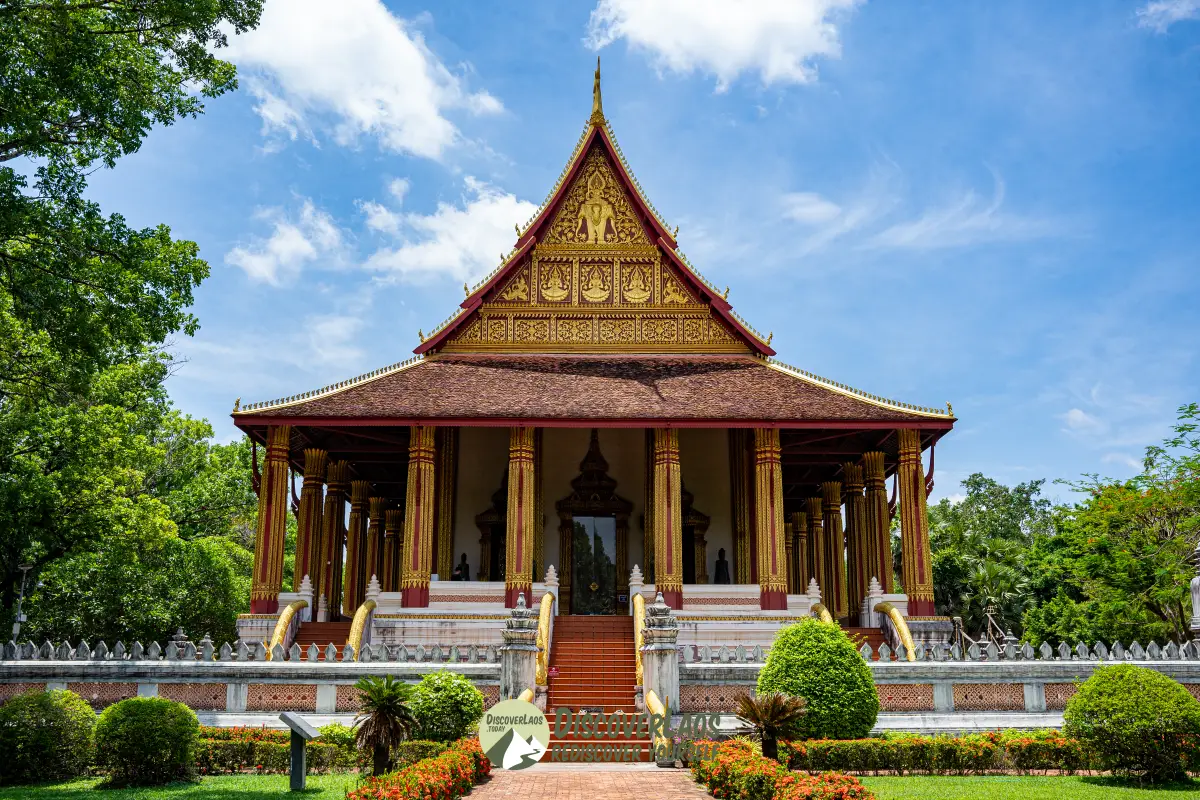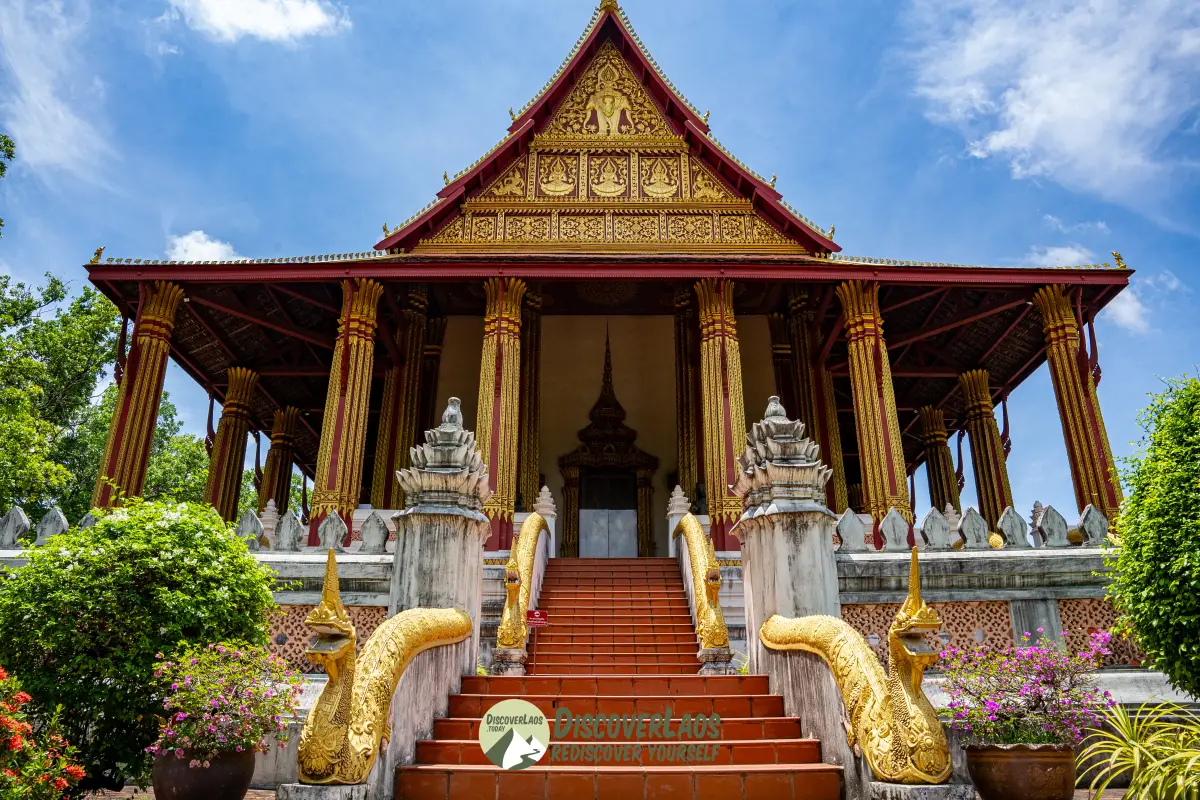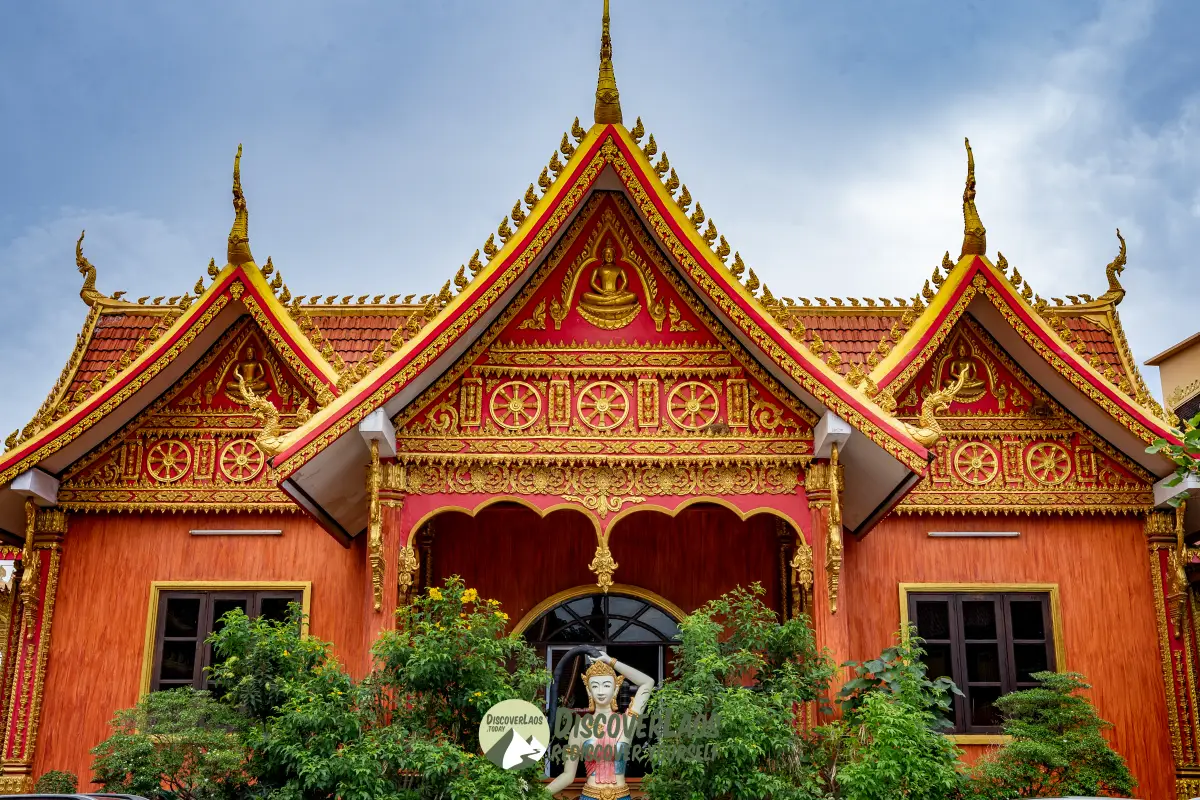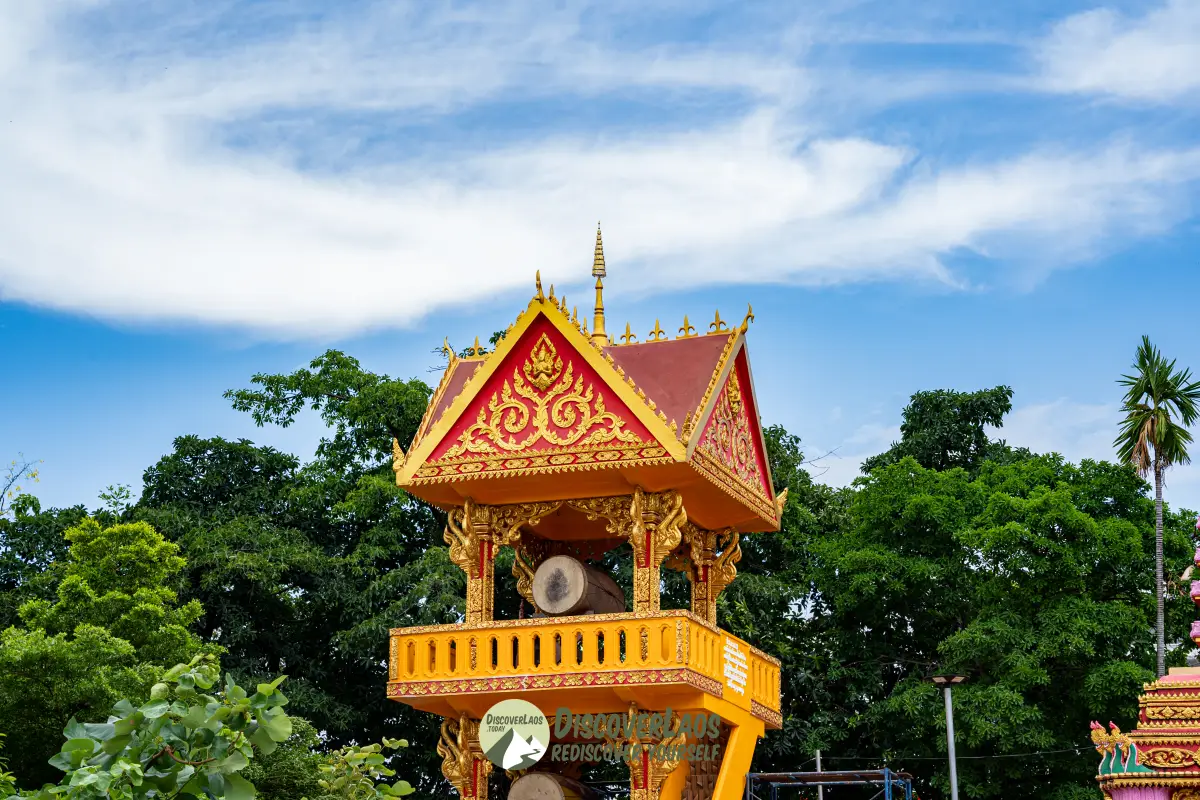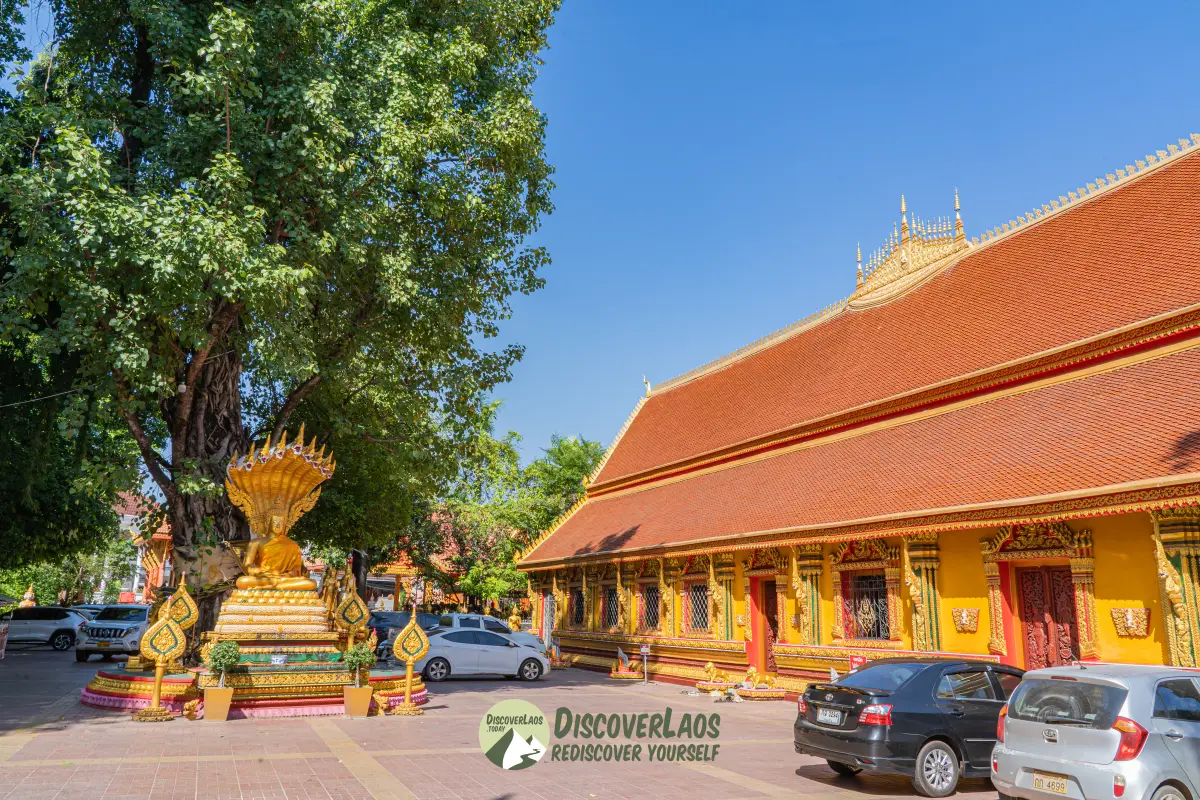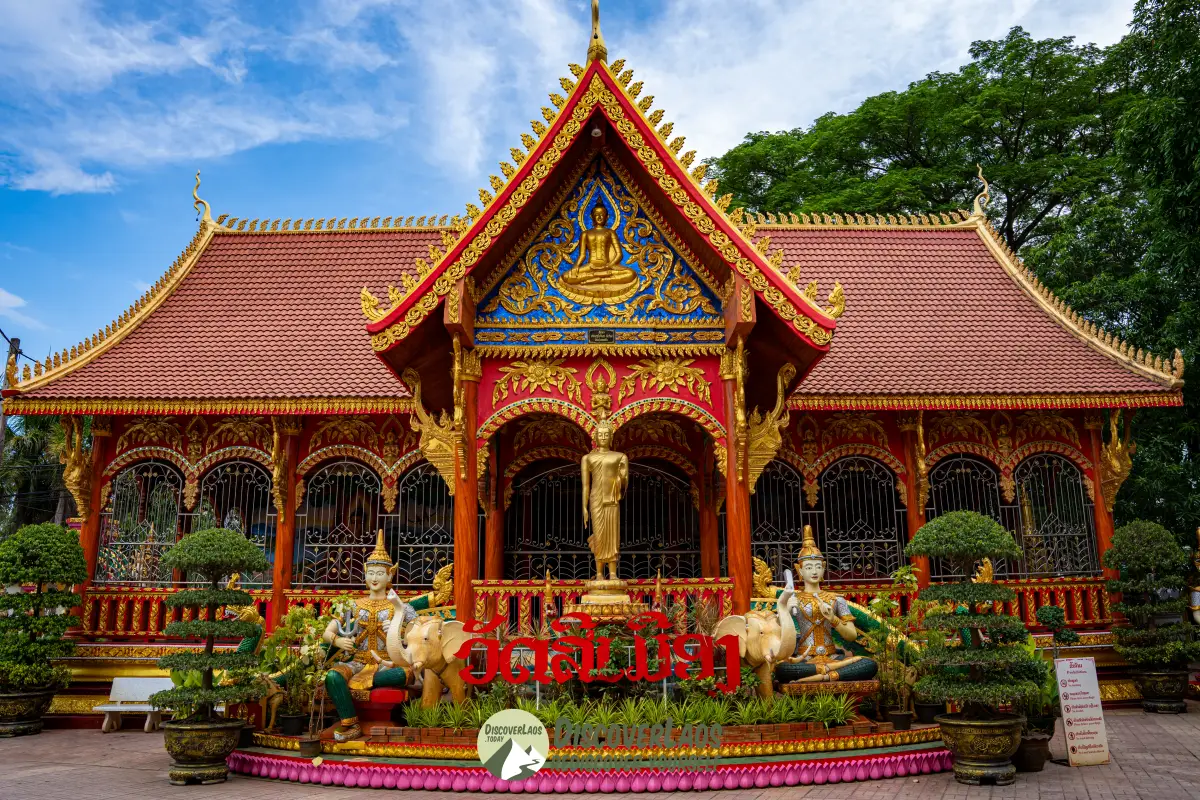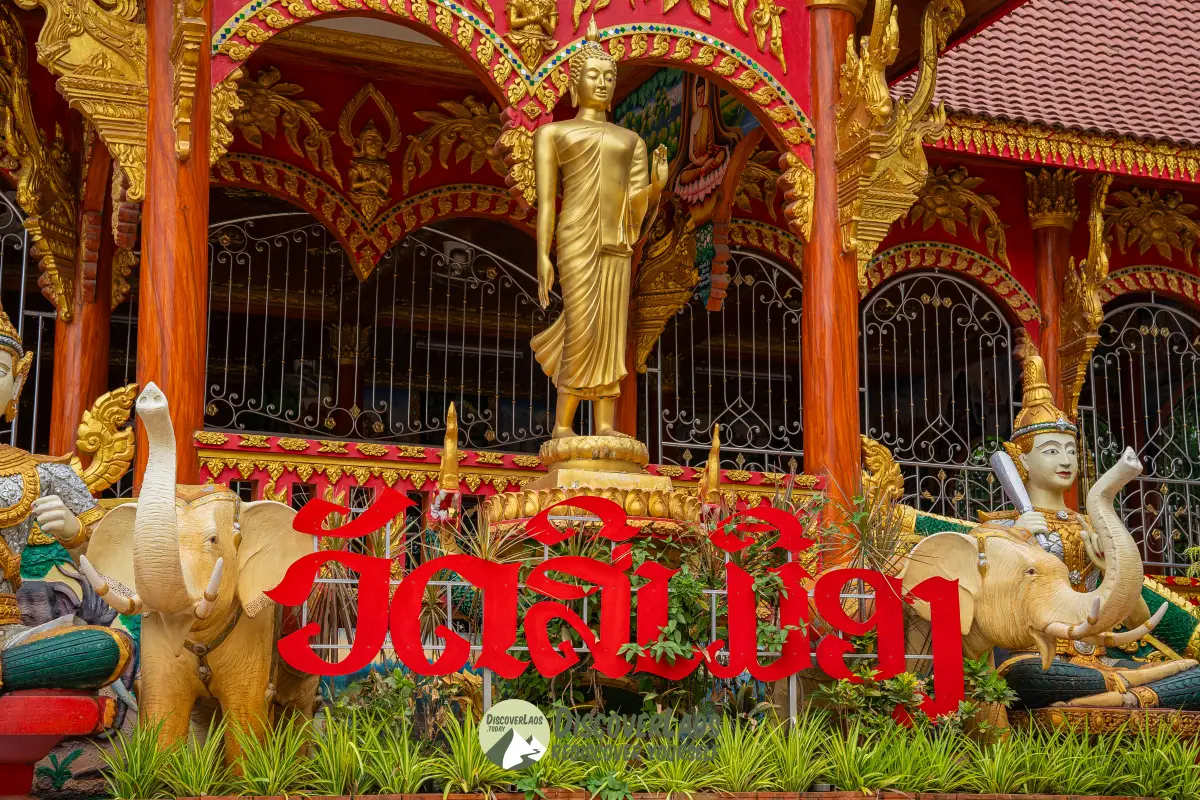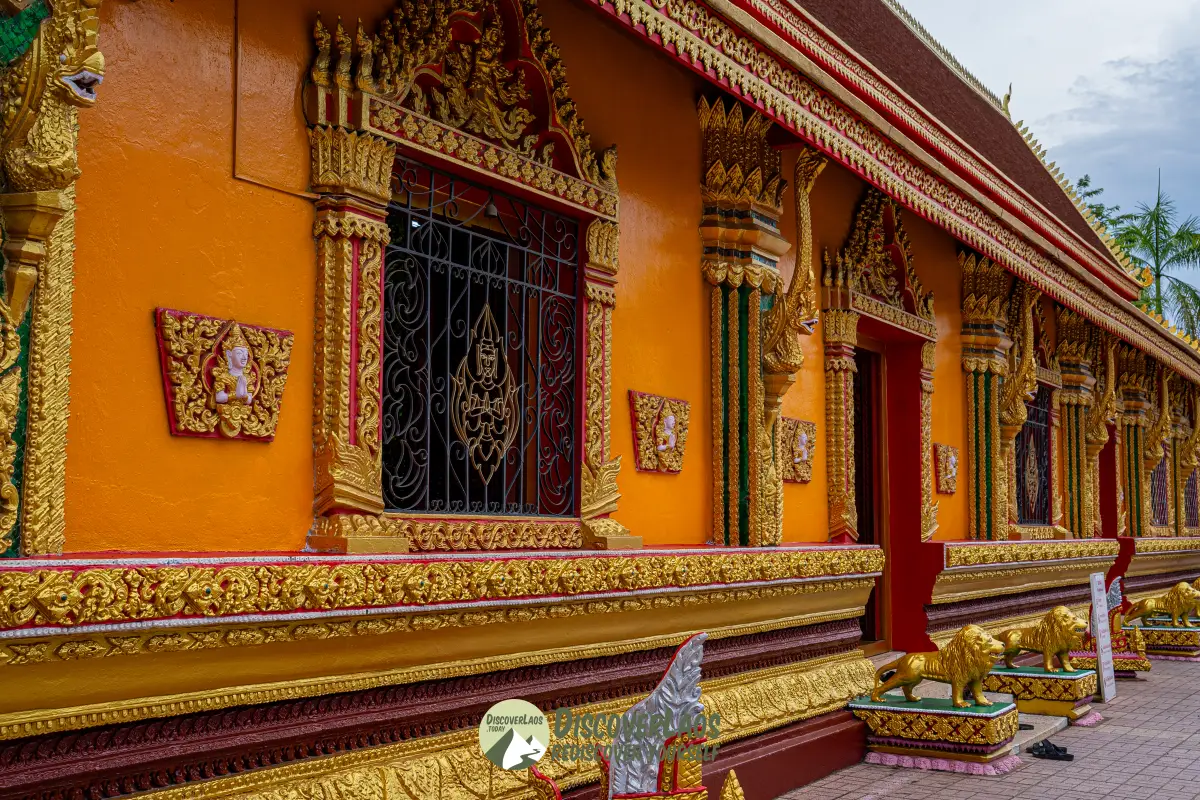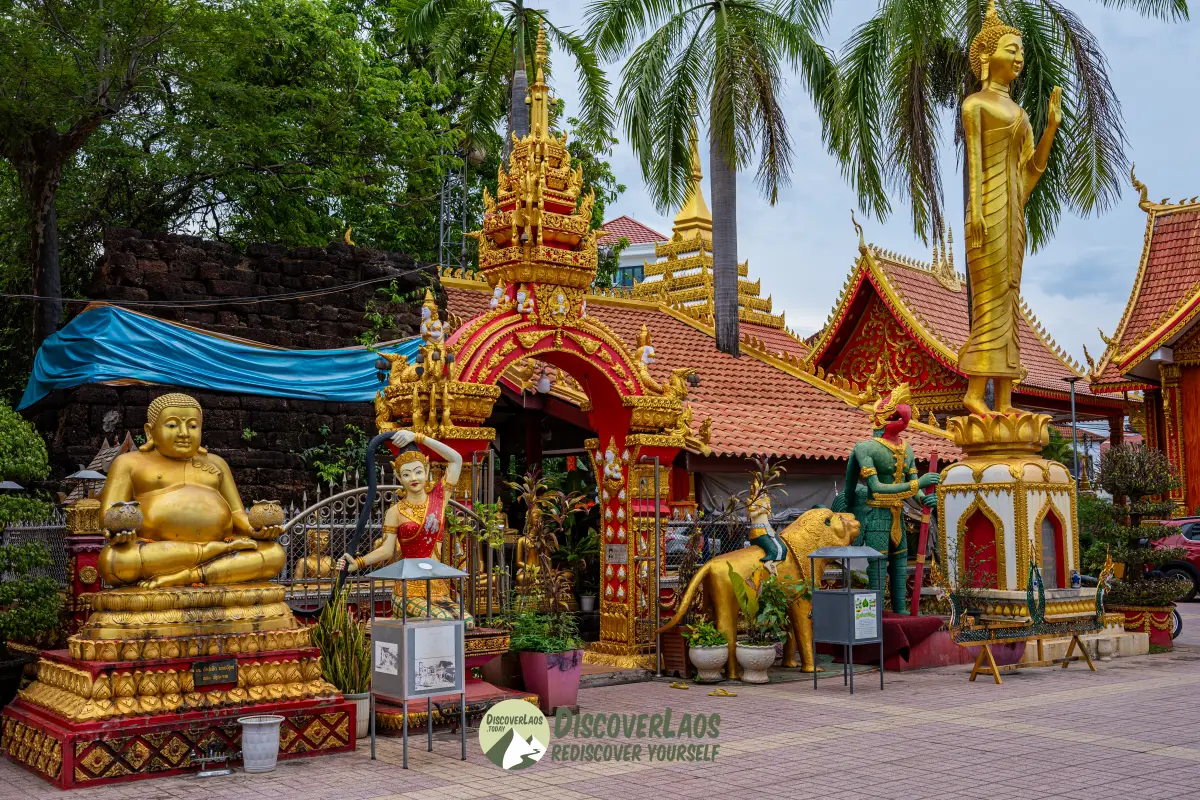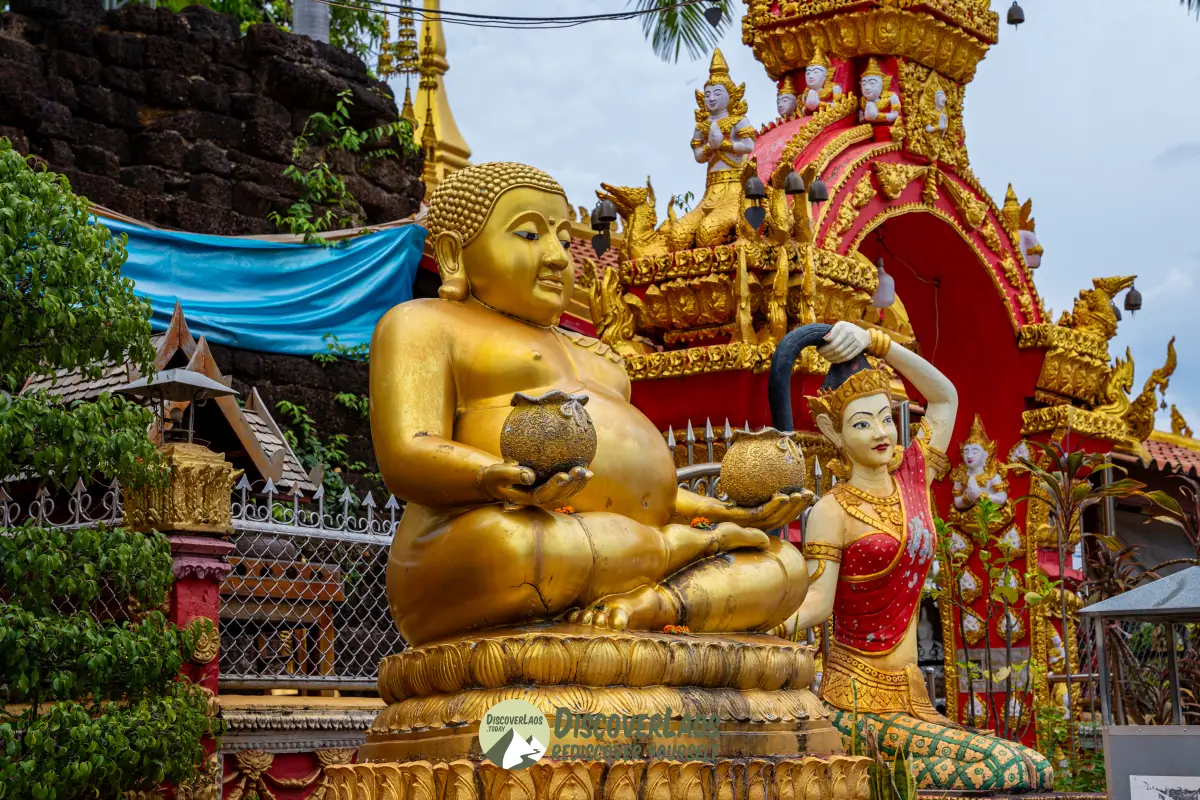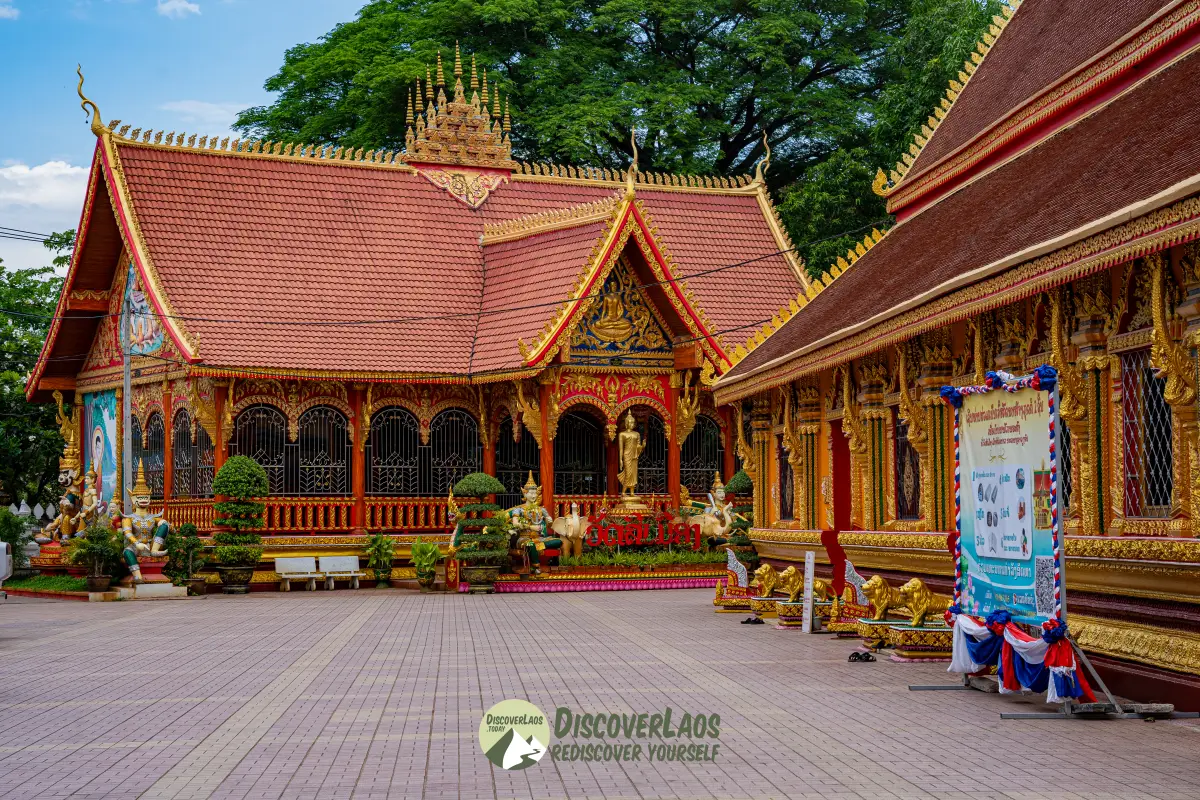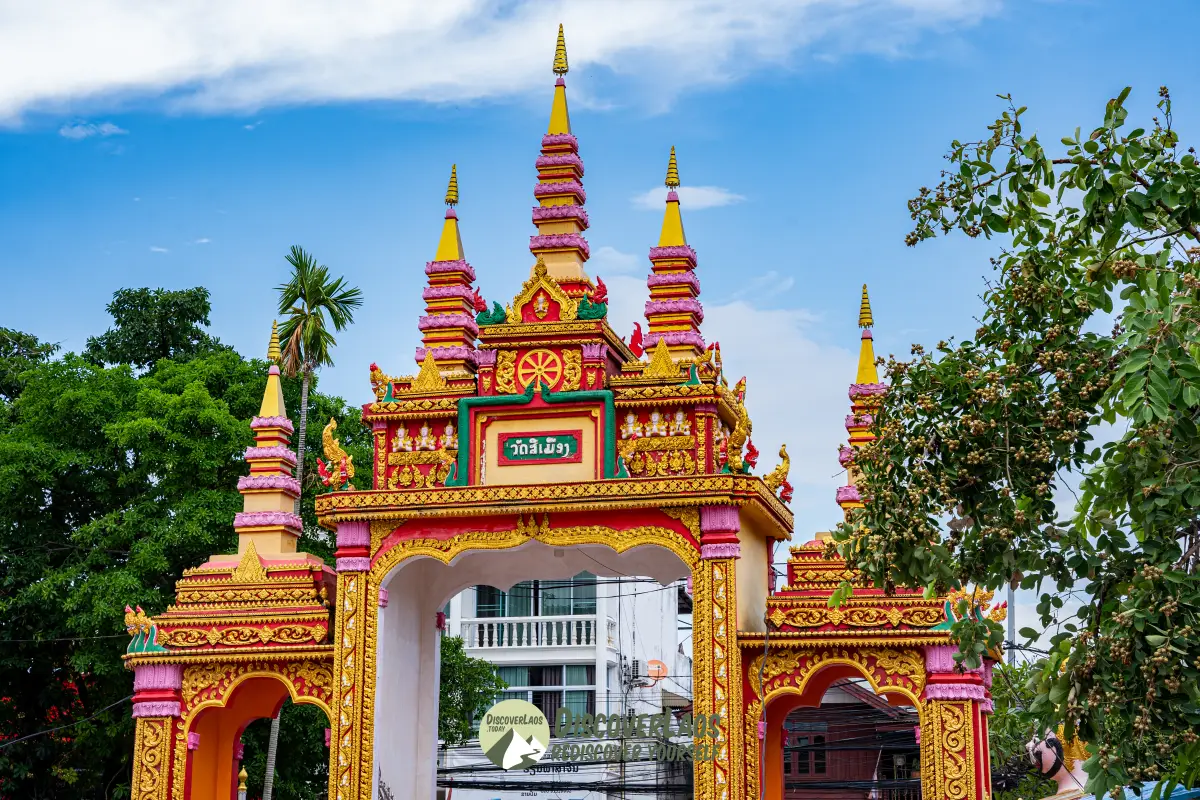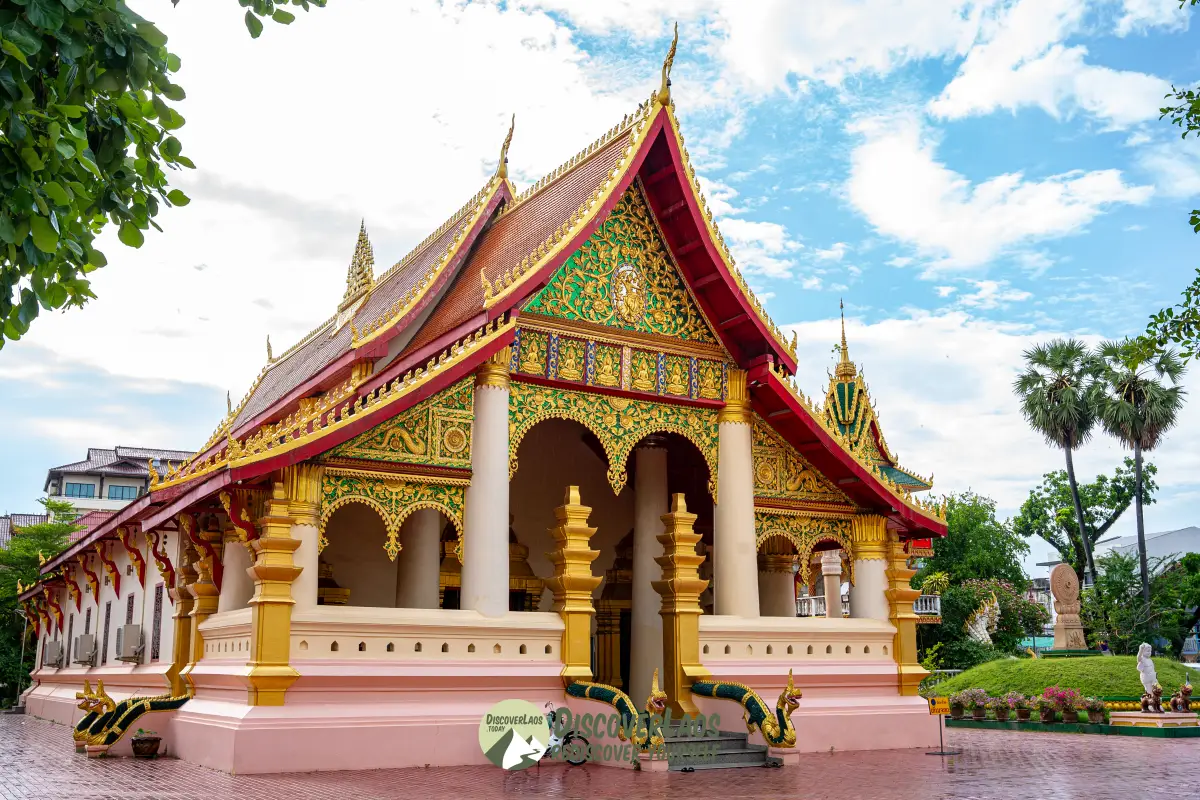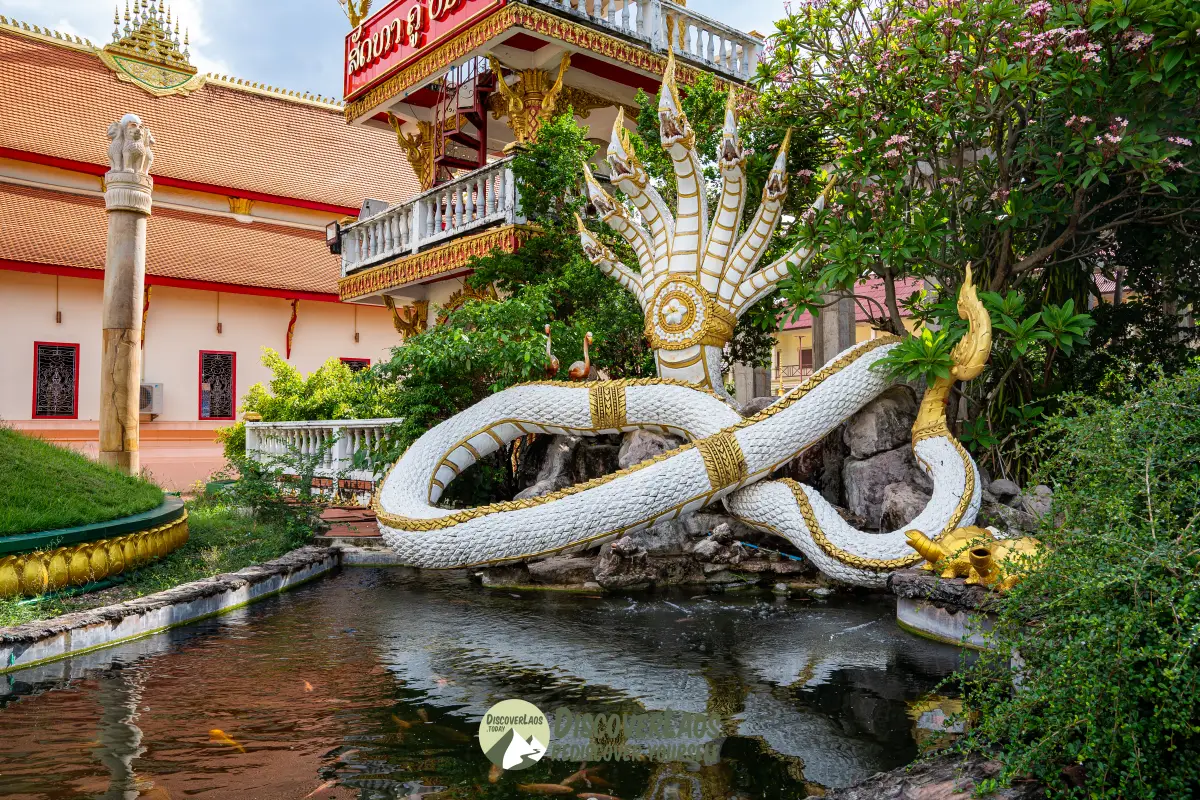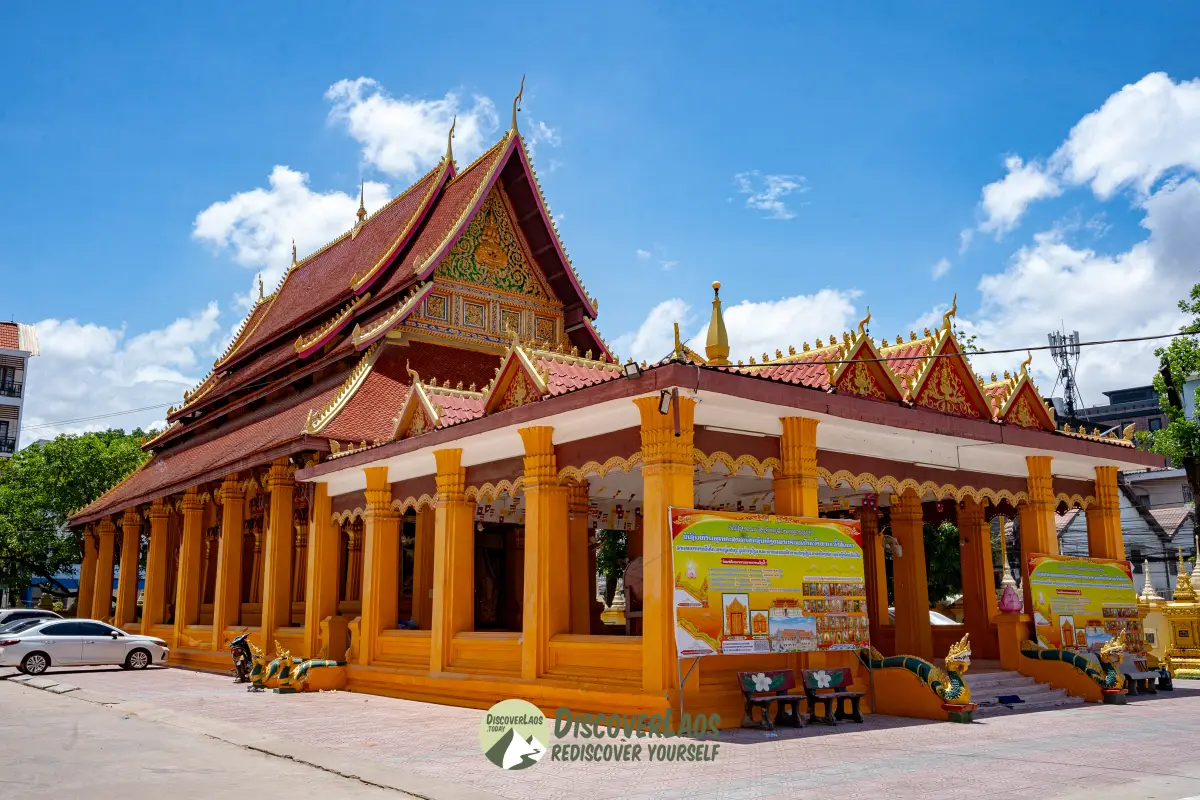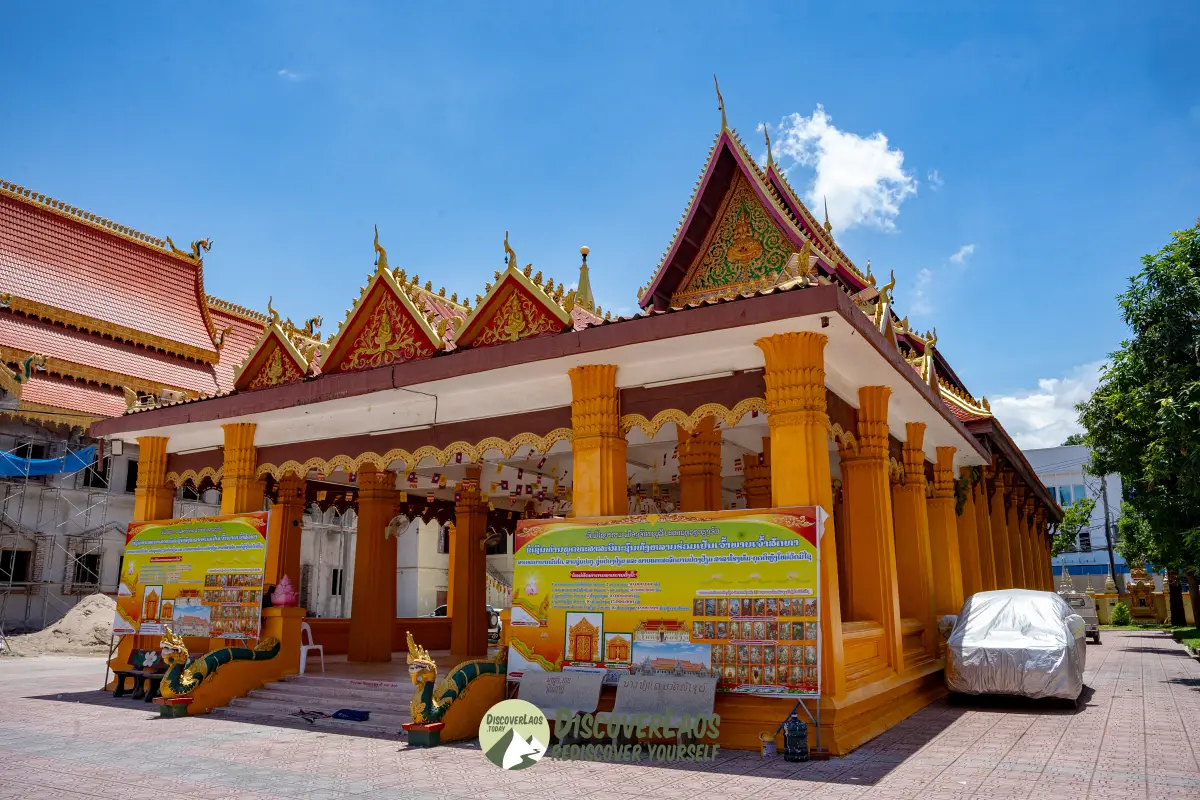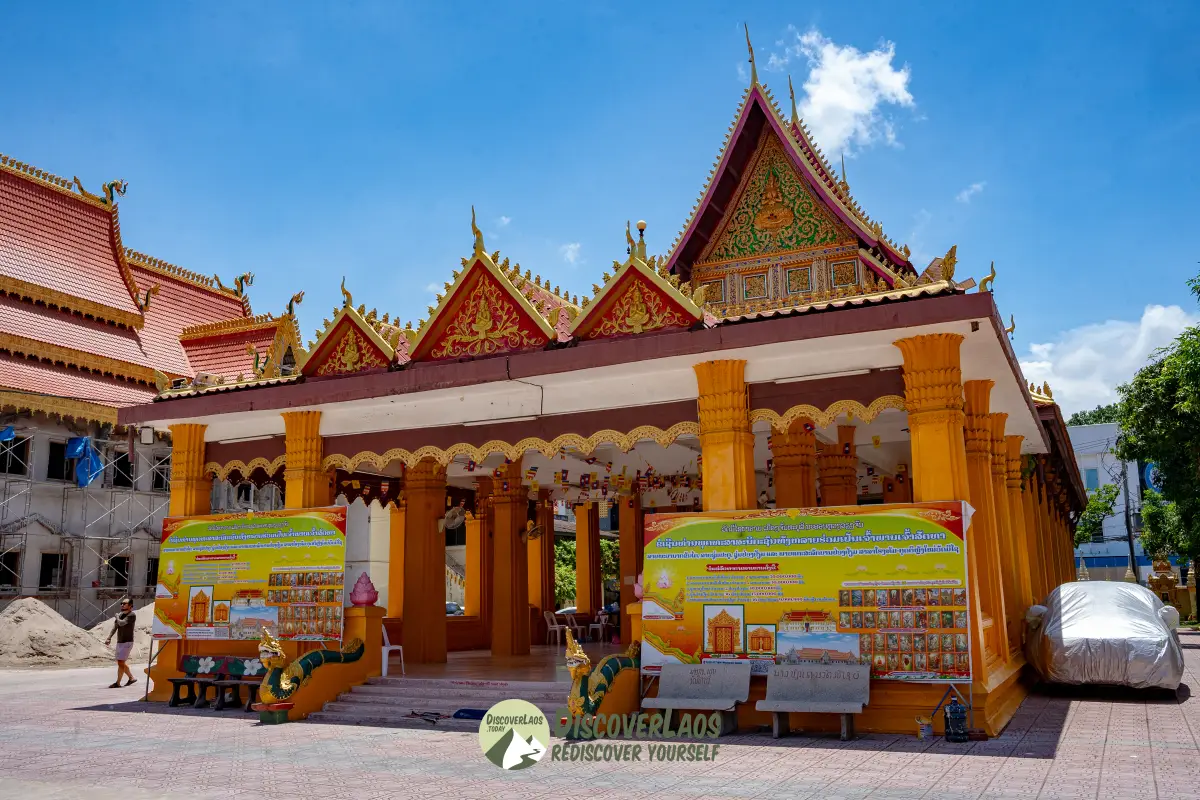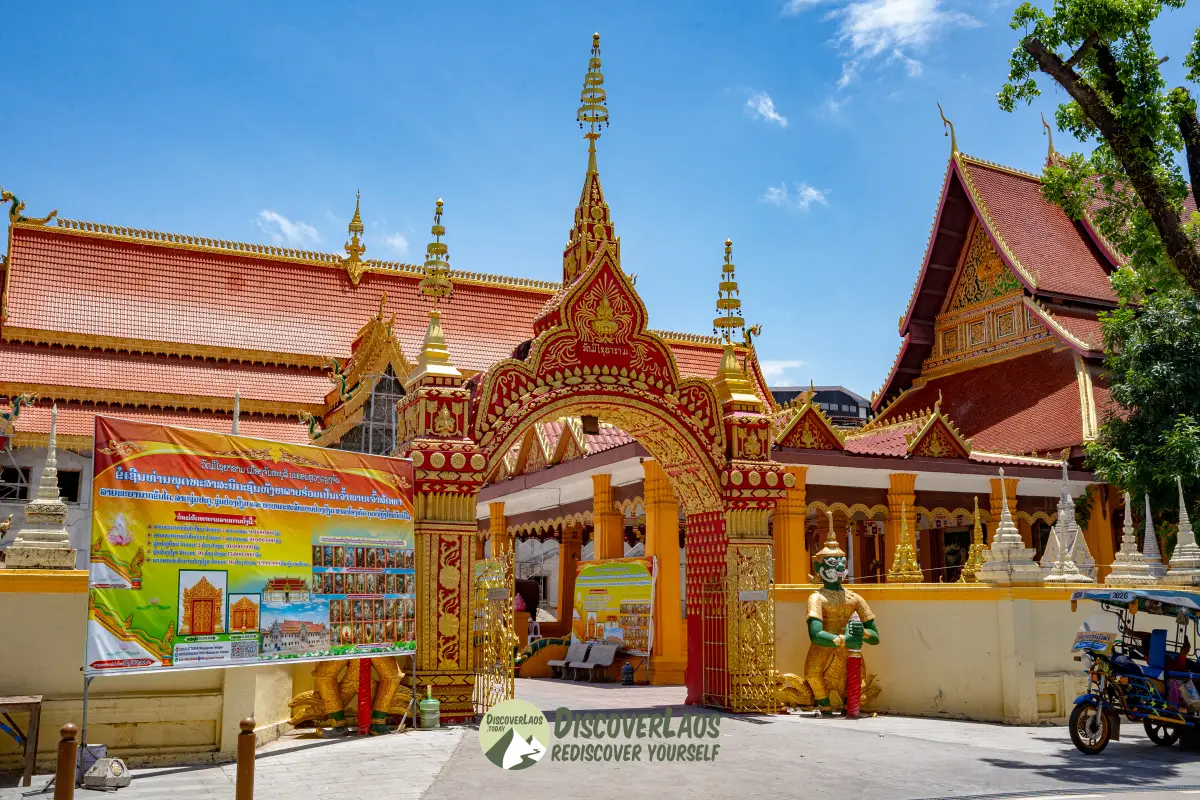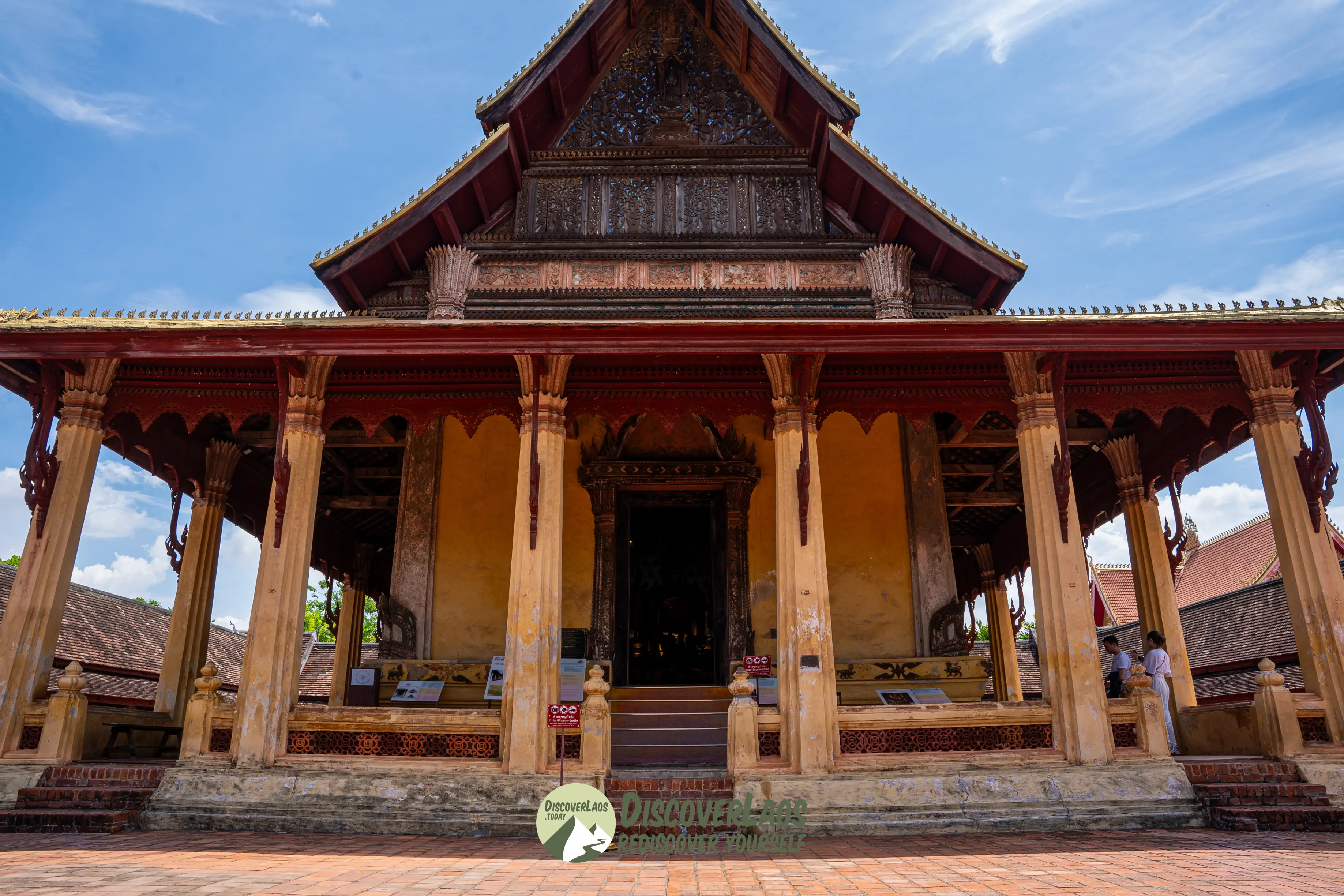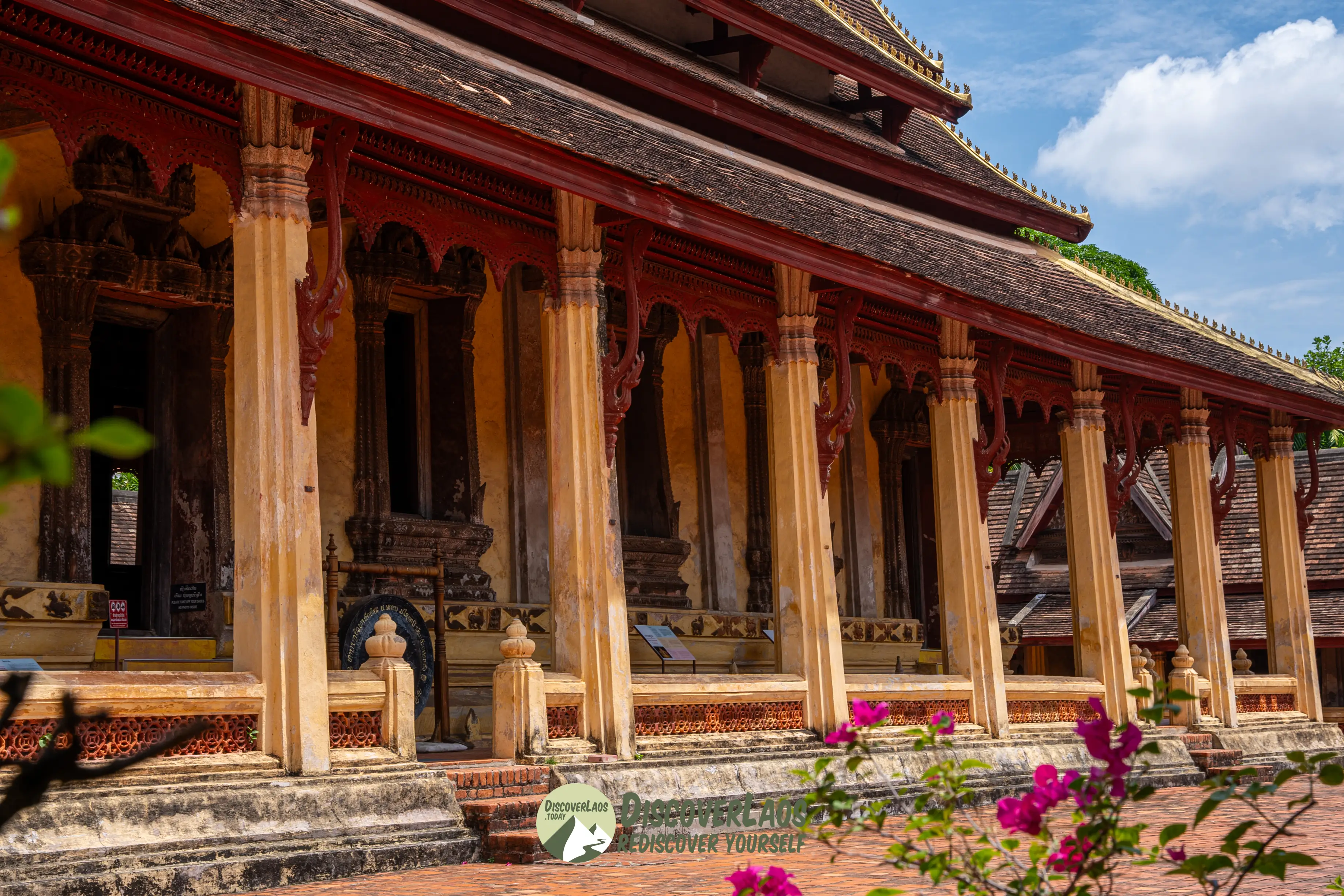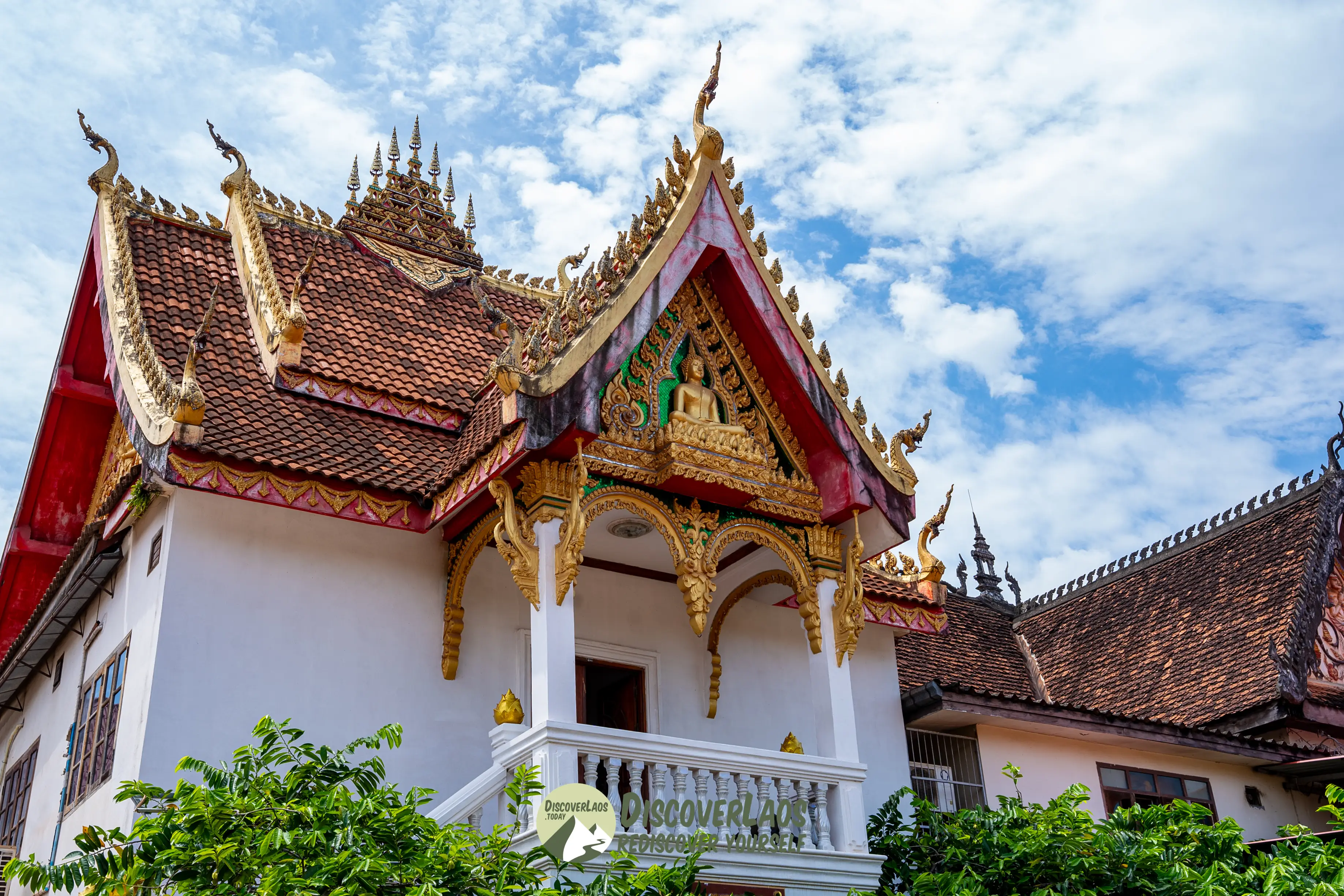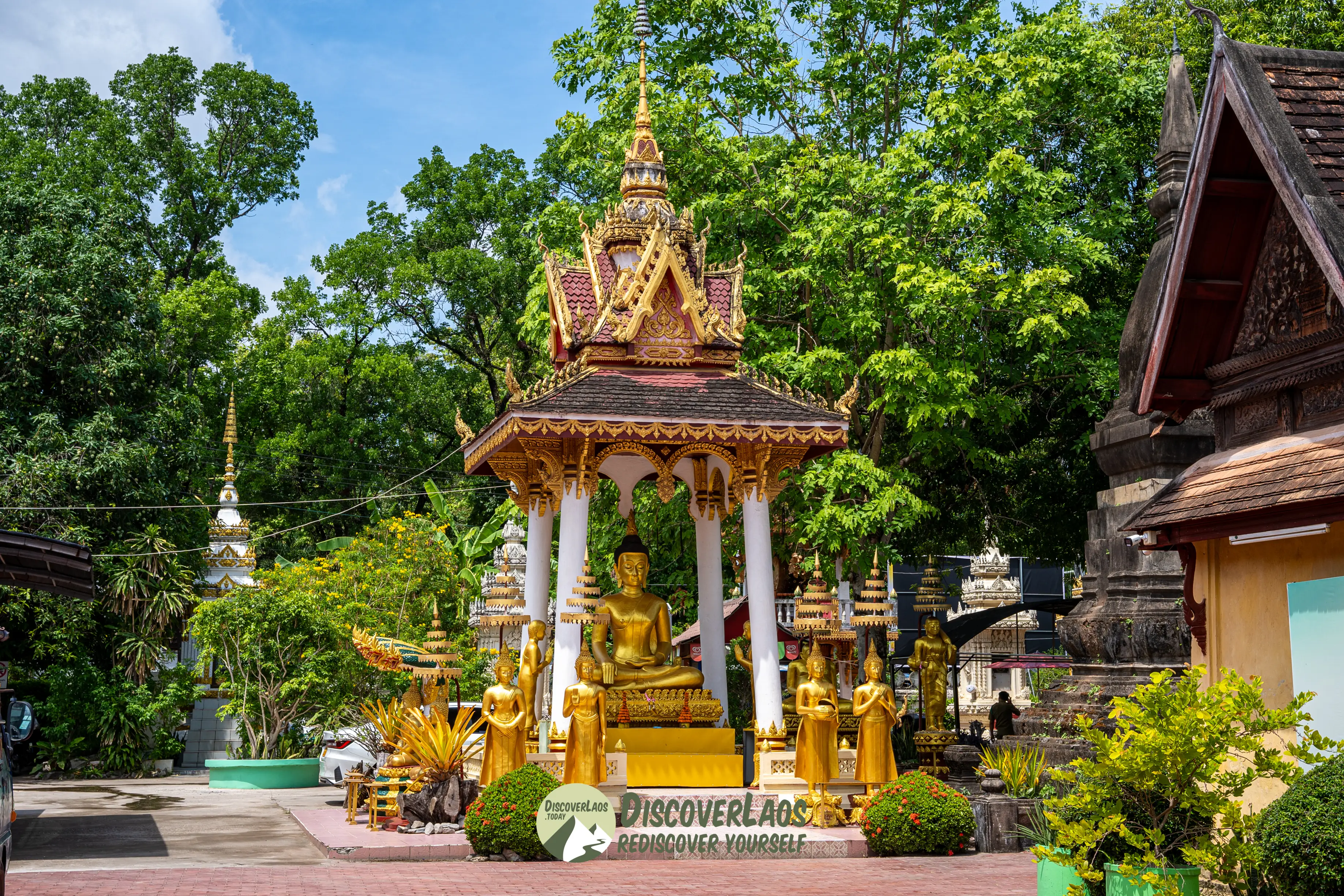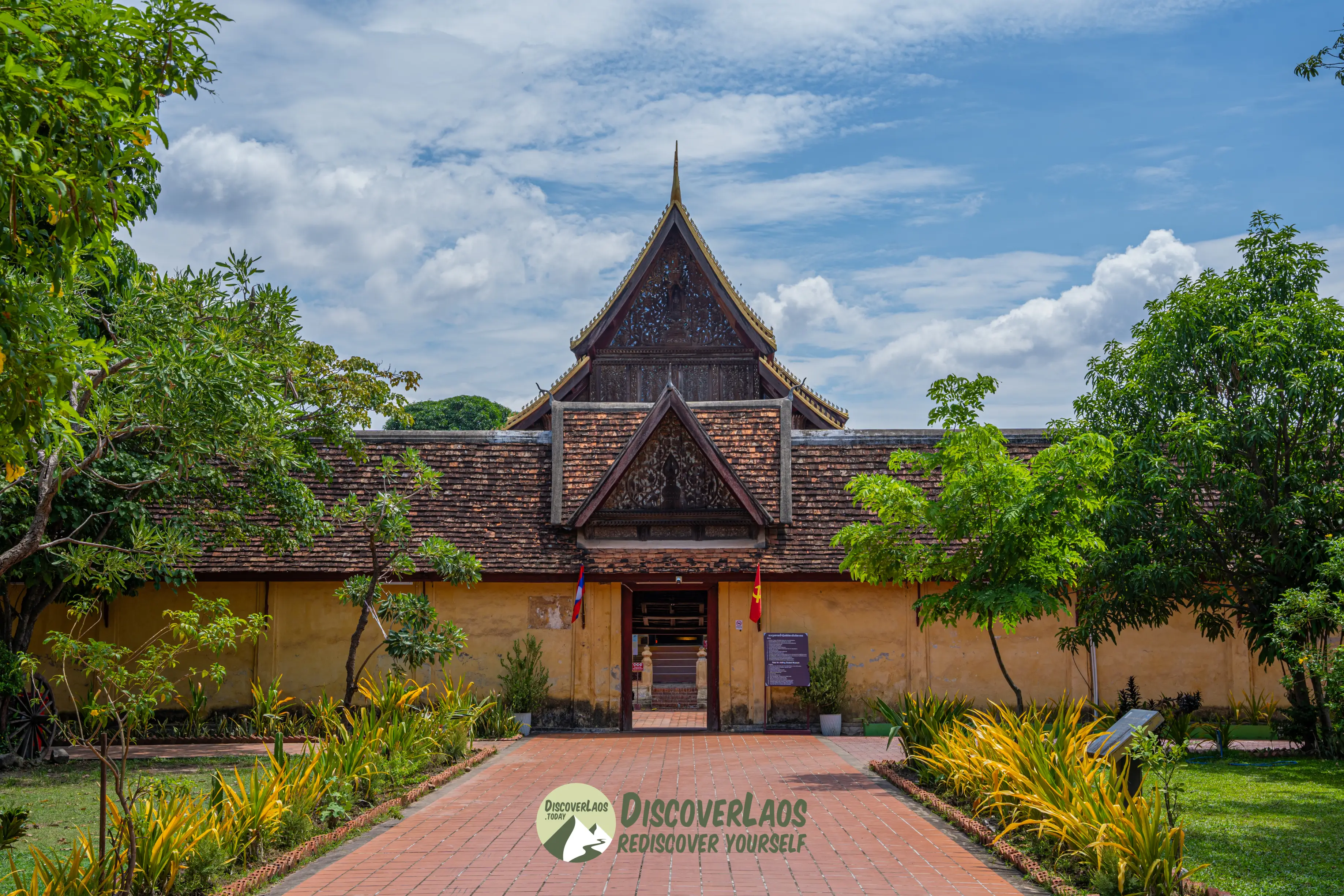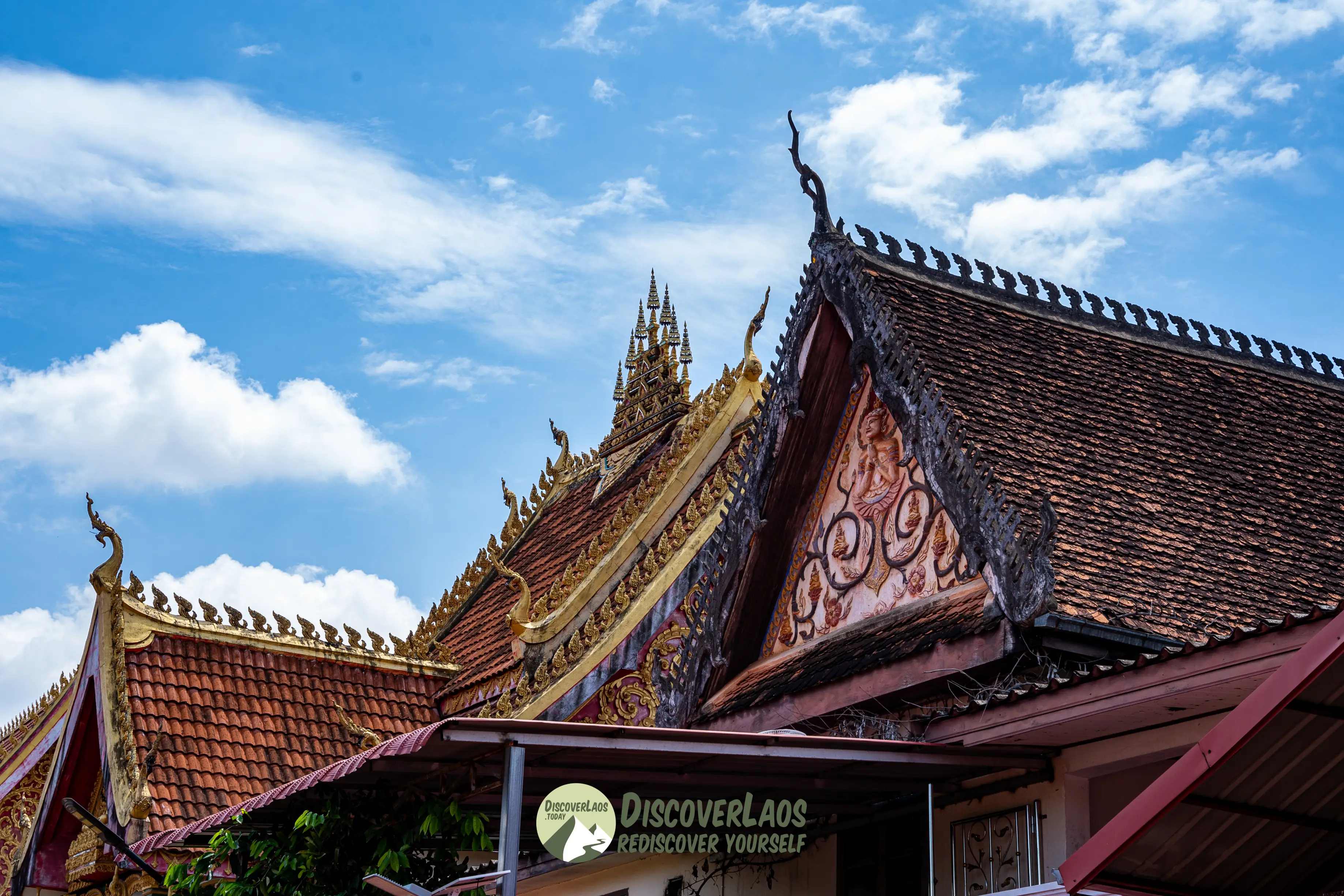
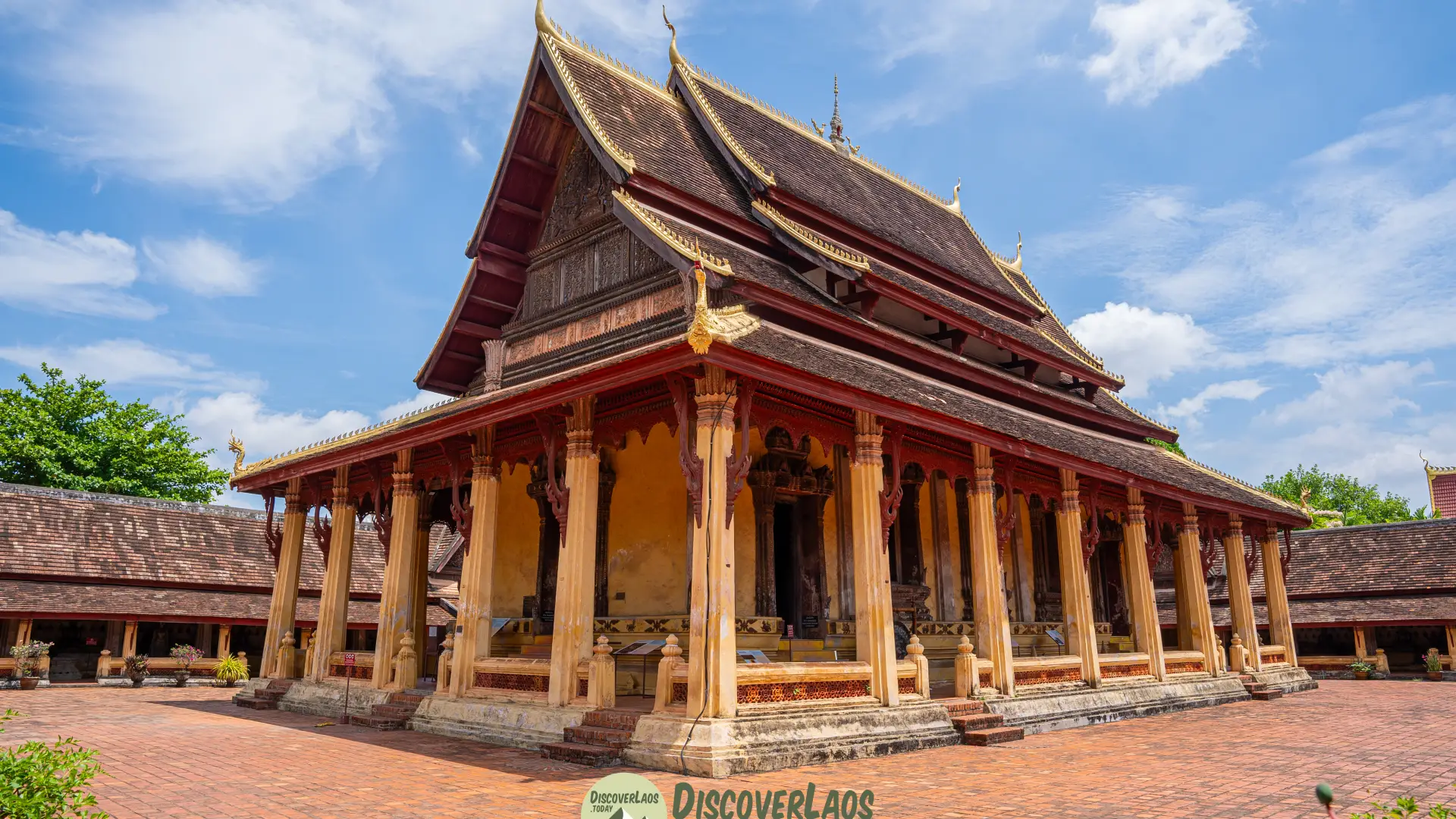
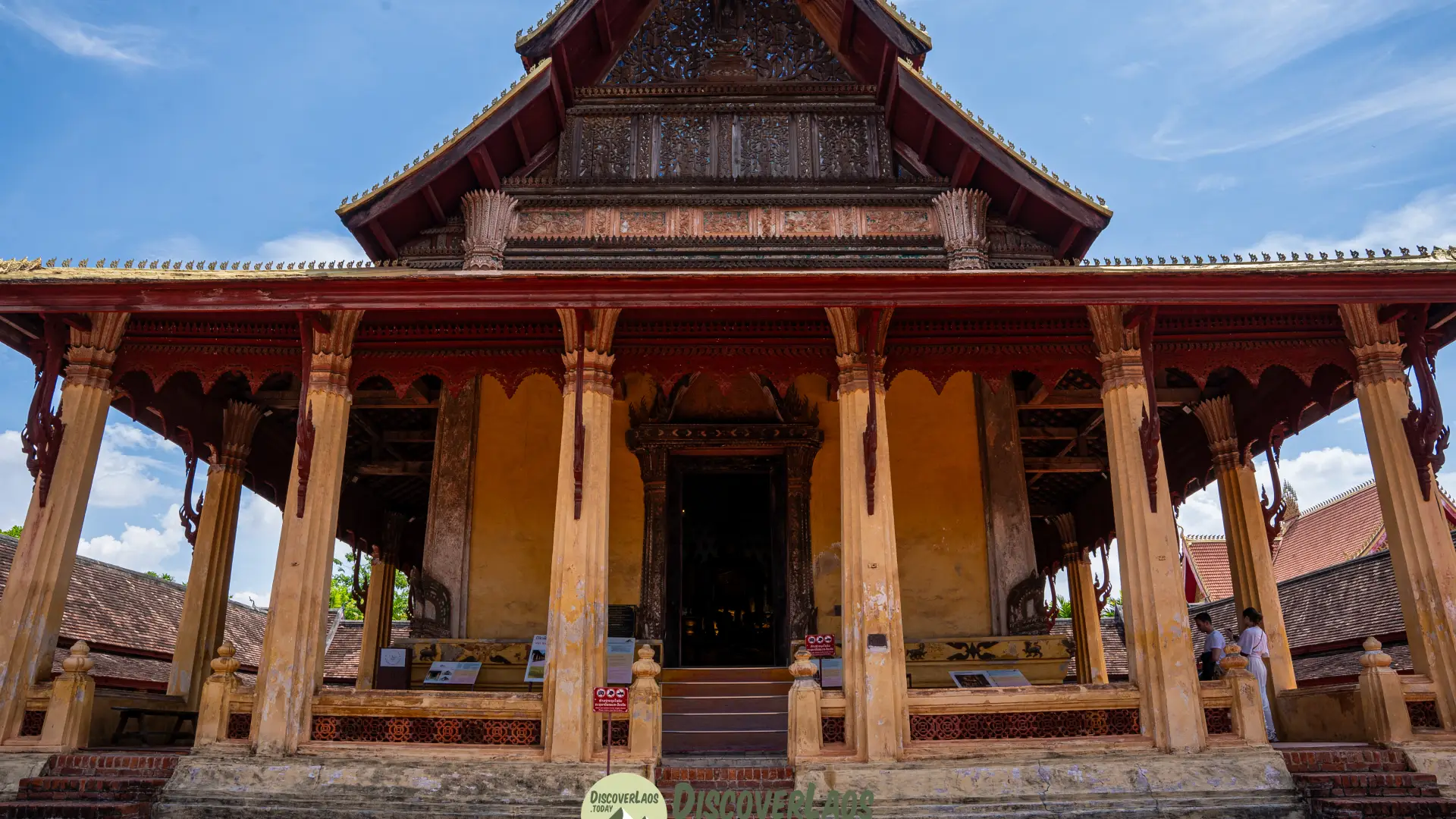
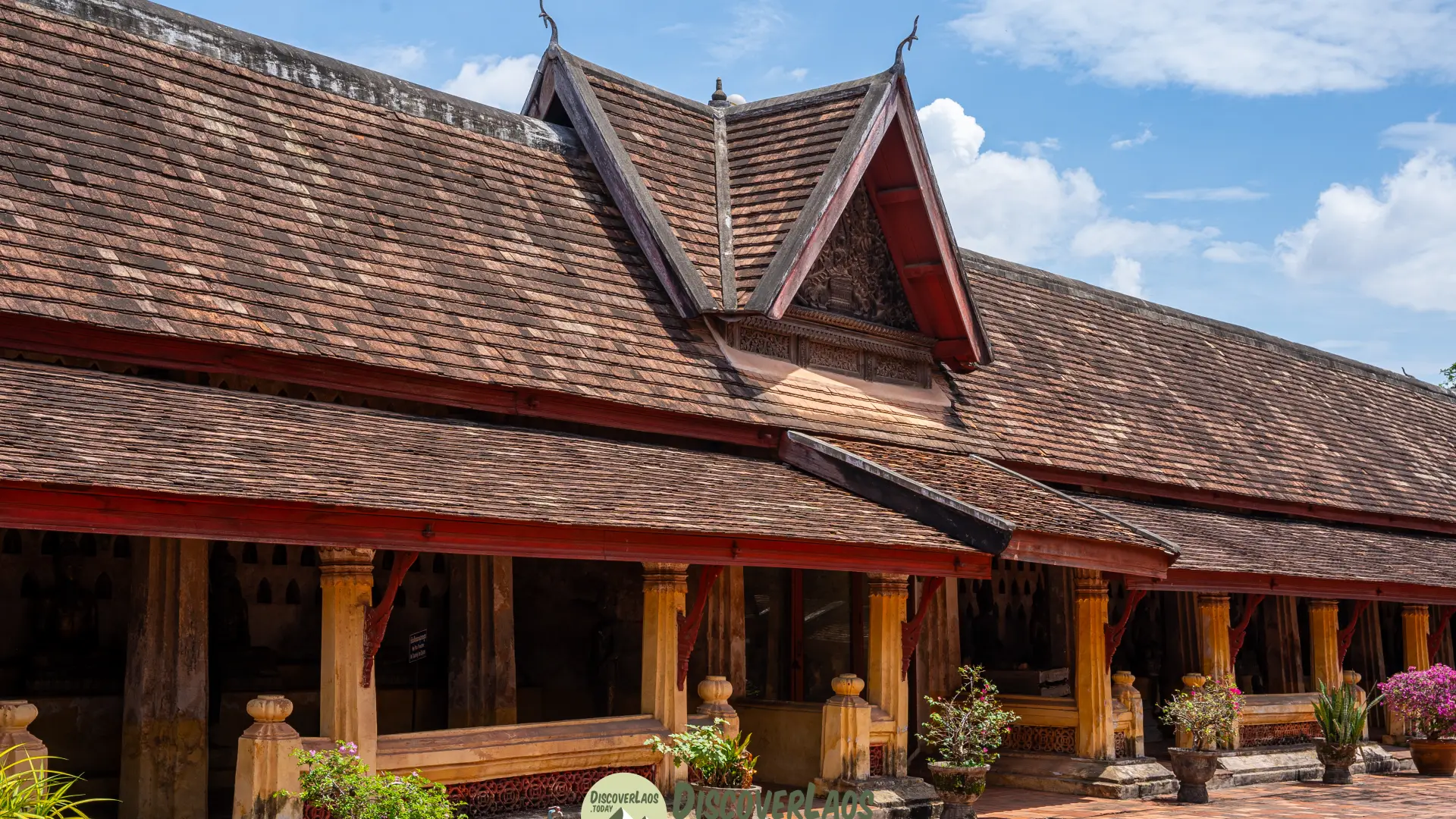
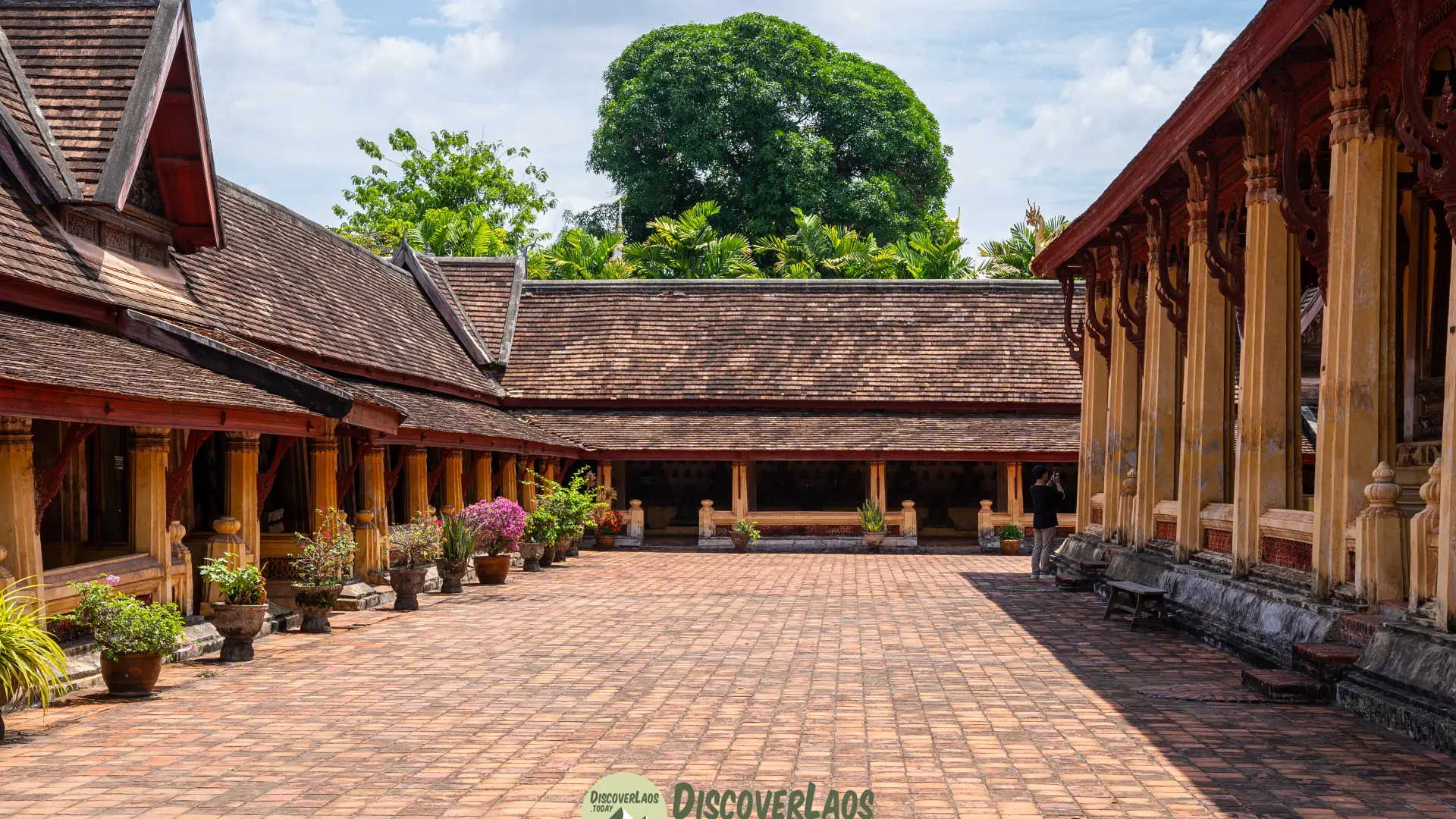
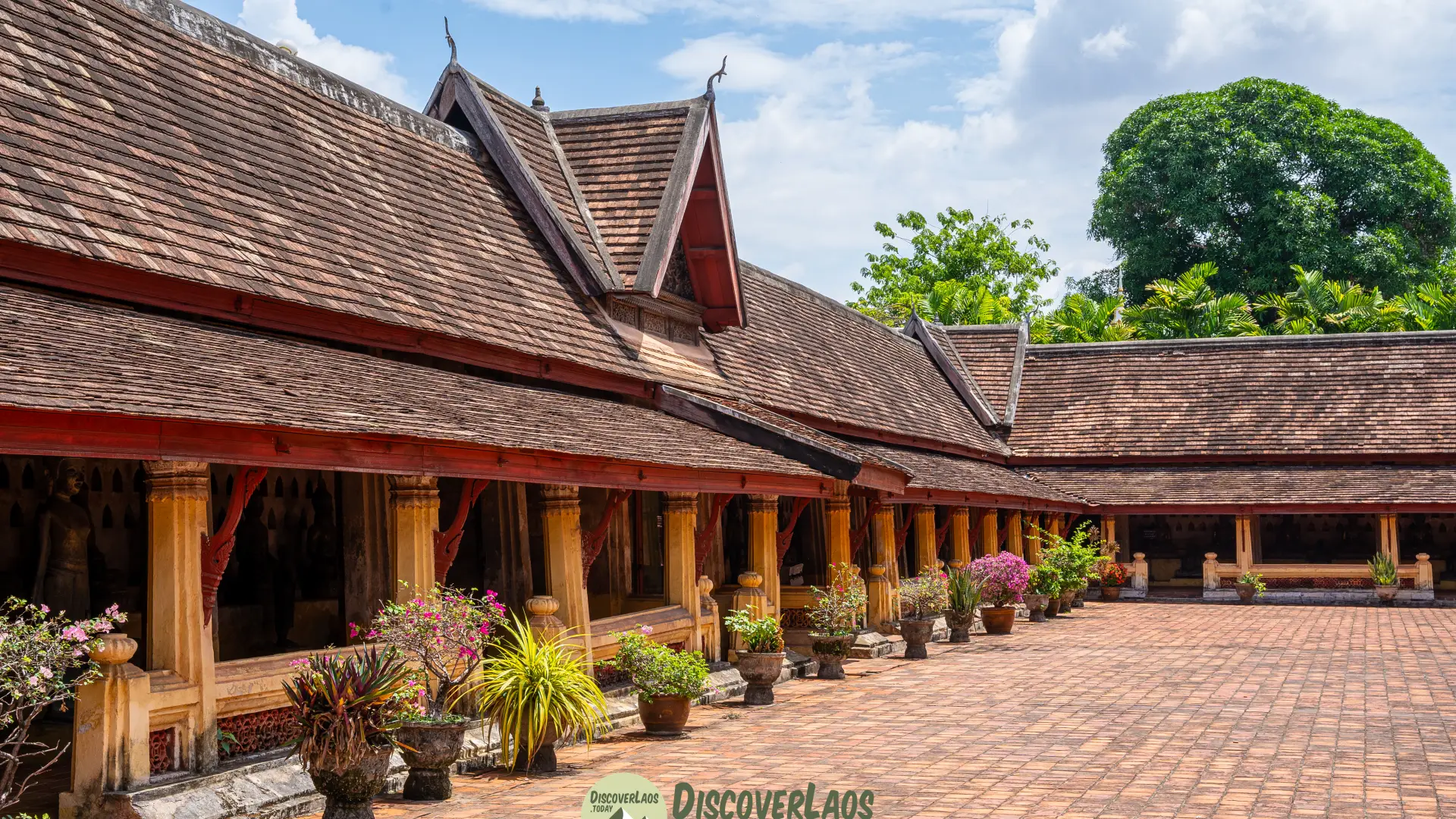
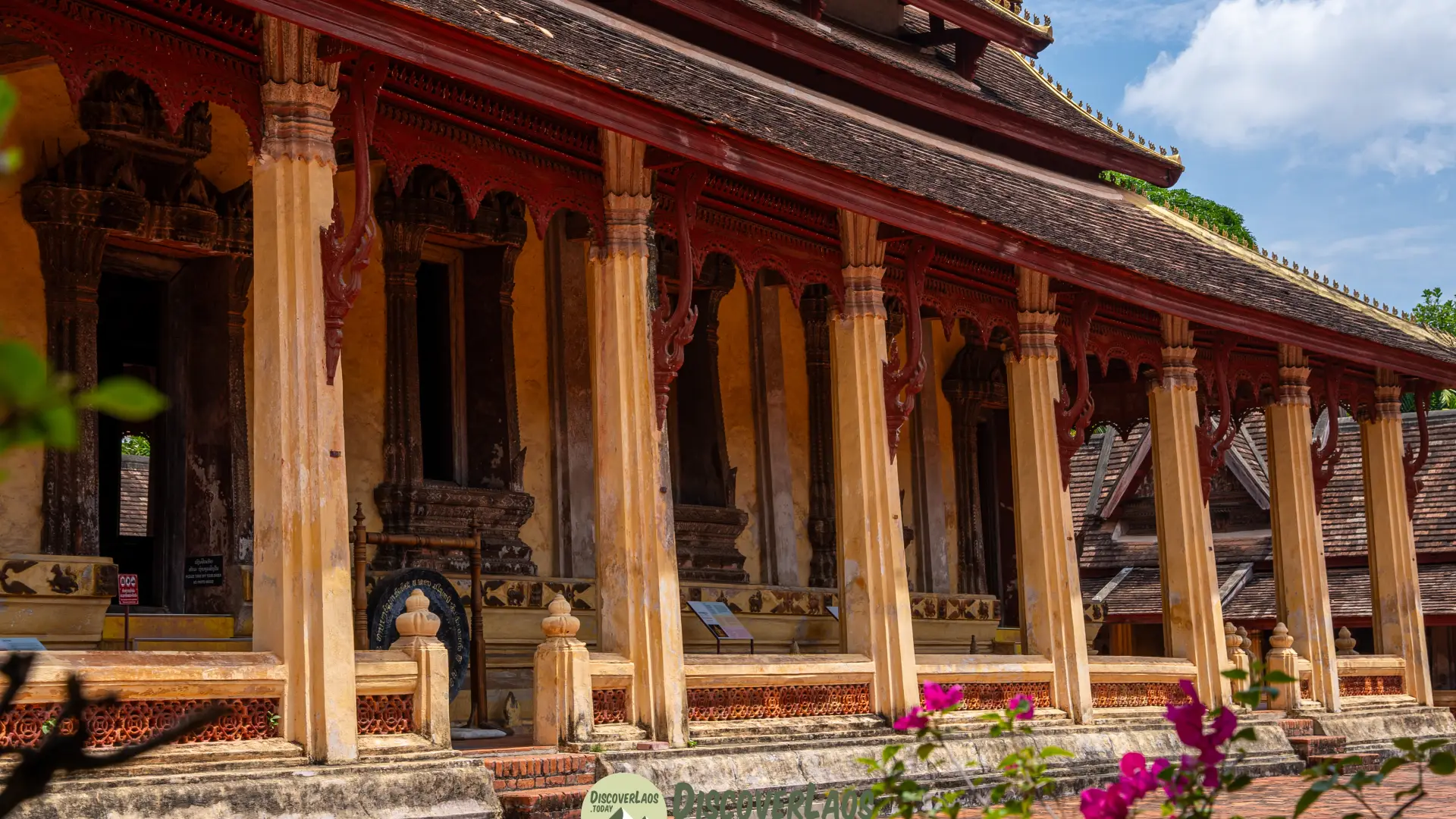
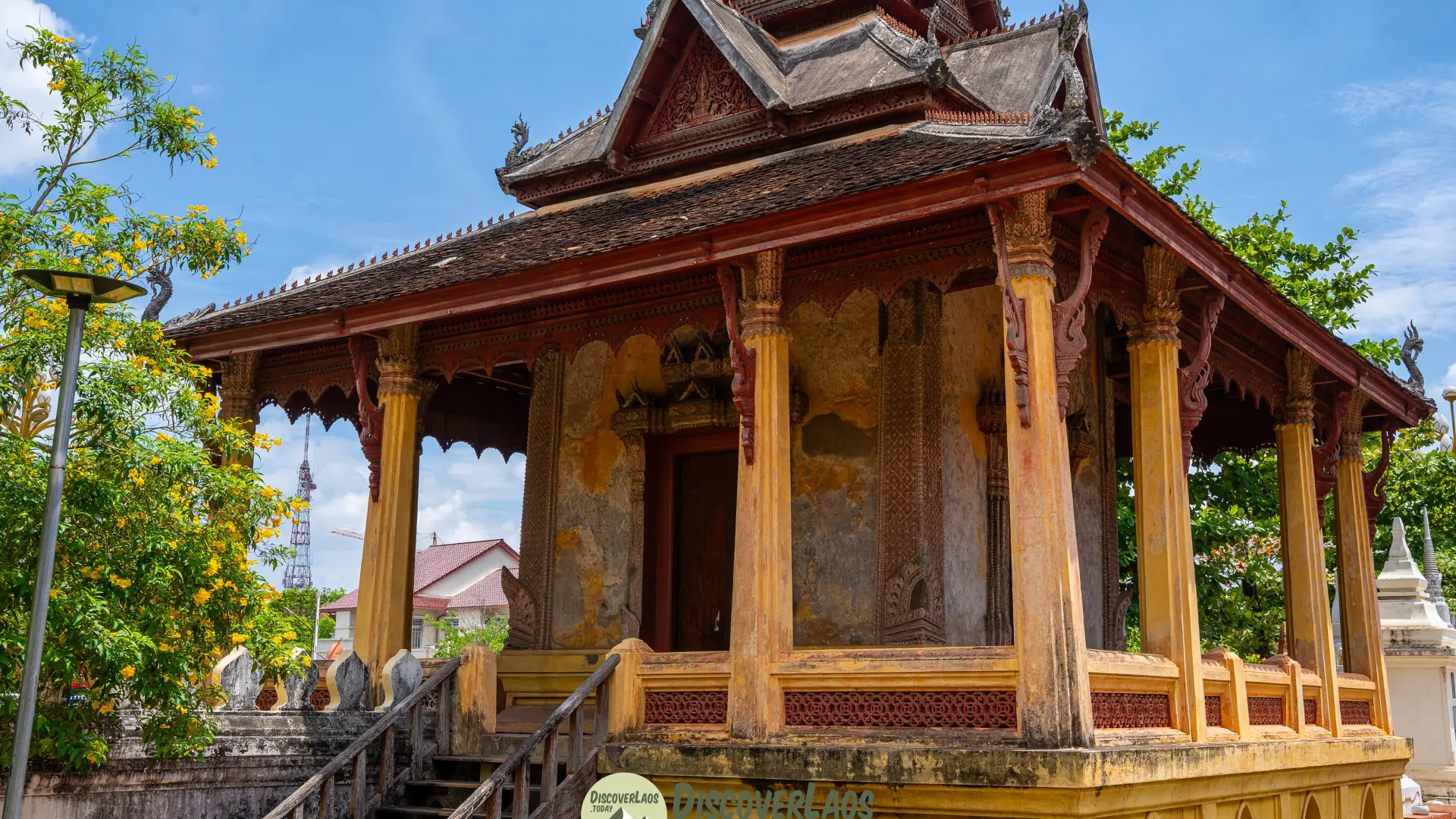
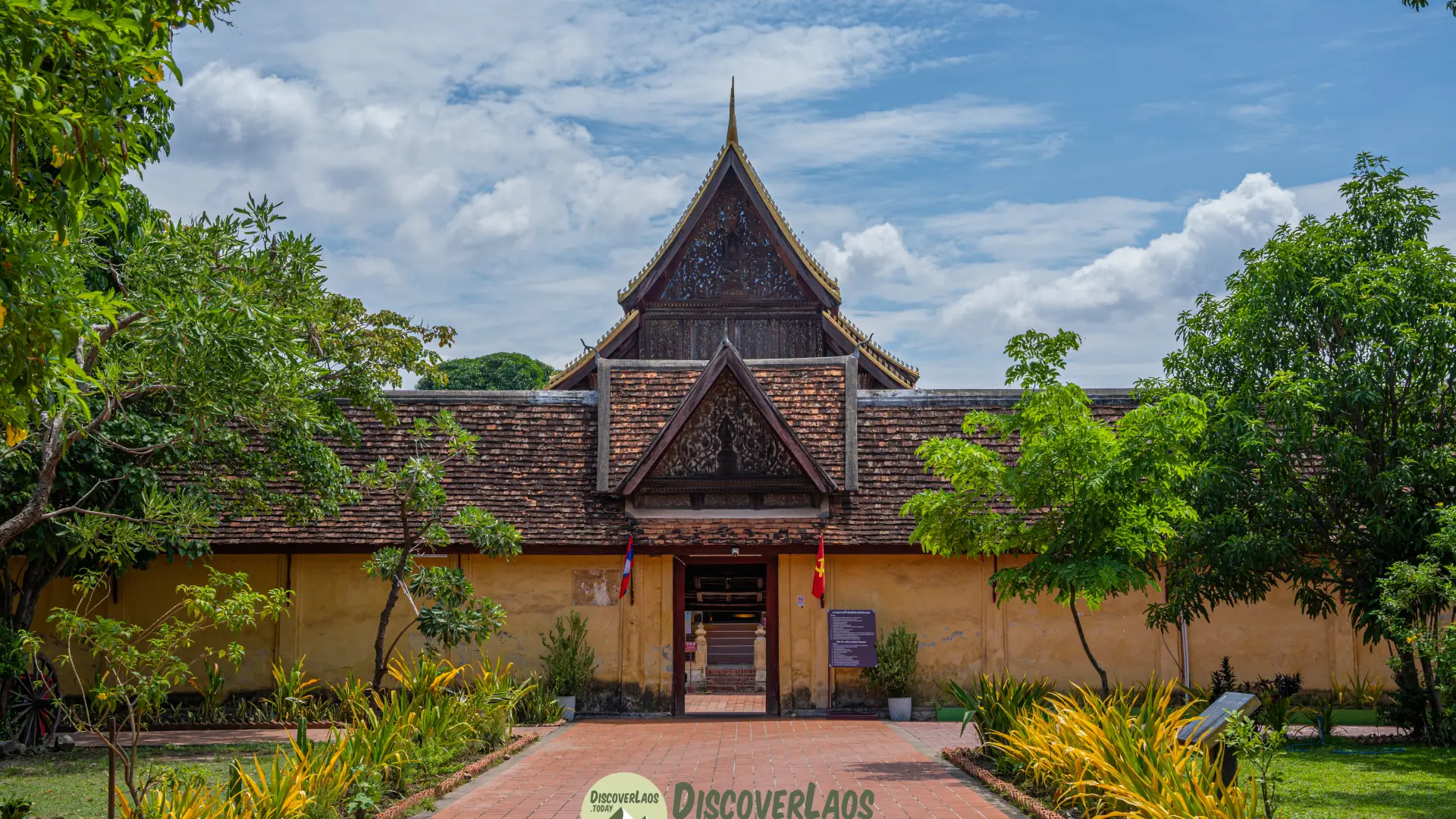
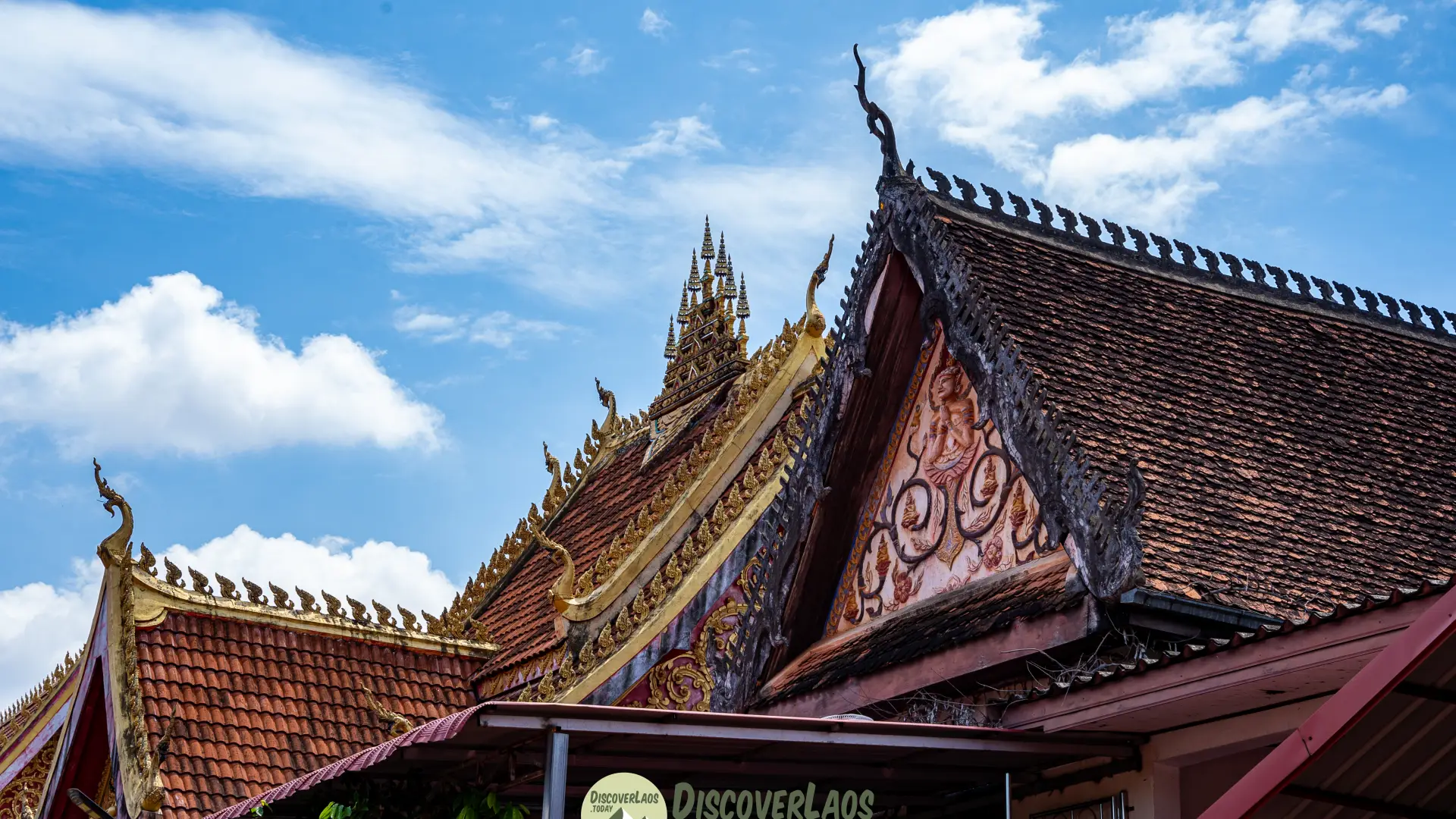
Wat Sisaket (also spelled Wat Si Saket) is the oldest surviving Buddhist temple in Vientiane and one of the most historically significant religious monuments in Laos. Located in the heart of Vientiane, directly opposite Haw Phra Kaew, the temple was commissioned by King Anouvong and completed in 1818 during the final years of the Lan Xang Kingdom.
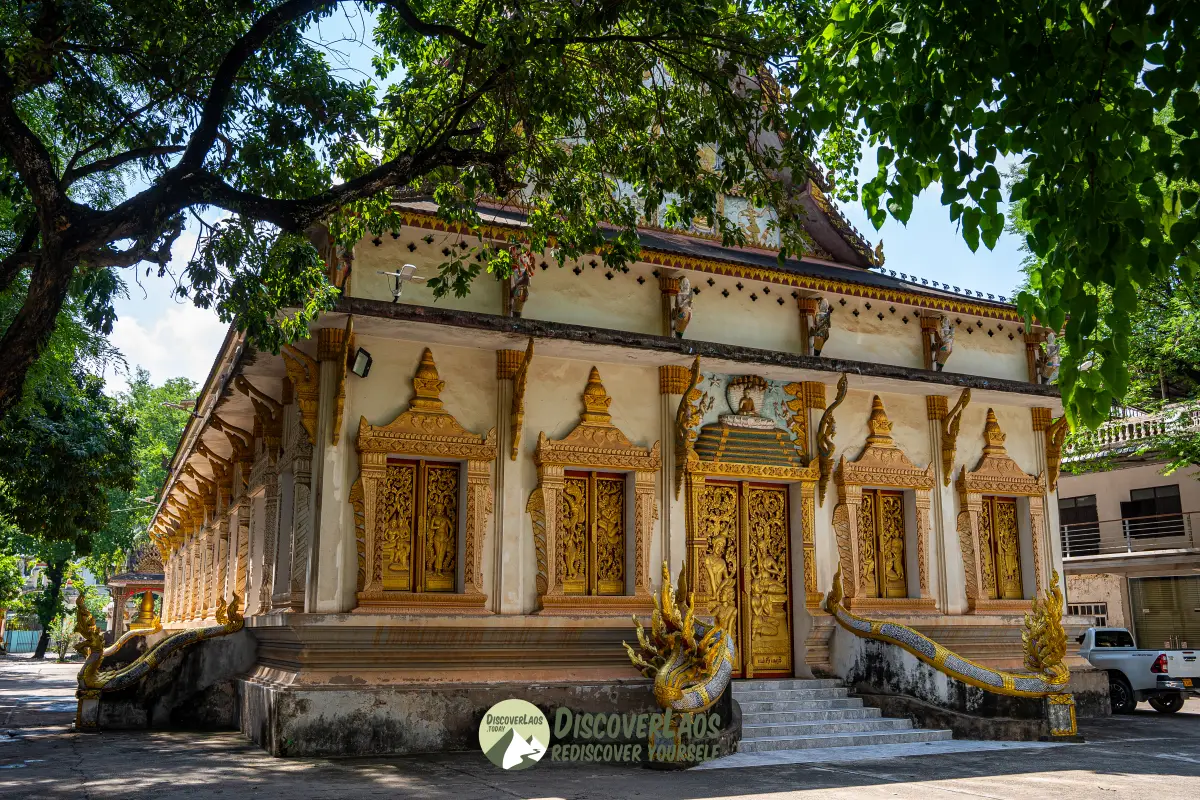
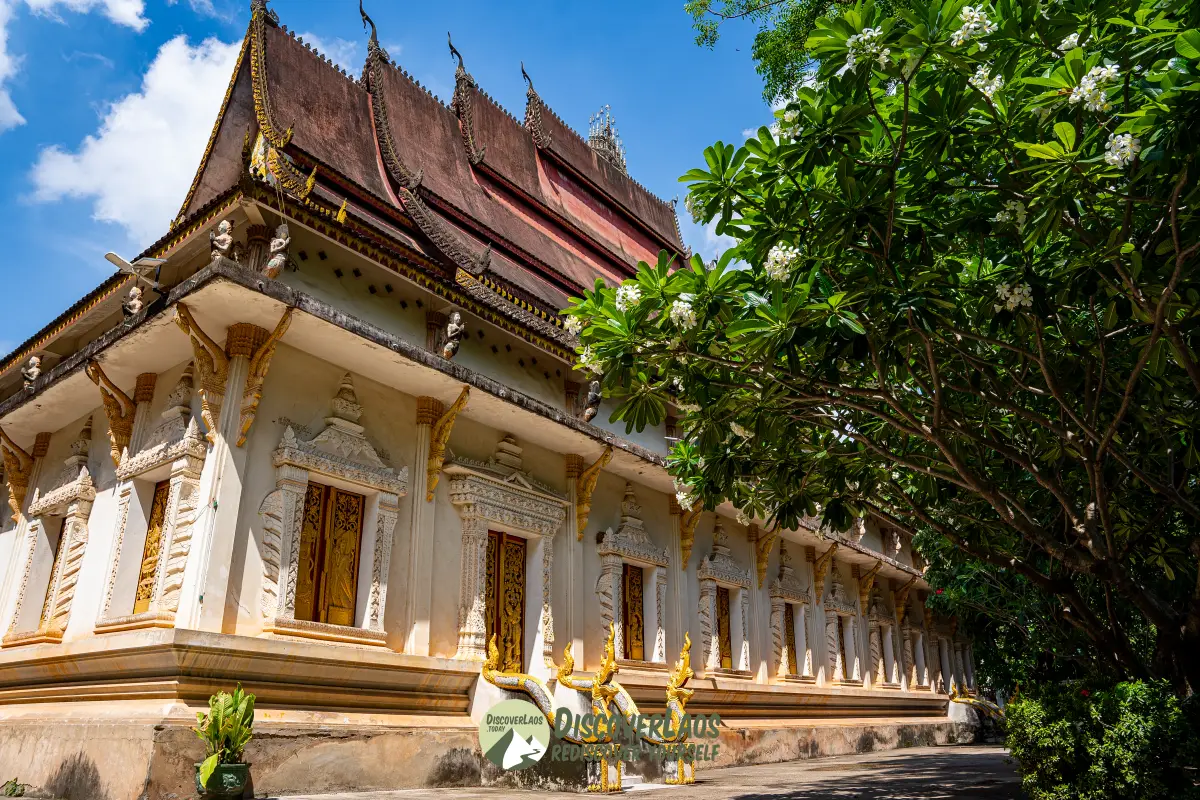
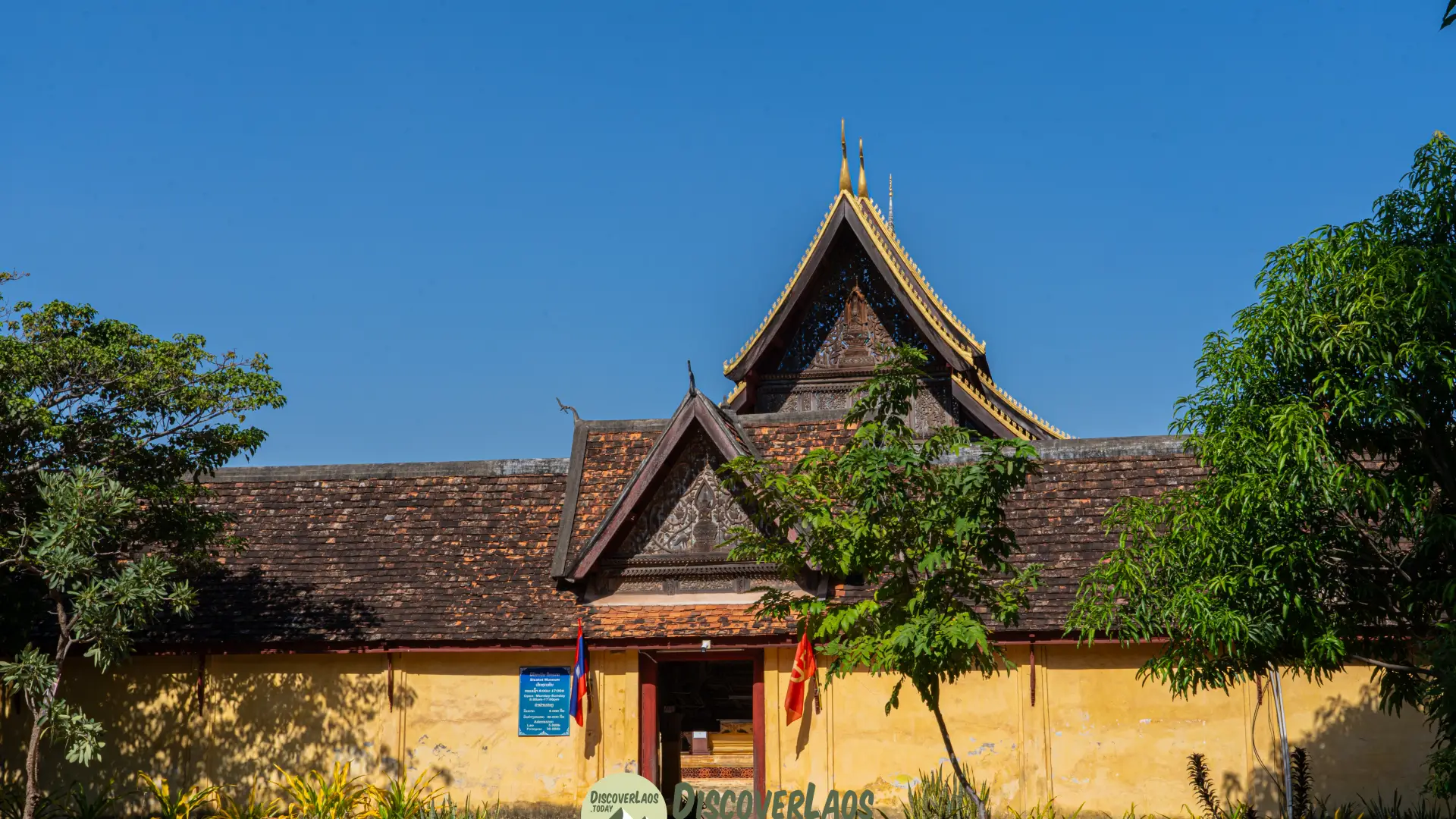
What makes Wat Sisaket unique is that it was the only major temple in Vientiane to survive the destruction of the city during the Siamese invasion of 1828. While many temples and buildings were destroyed, Wat Sisaket remained largely intact, likely because its architecture closely resembled the Siamese style of the period. As a result, it stands today as a rare and valuable example of early 19th-century Lao Buddhist architecture.
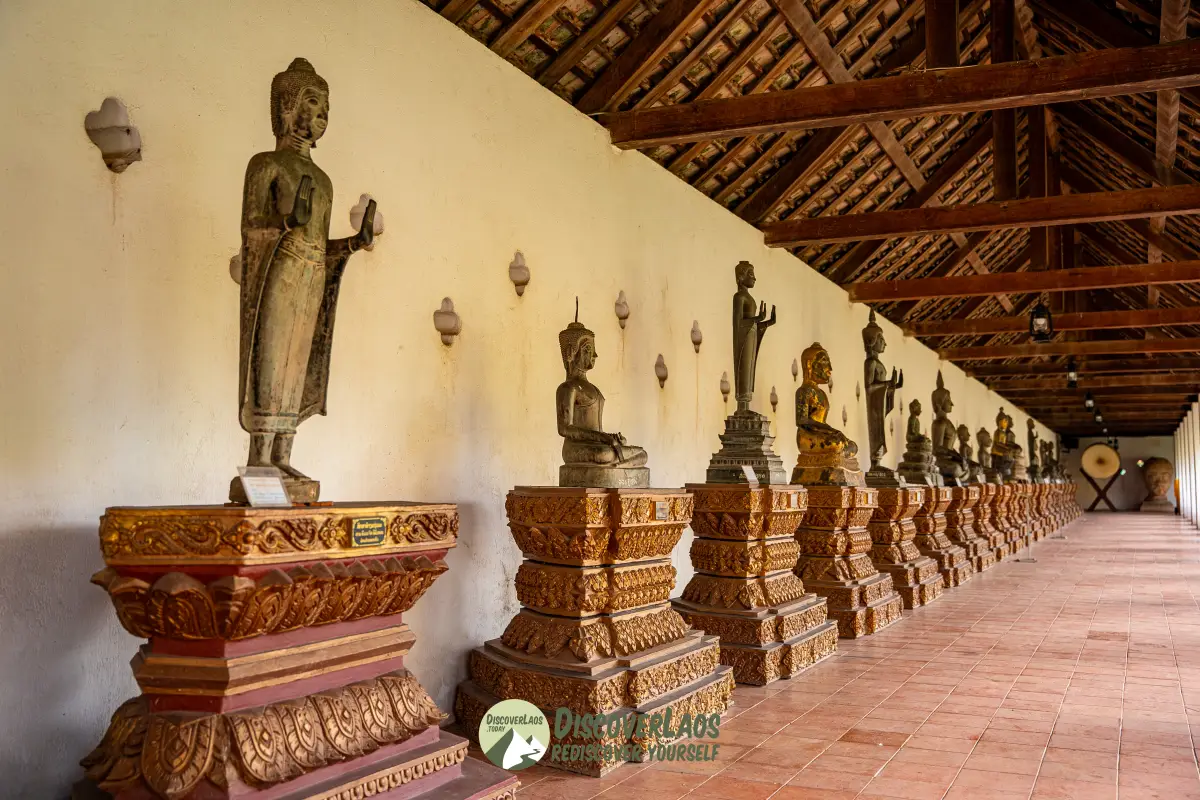
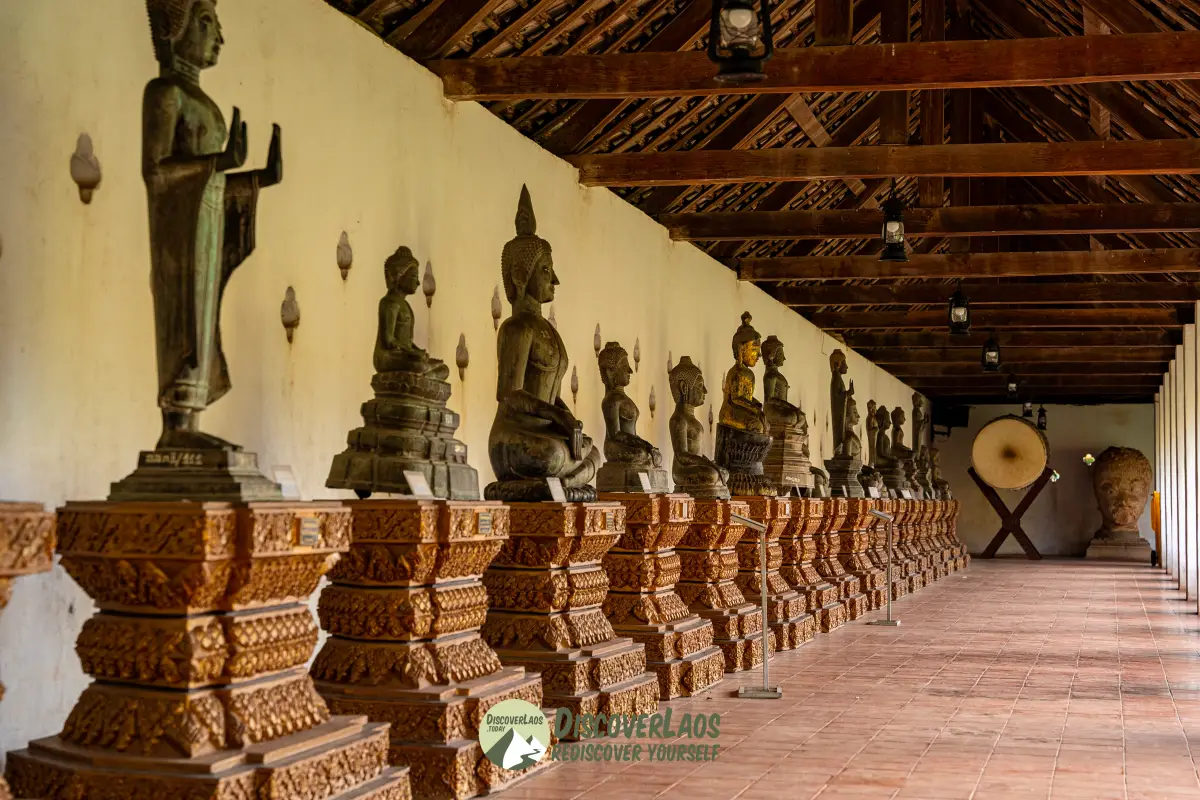
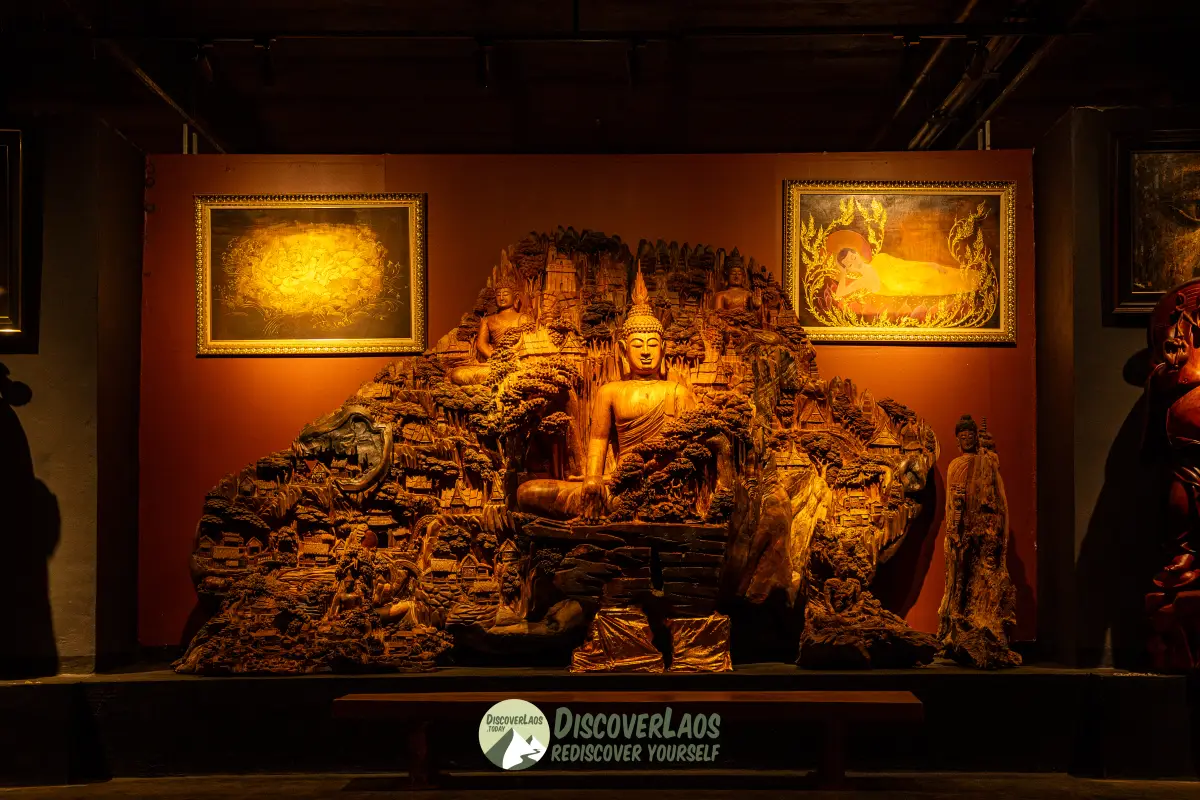
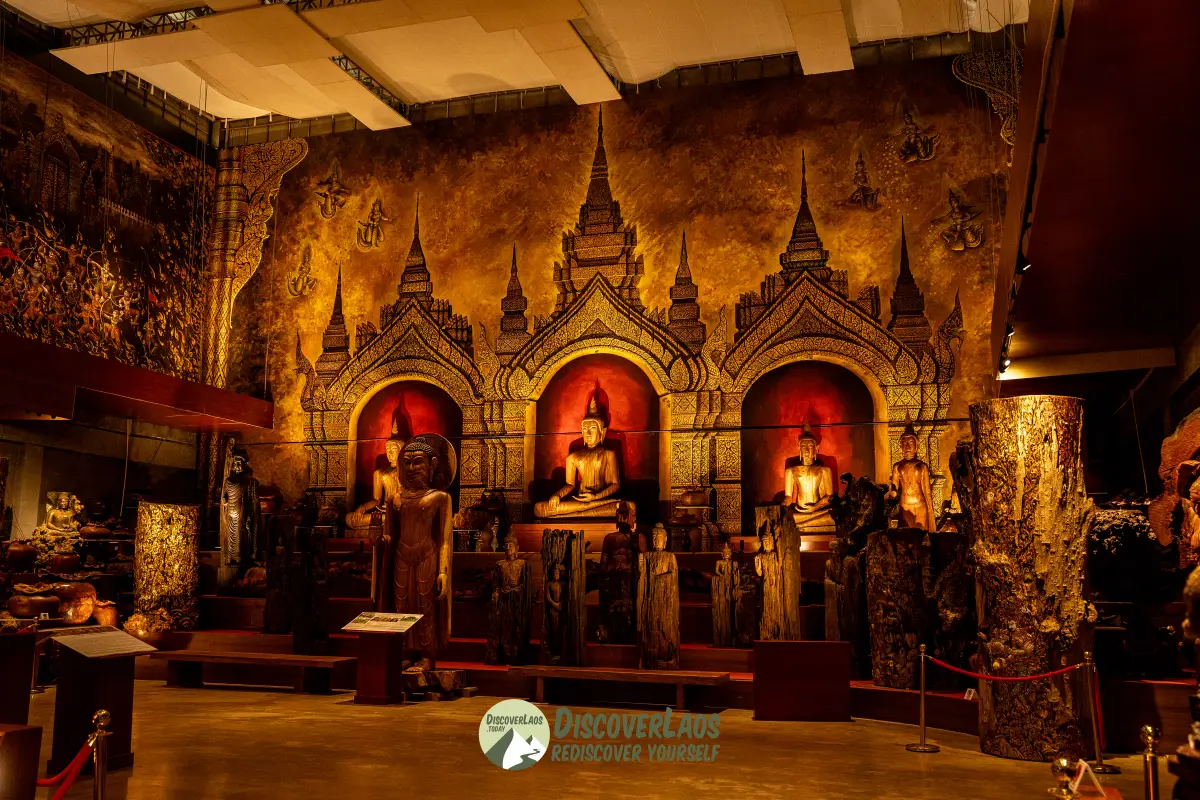
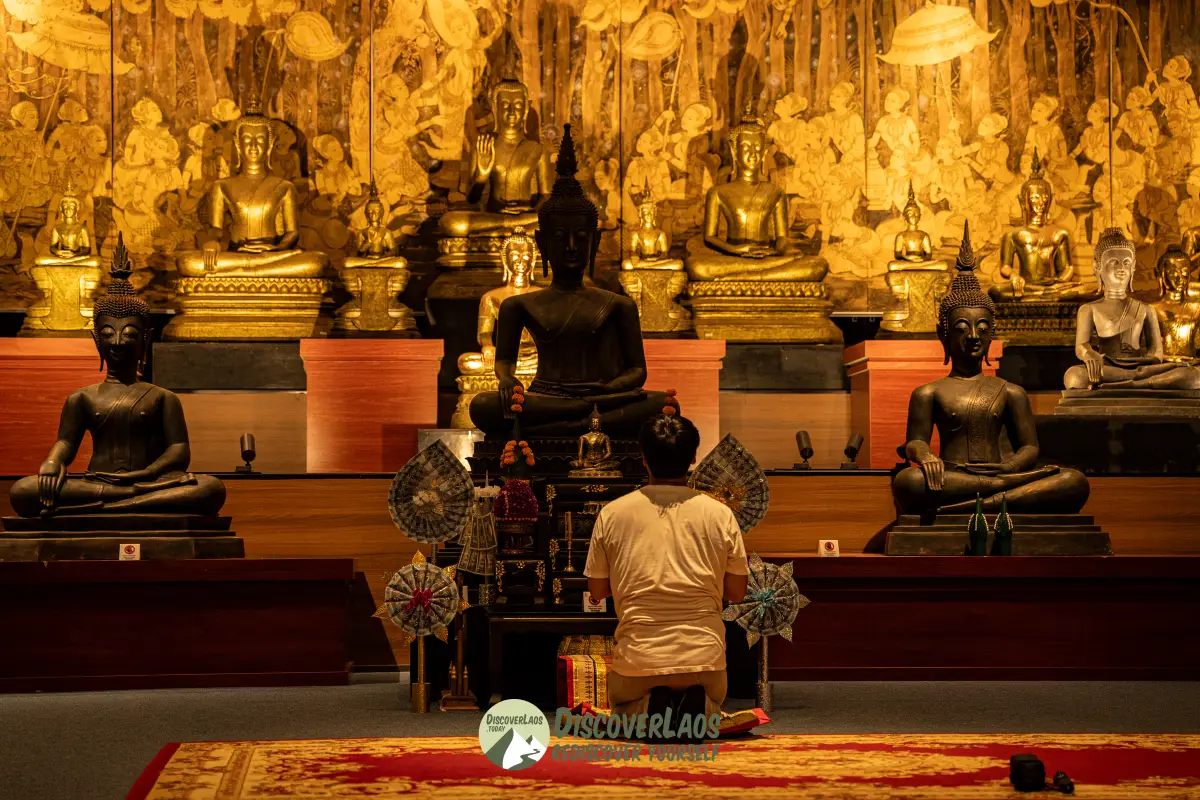
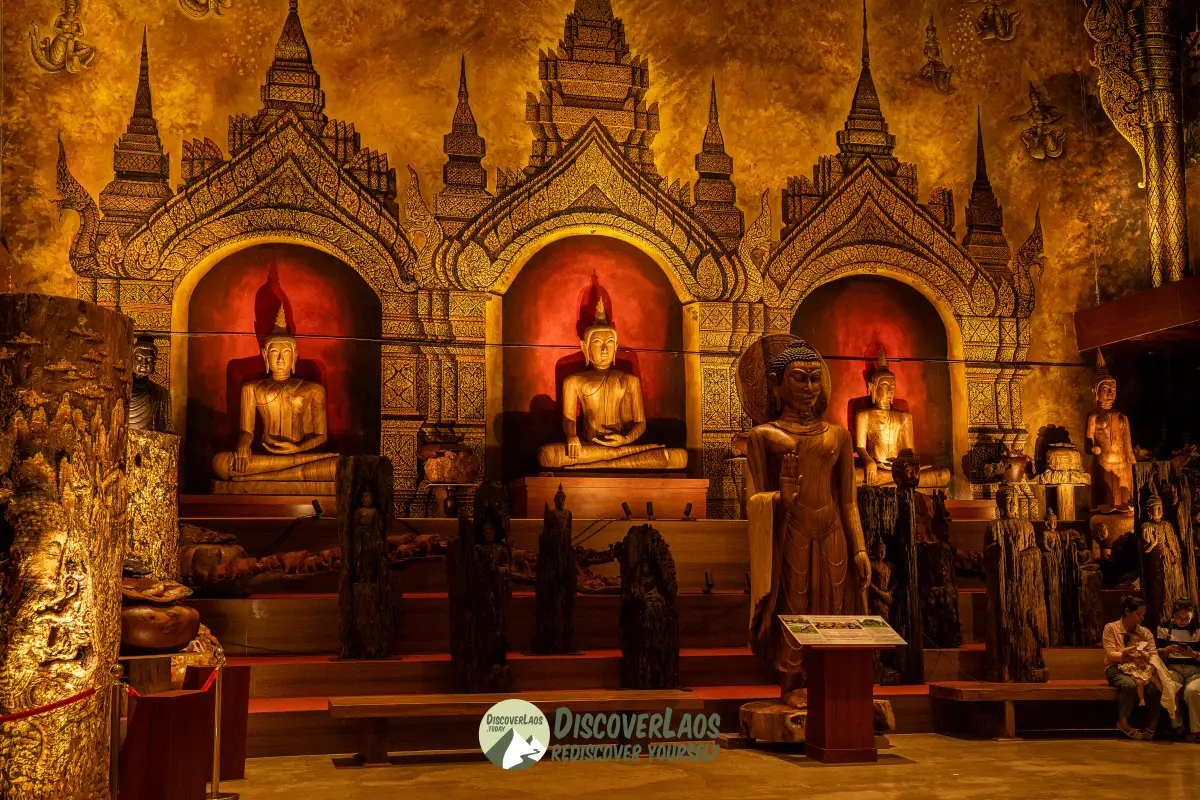
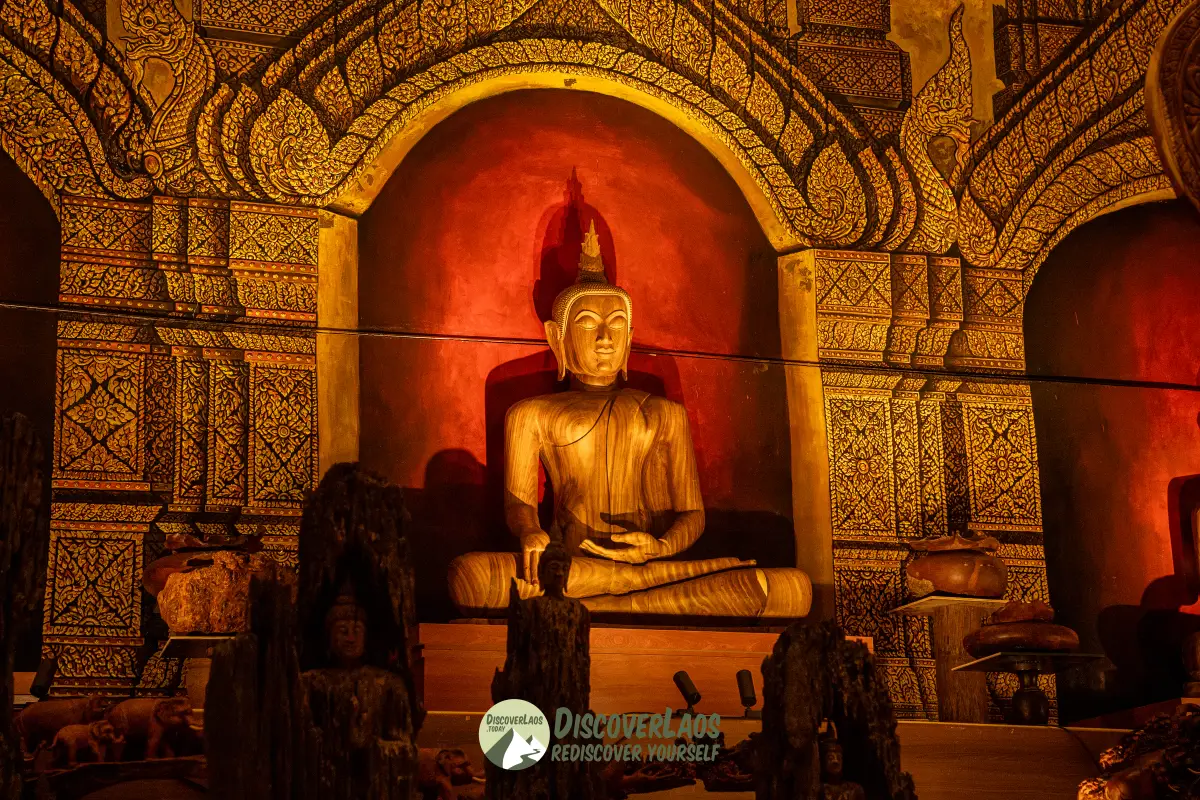
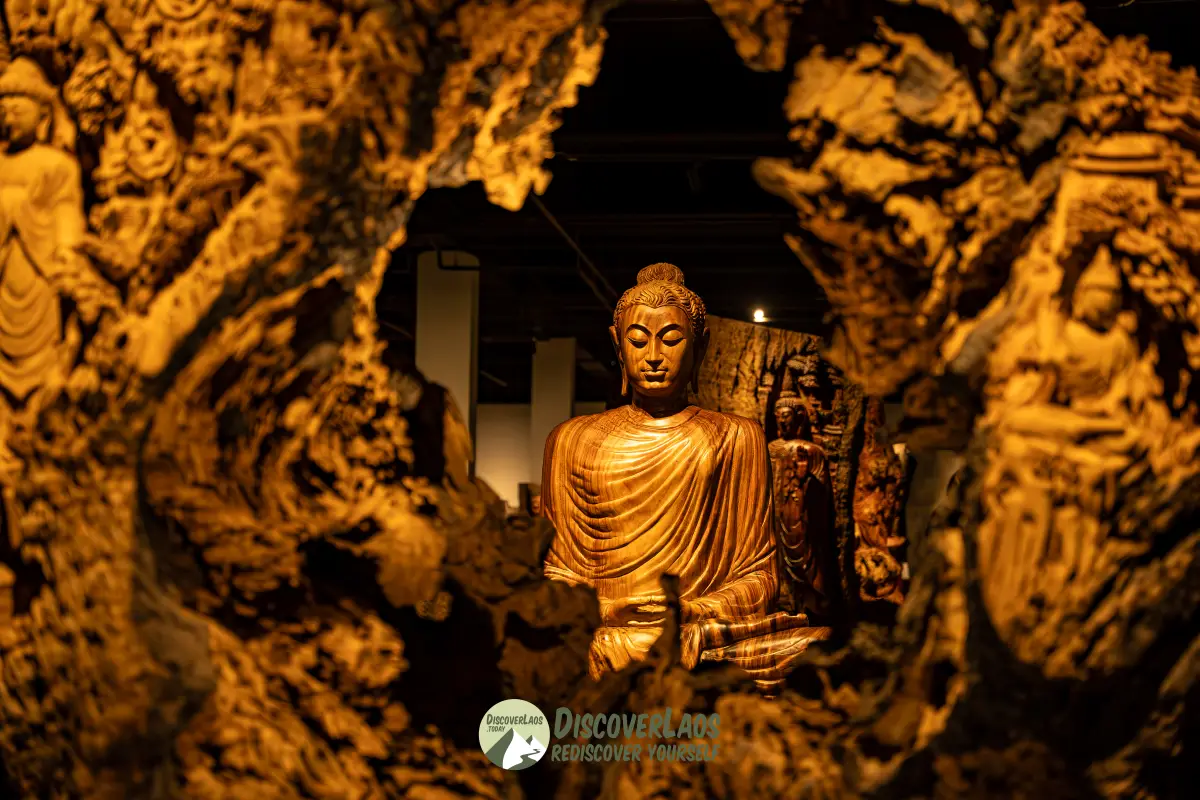
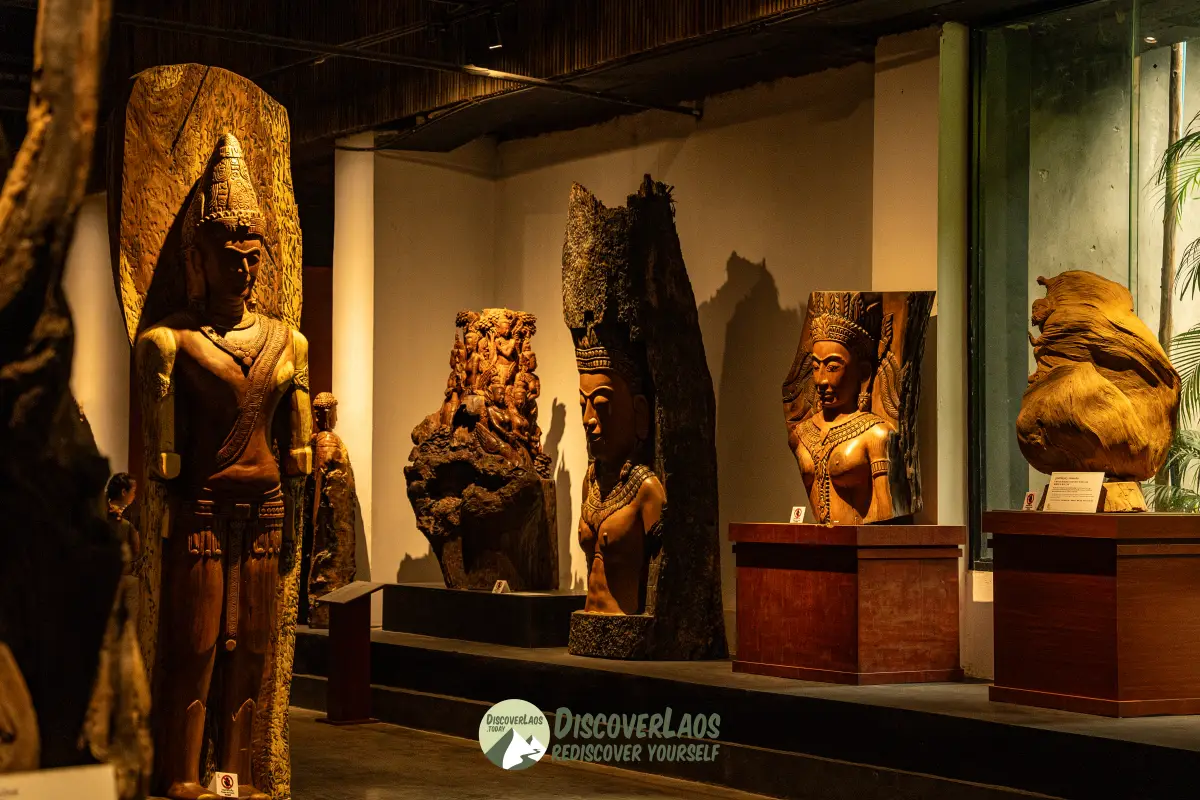
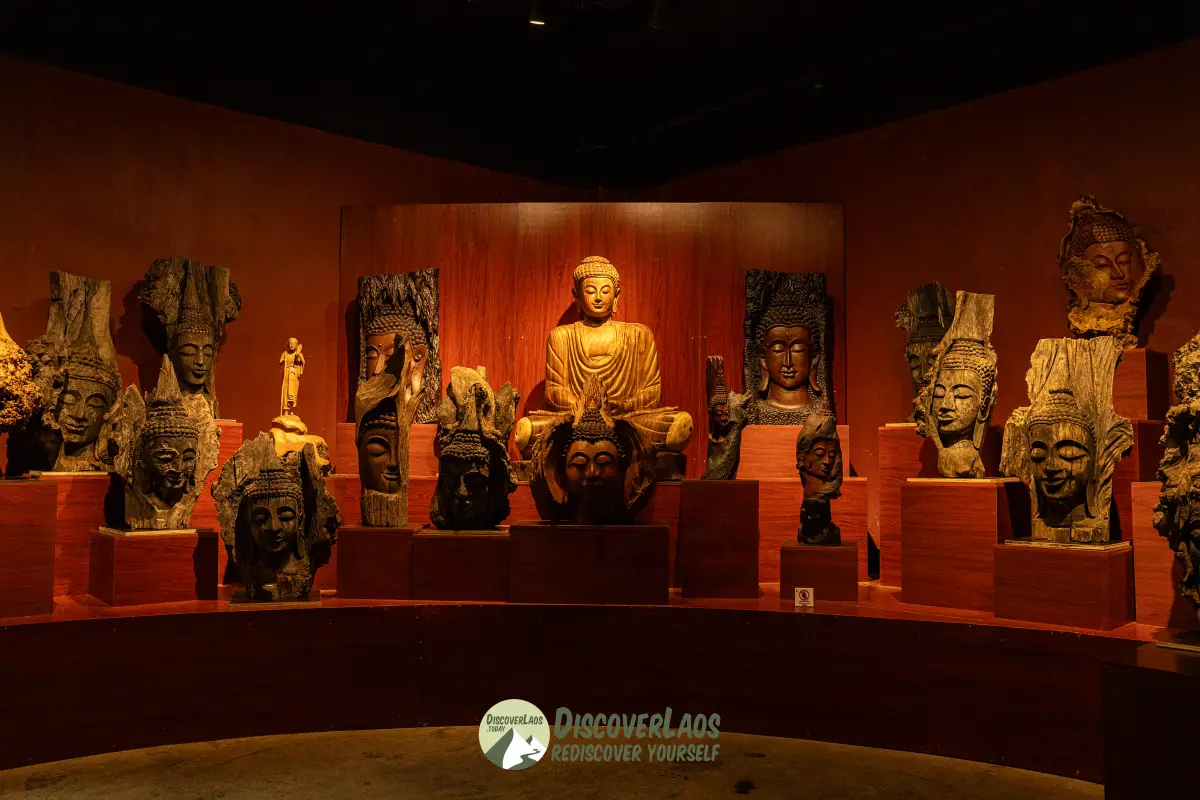
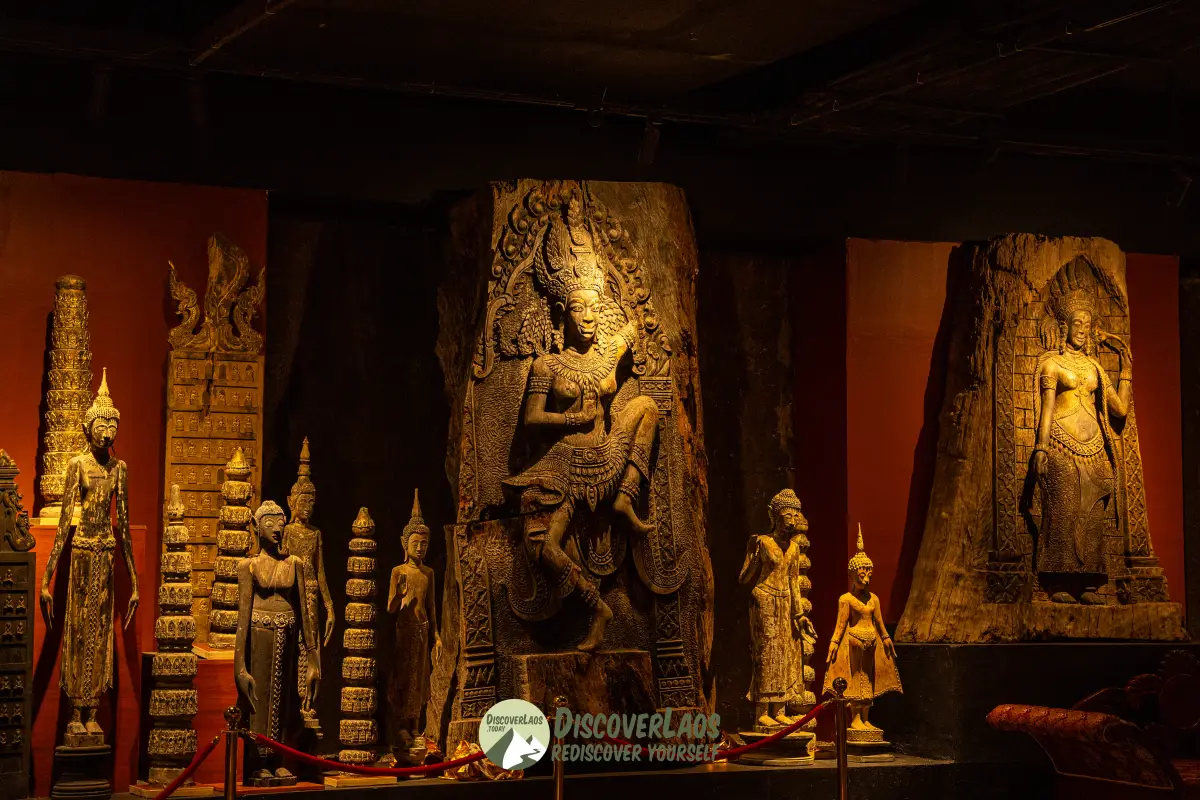
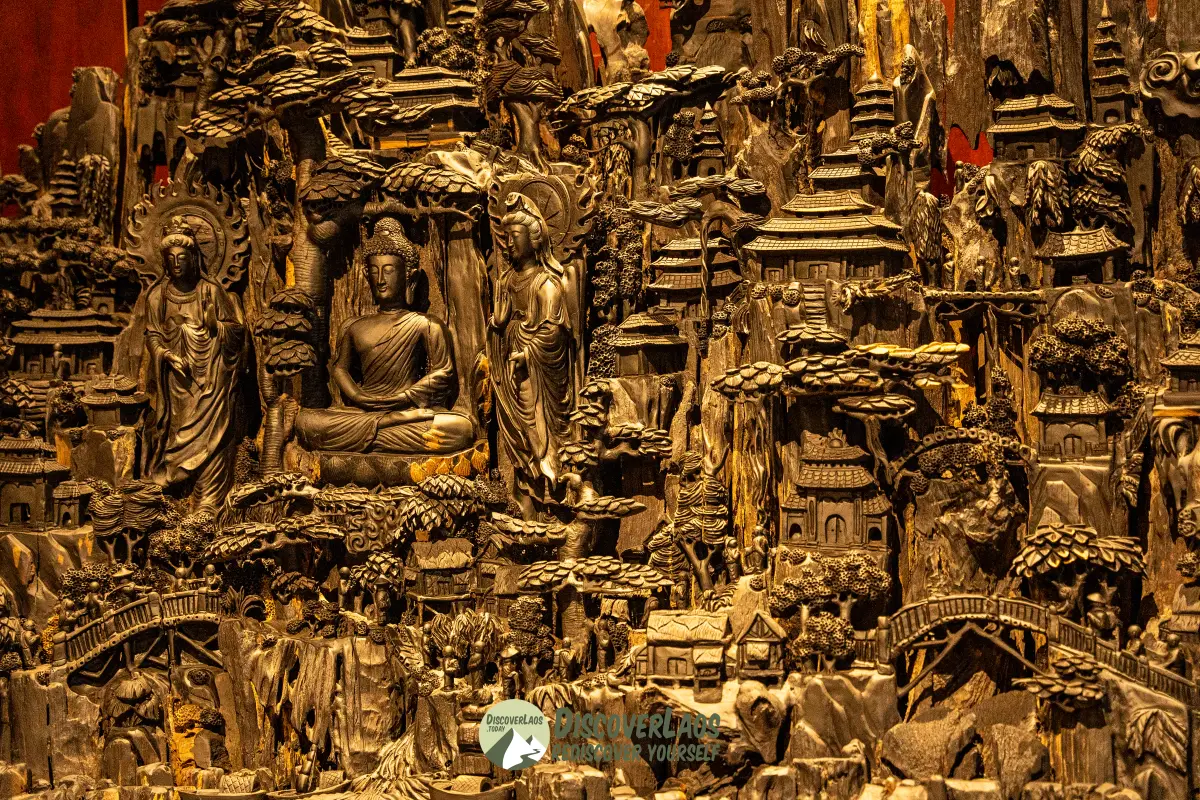
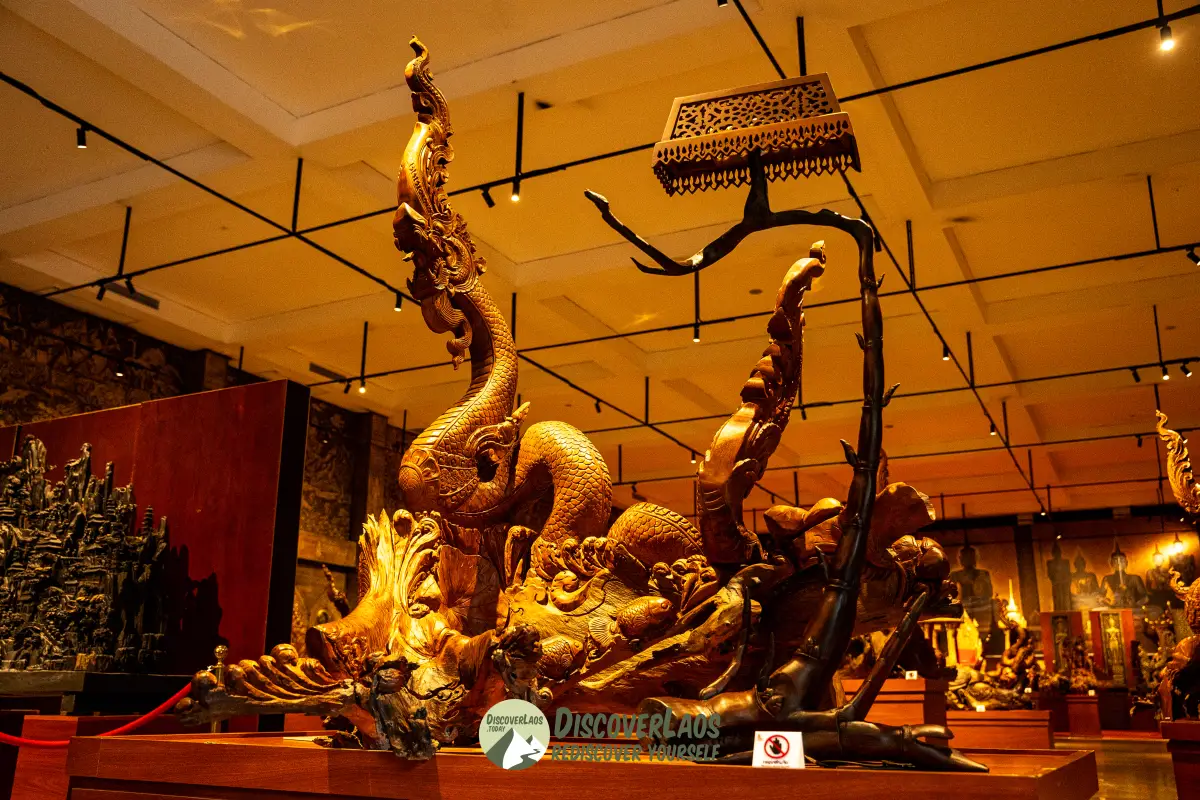
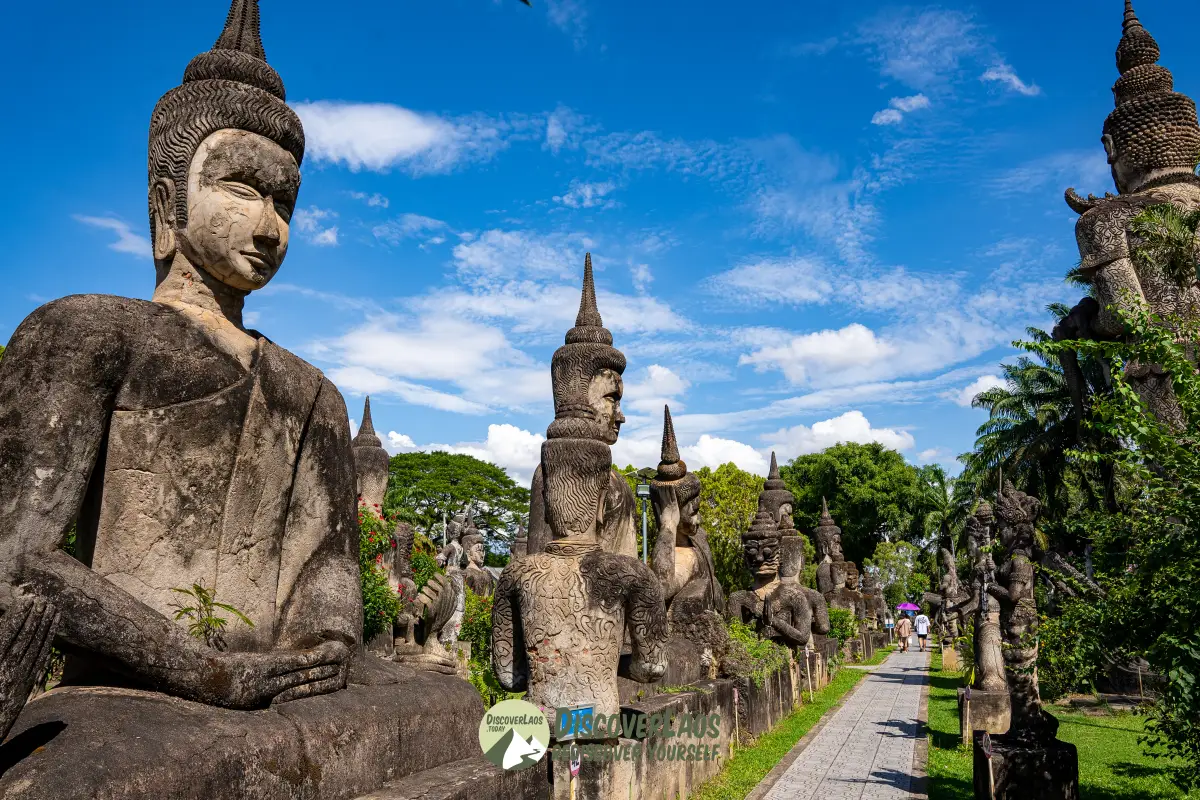
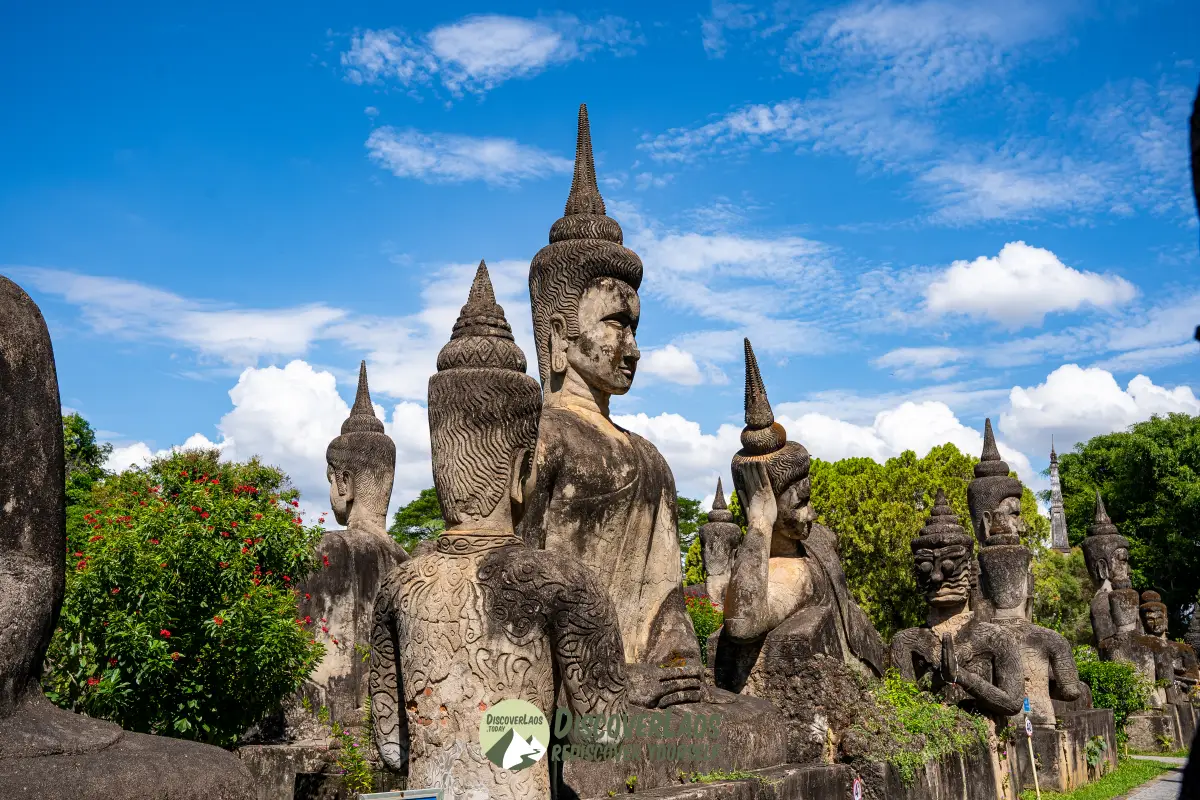
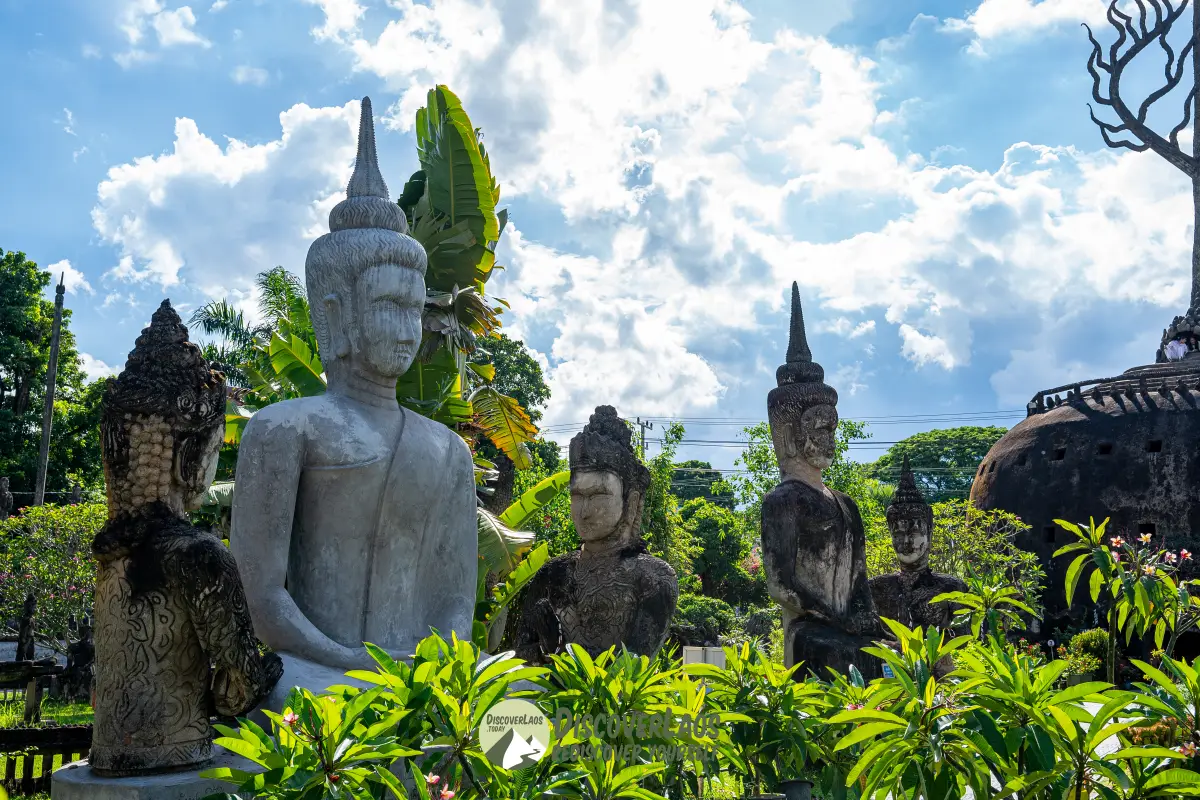
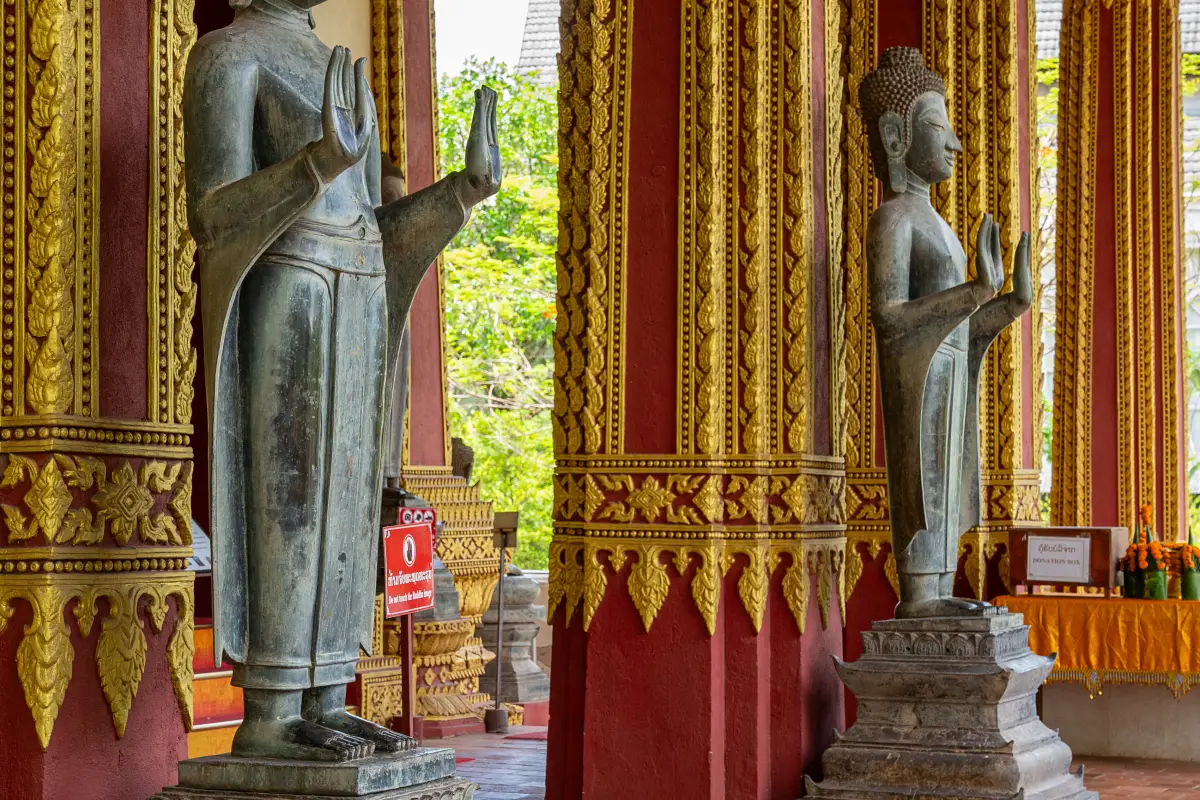
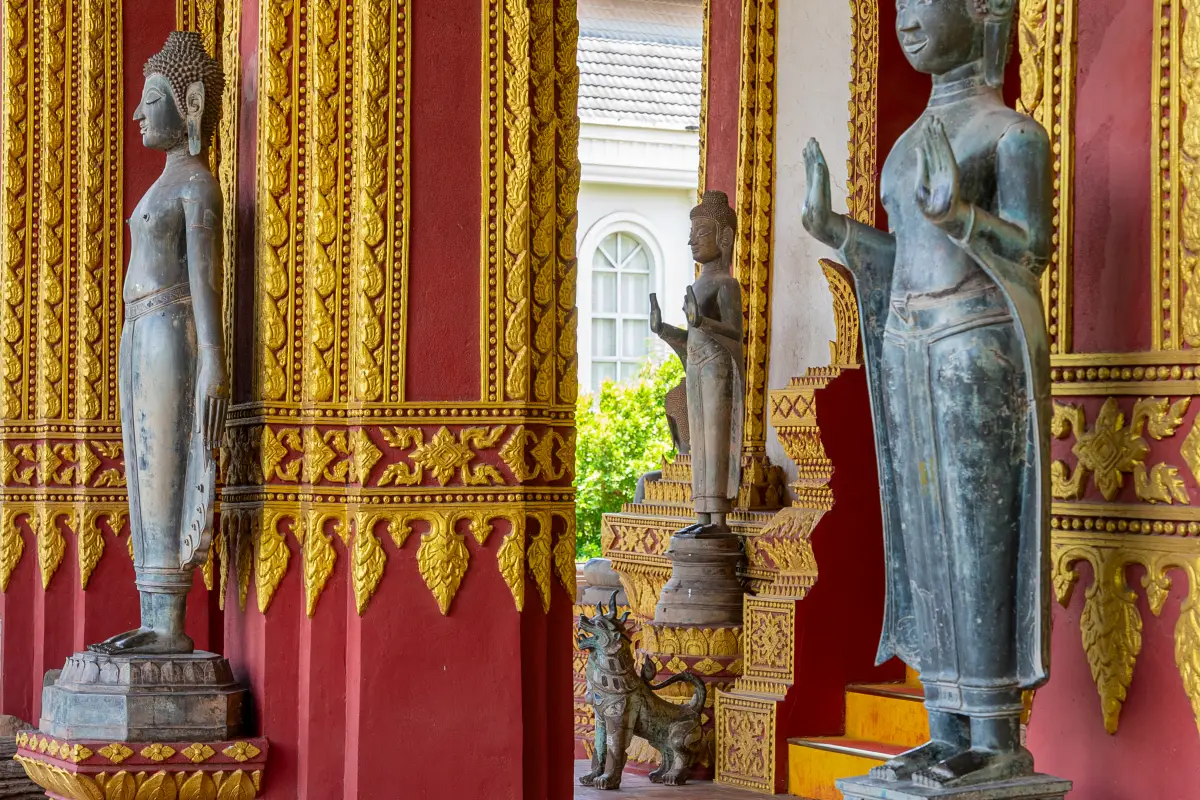
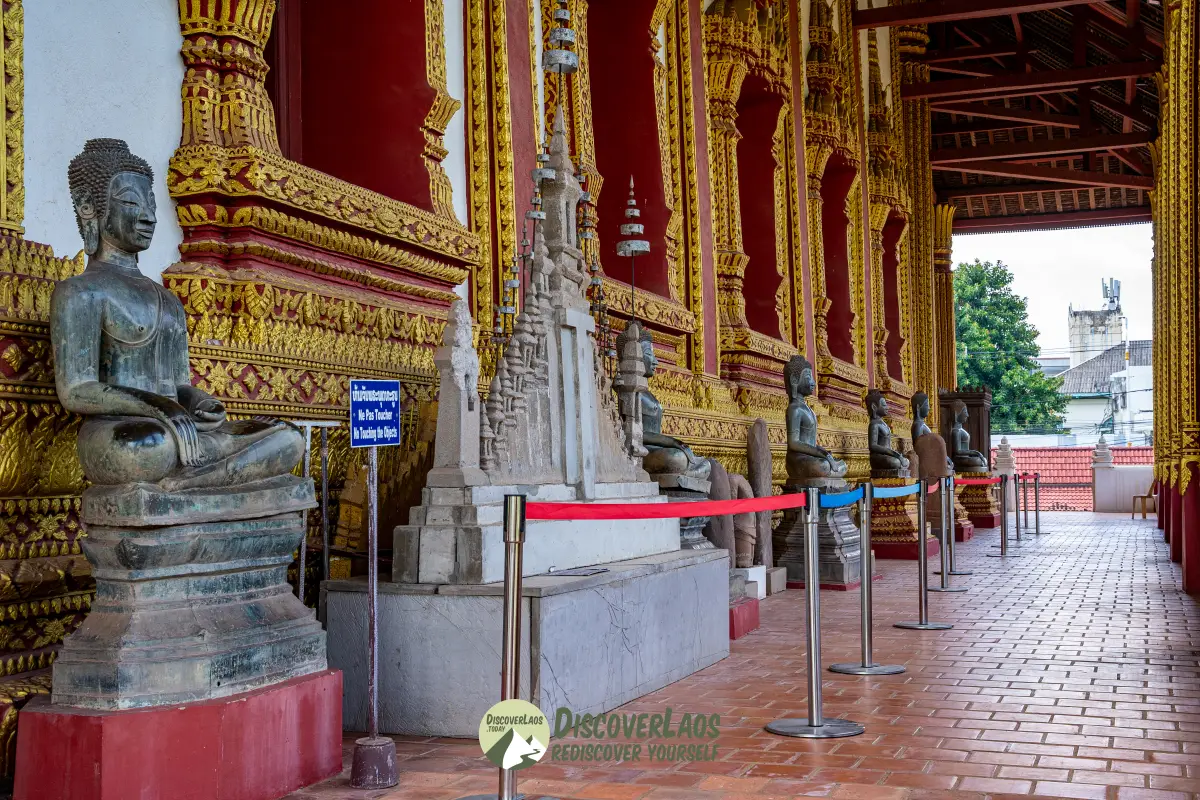
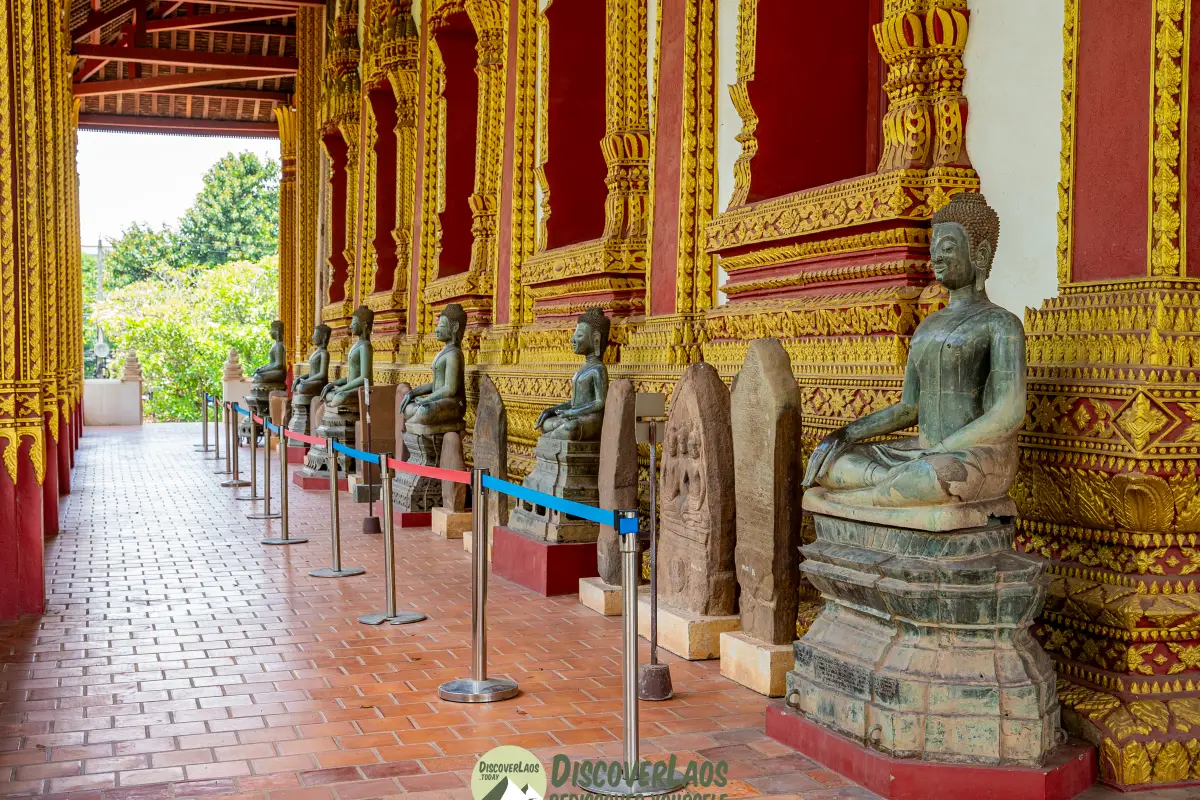
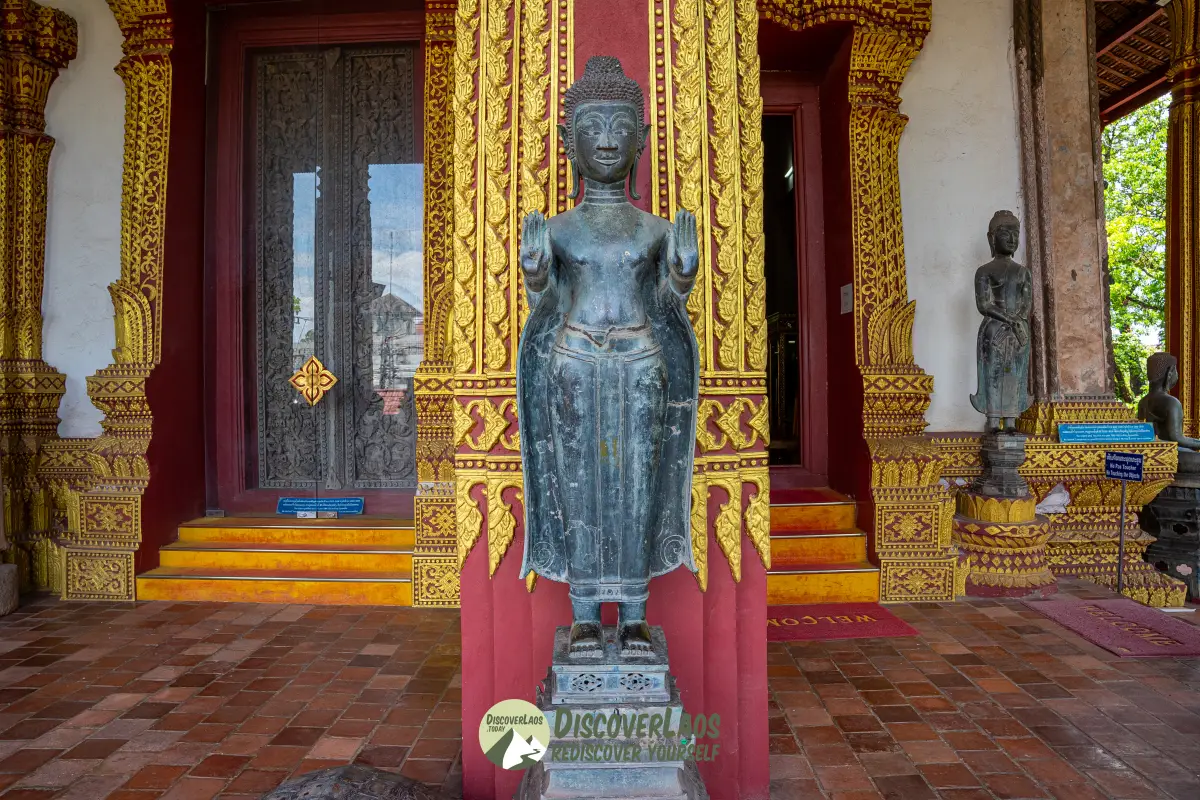
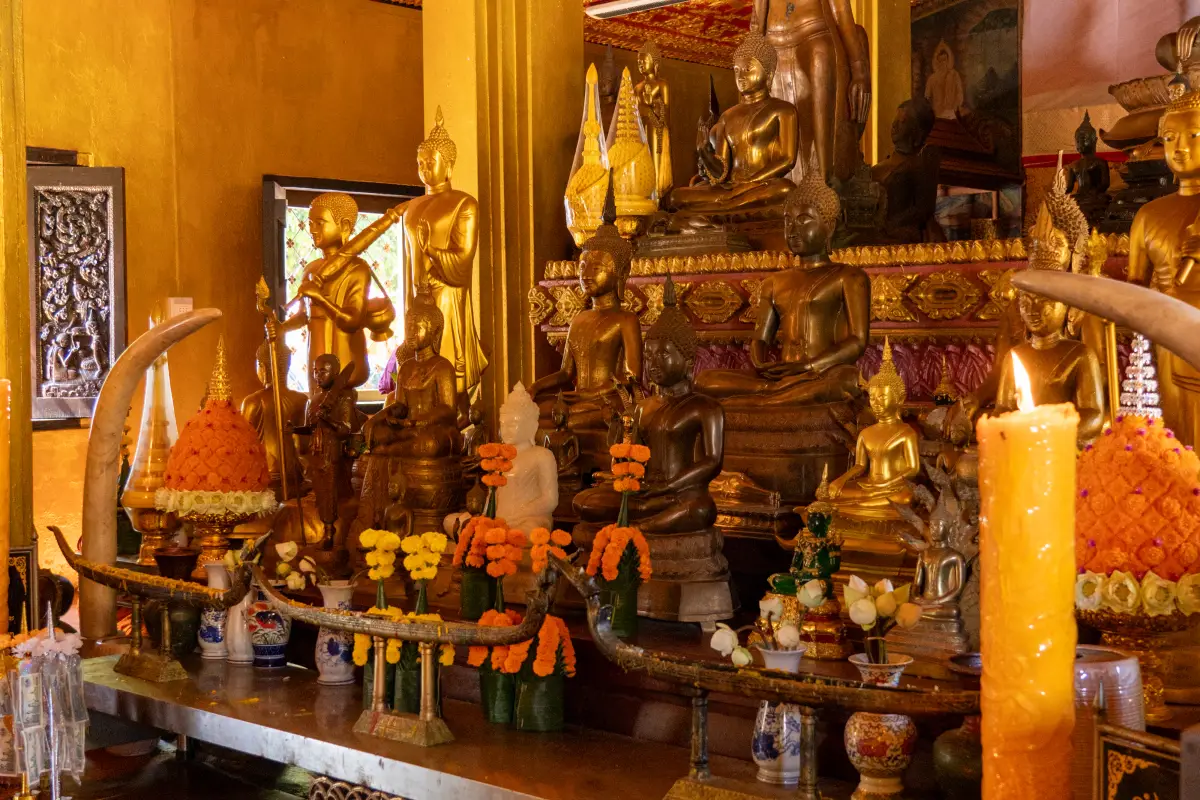
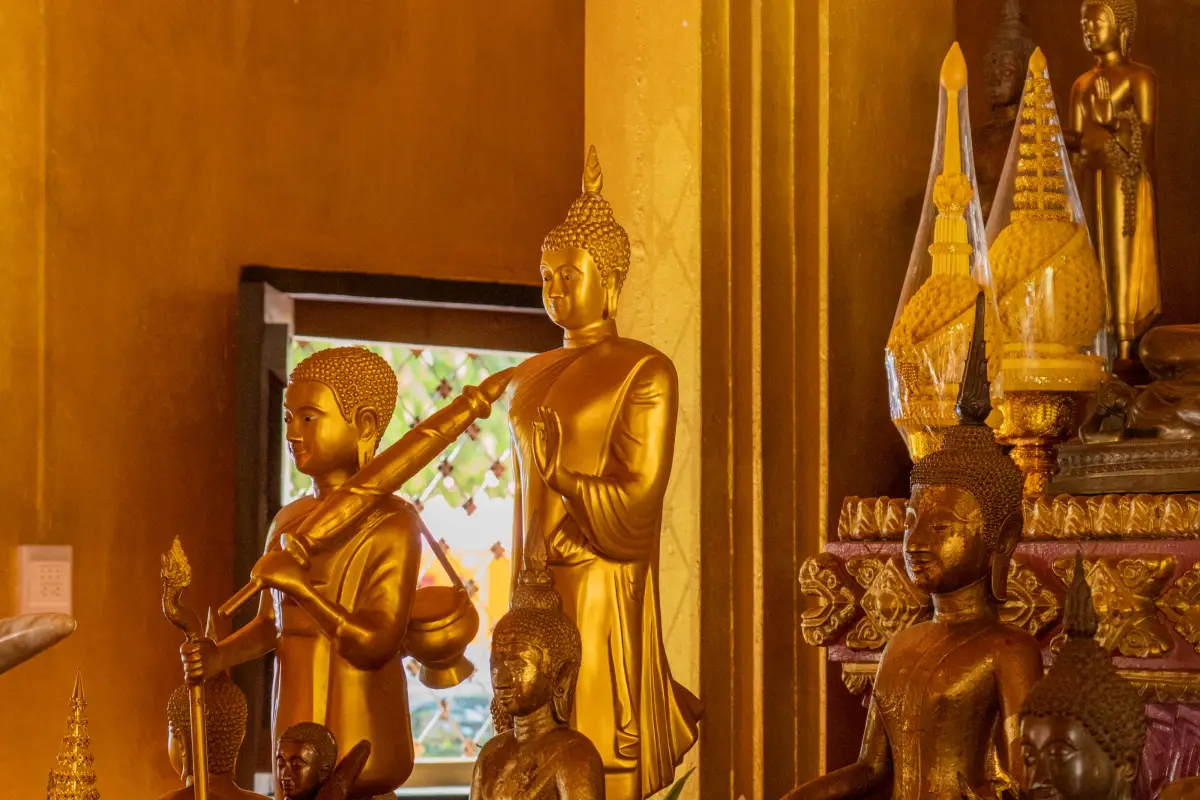
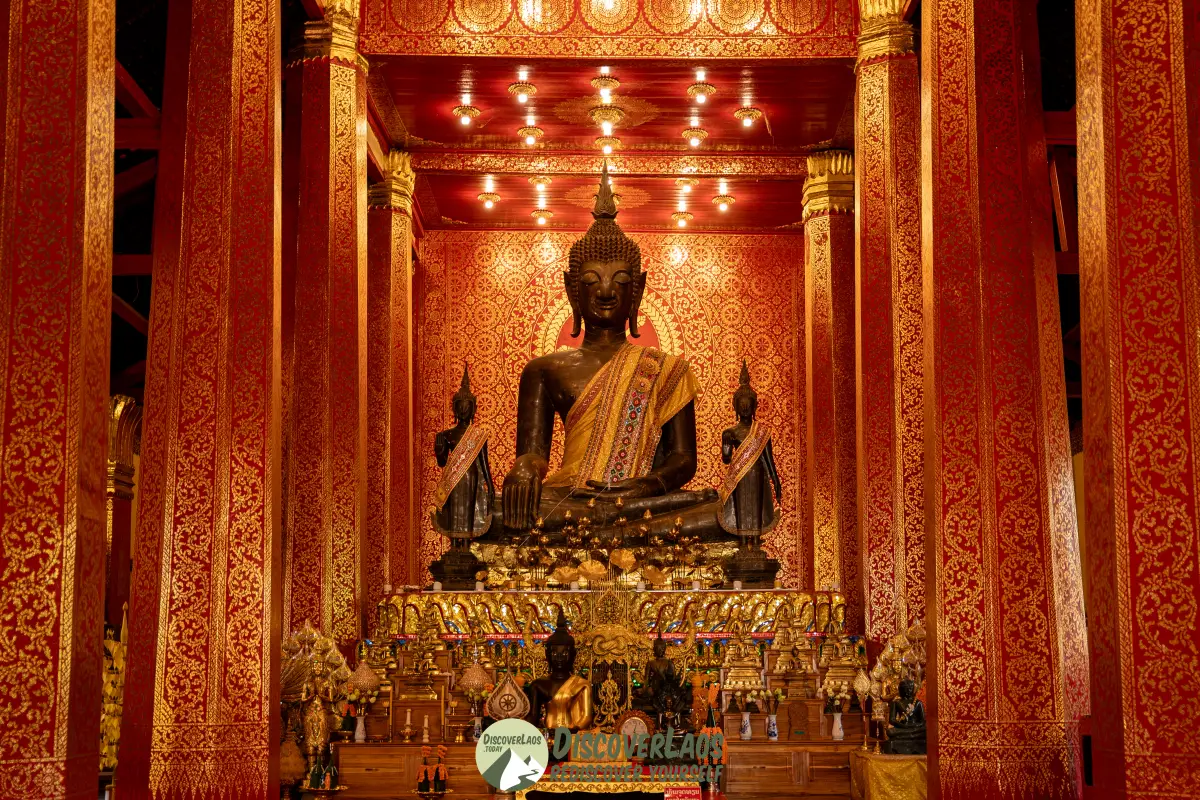
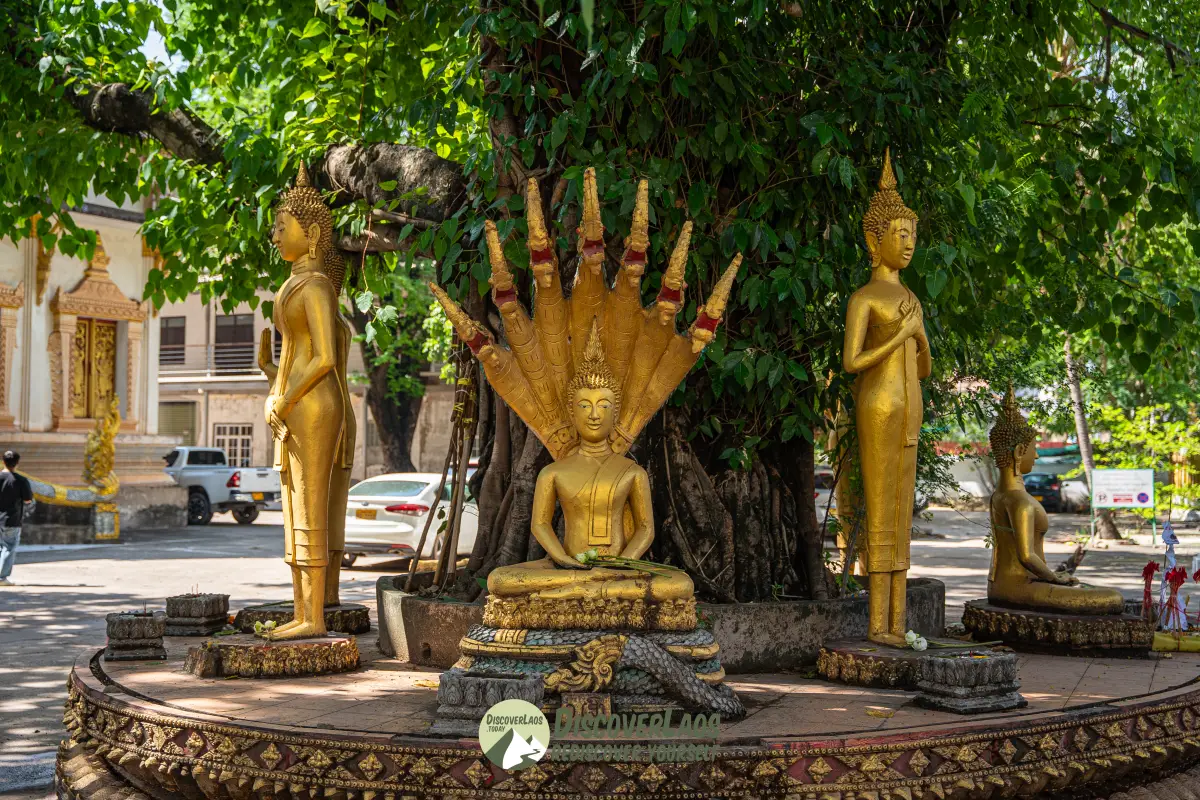
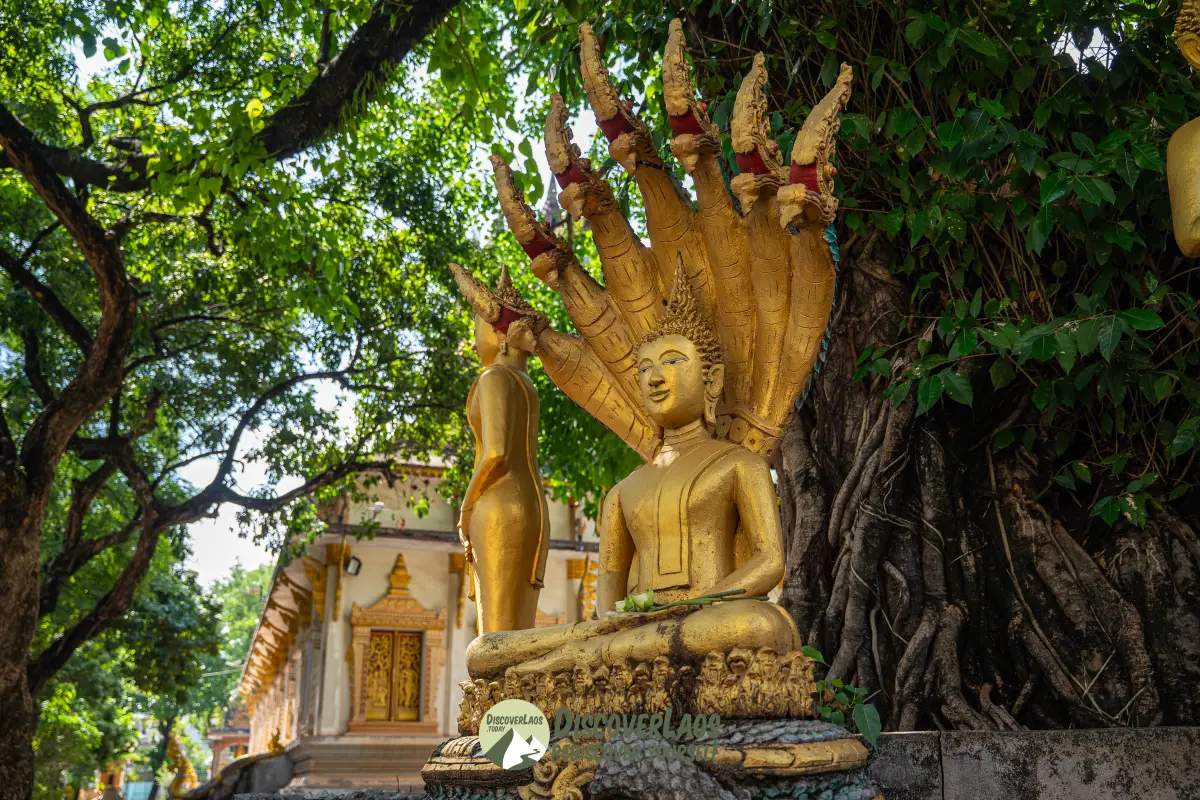
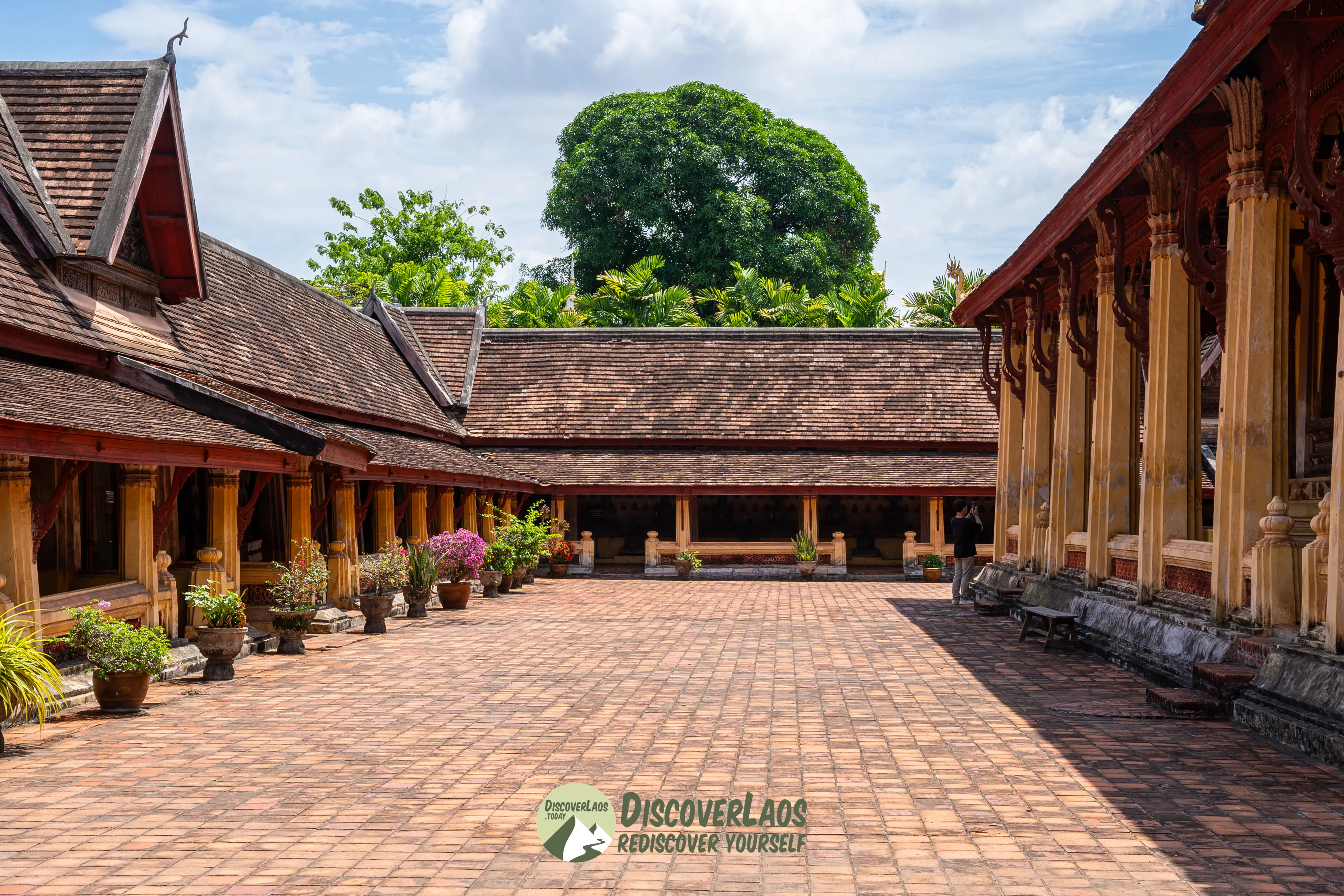
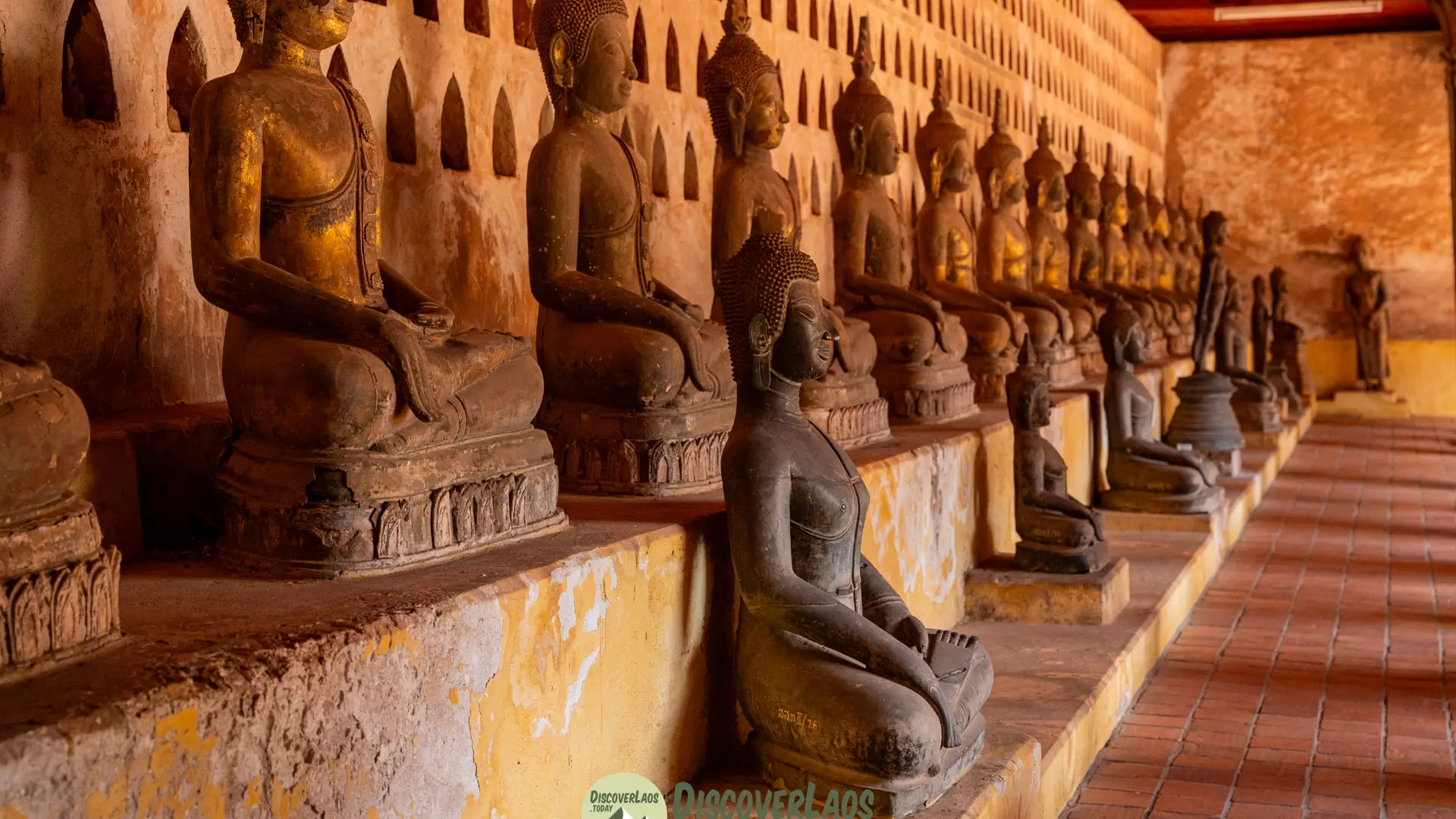
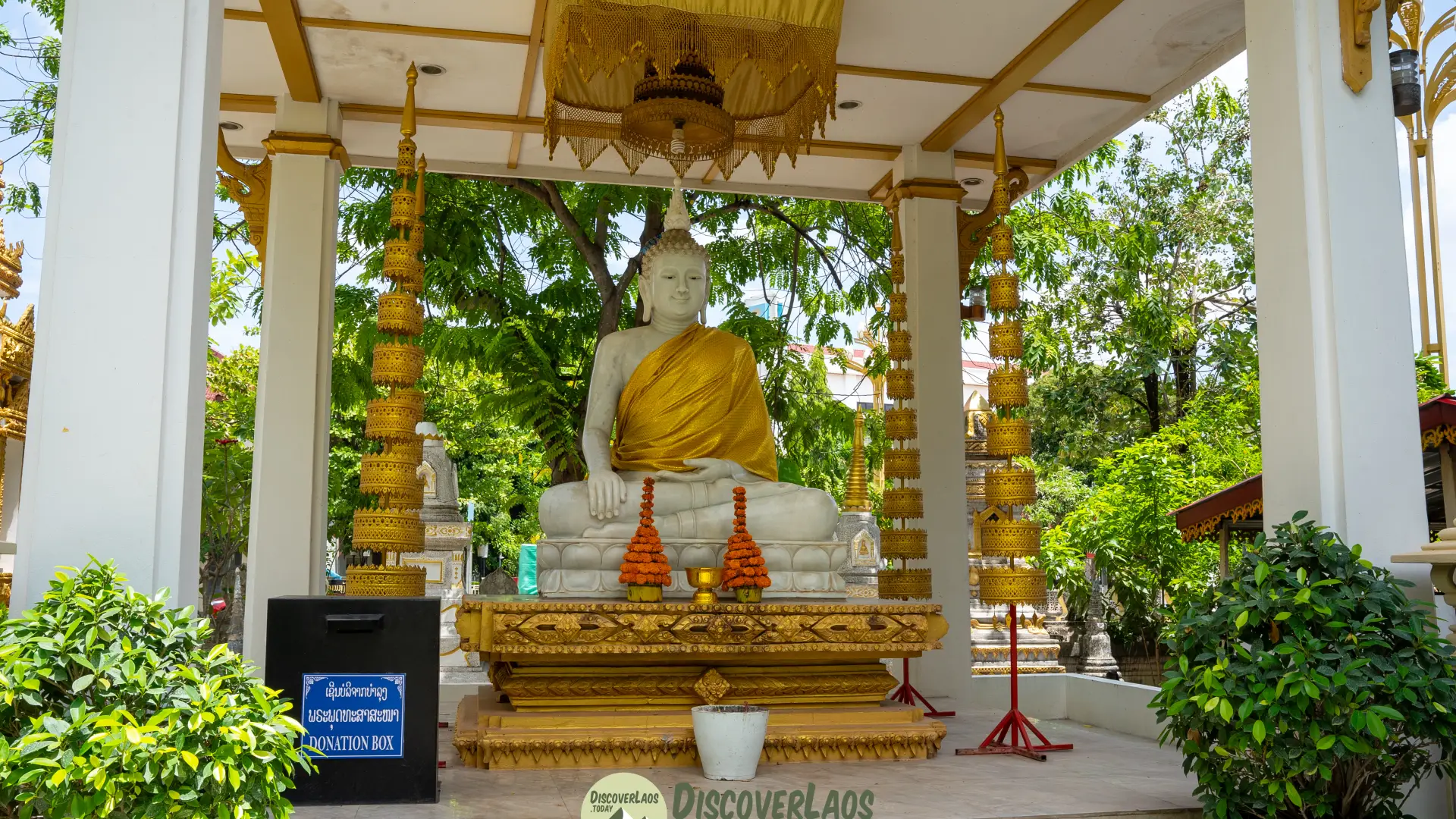
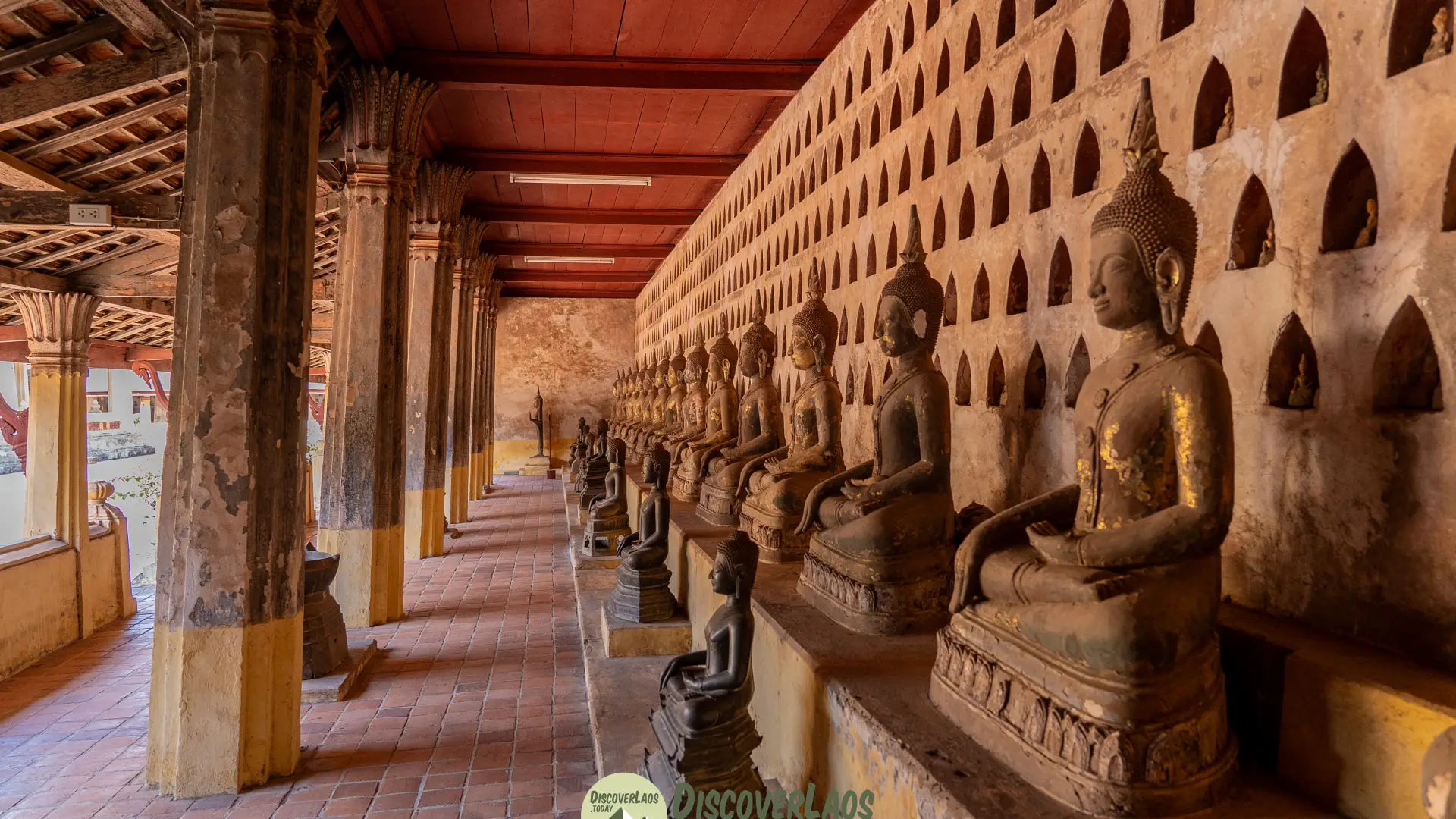
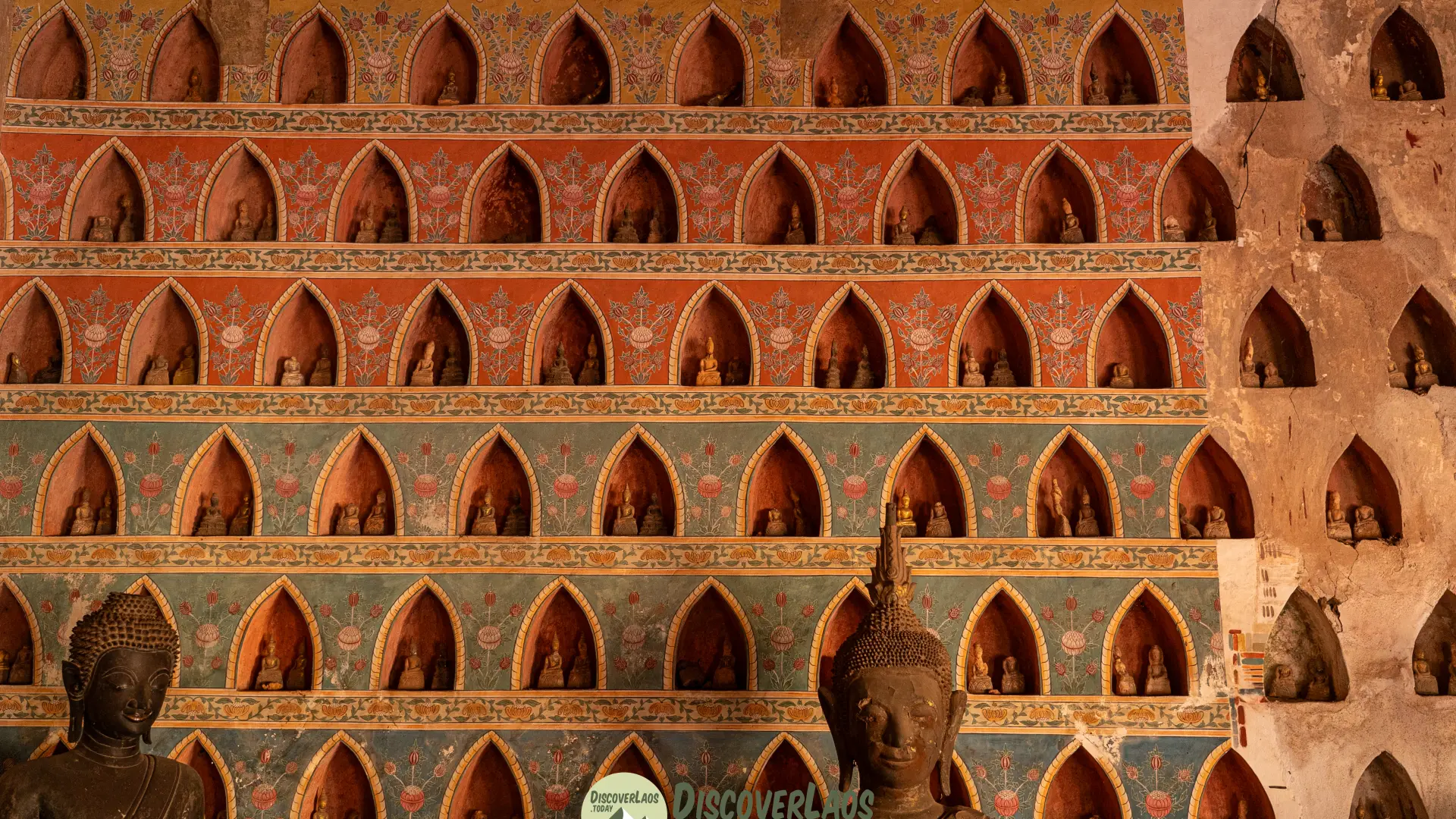
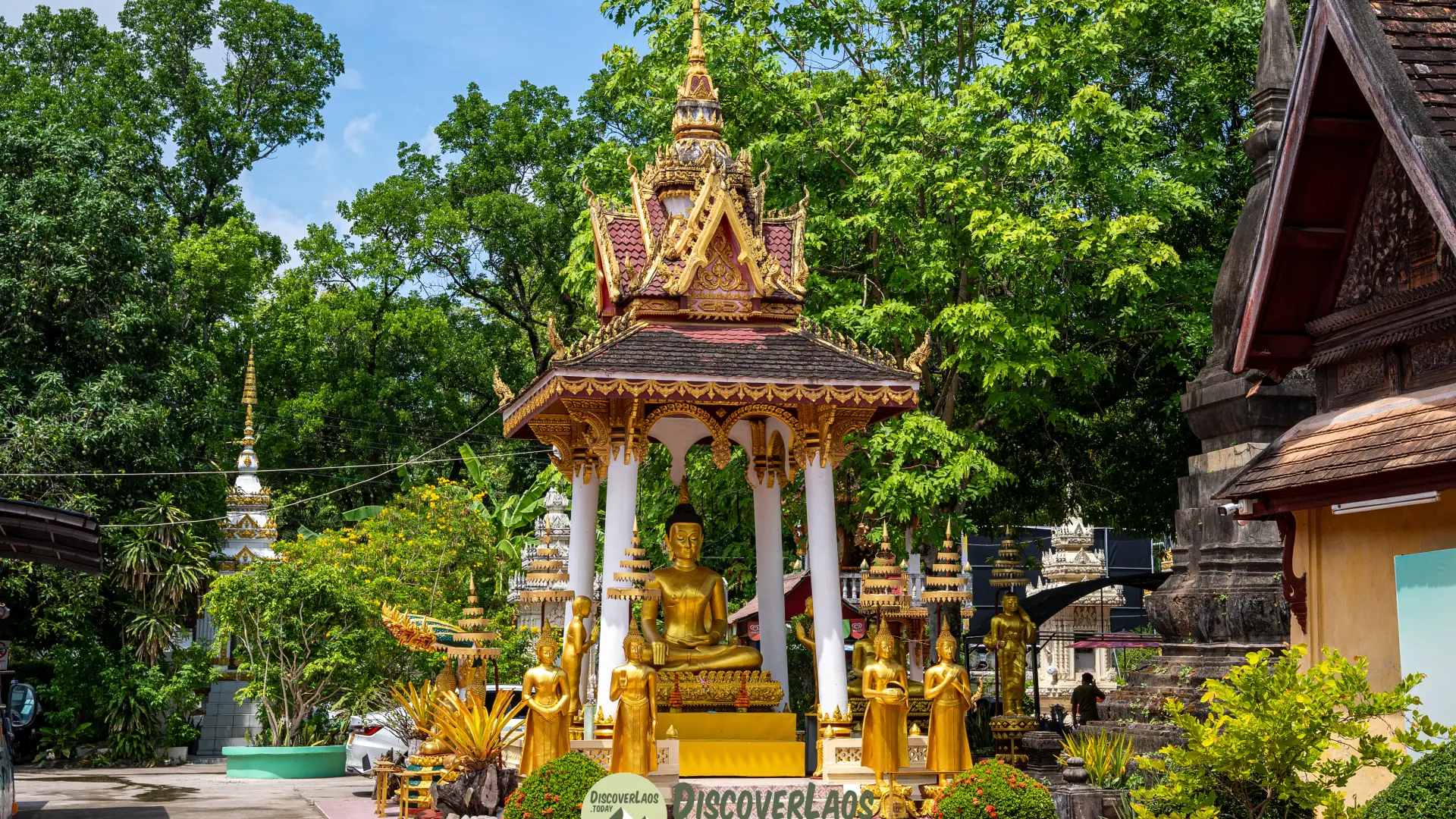
The temple complex is surrounded by a cloistered courtyard lined with walls containing thousands of niches and shelves. These niches house an extraordinary collection of approximately 6,840 Buddha images made from wood, stone, bronze, silver, and ceramic. The statues vary in size, style, and age, with some dating back several centuries, creating one of the most impressive collections of Buddhist imagery in Southeast Asia.
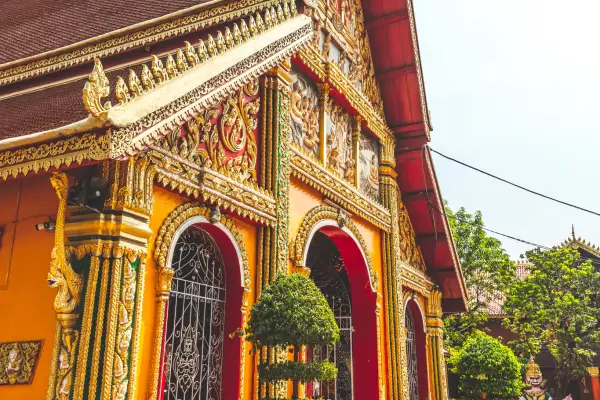
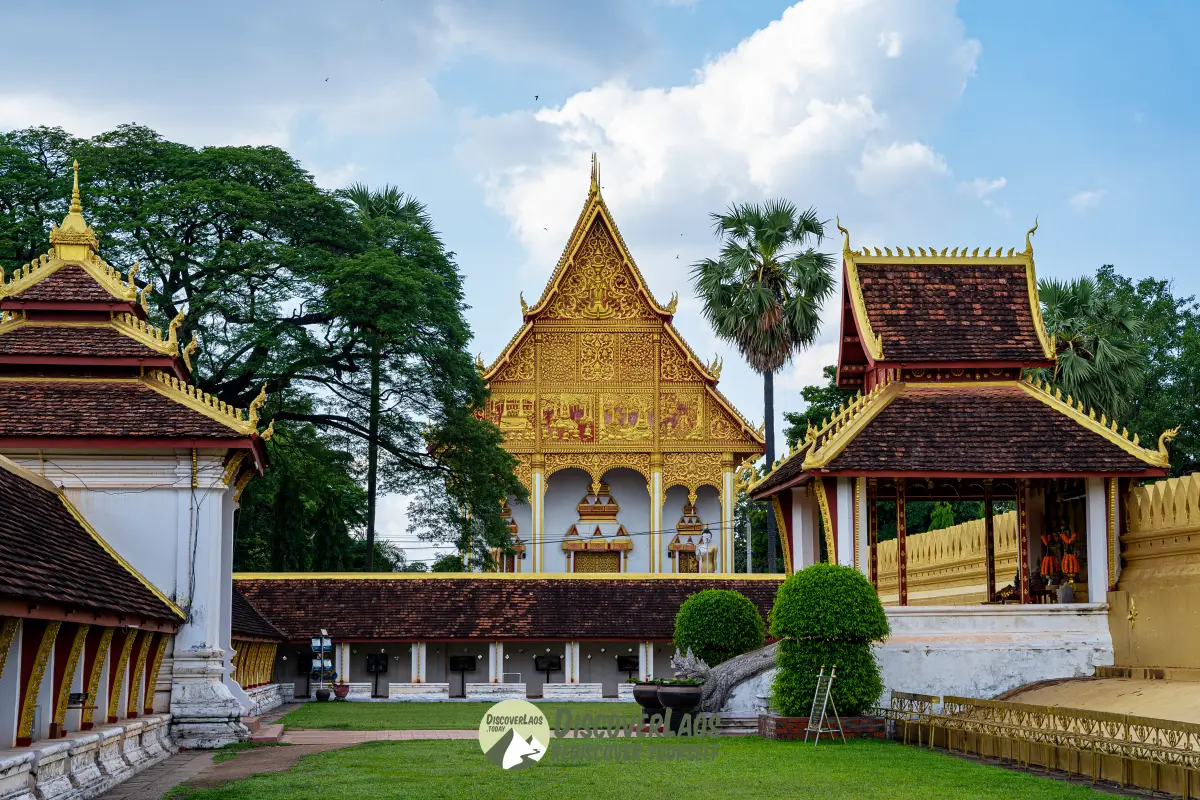
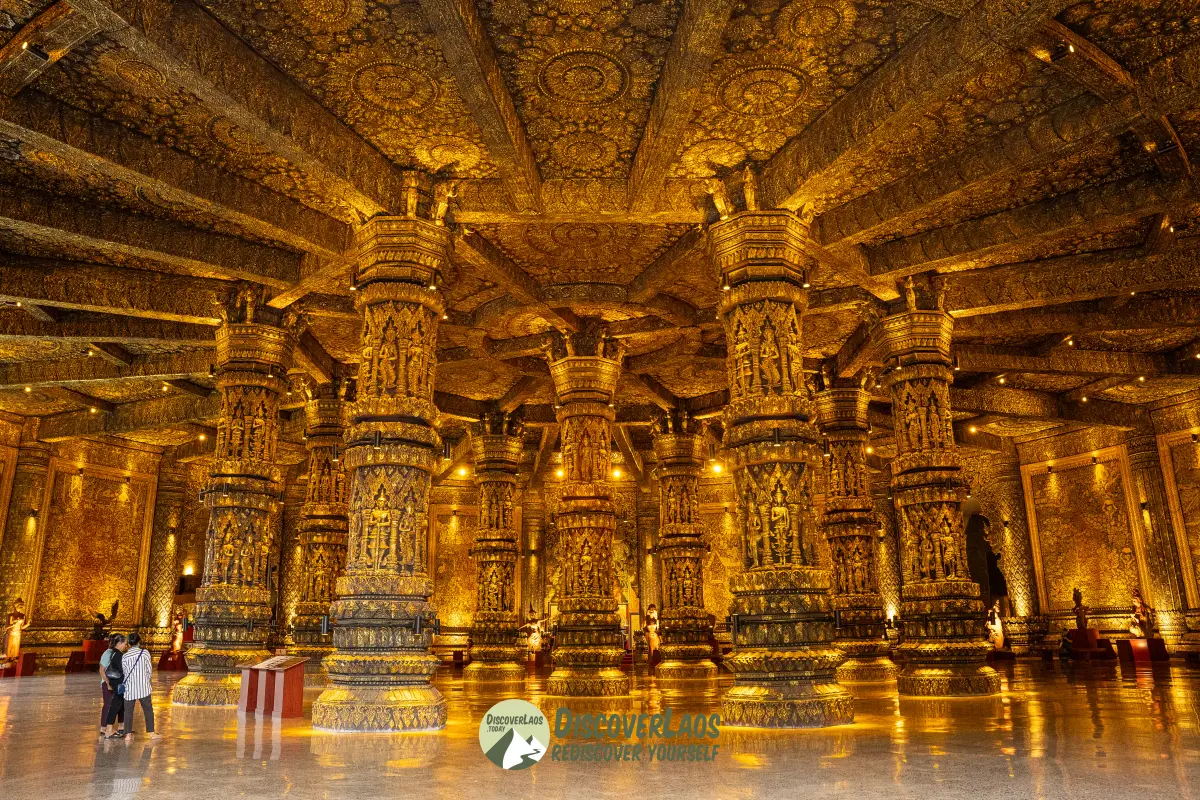
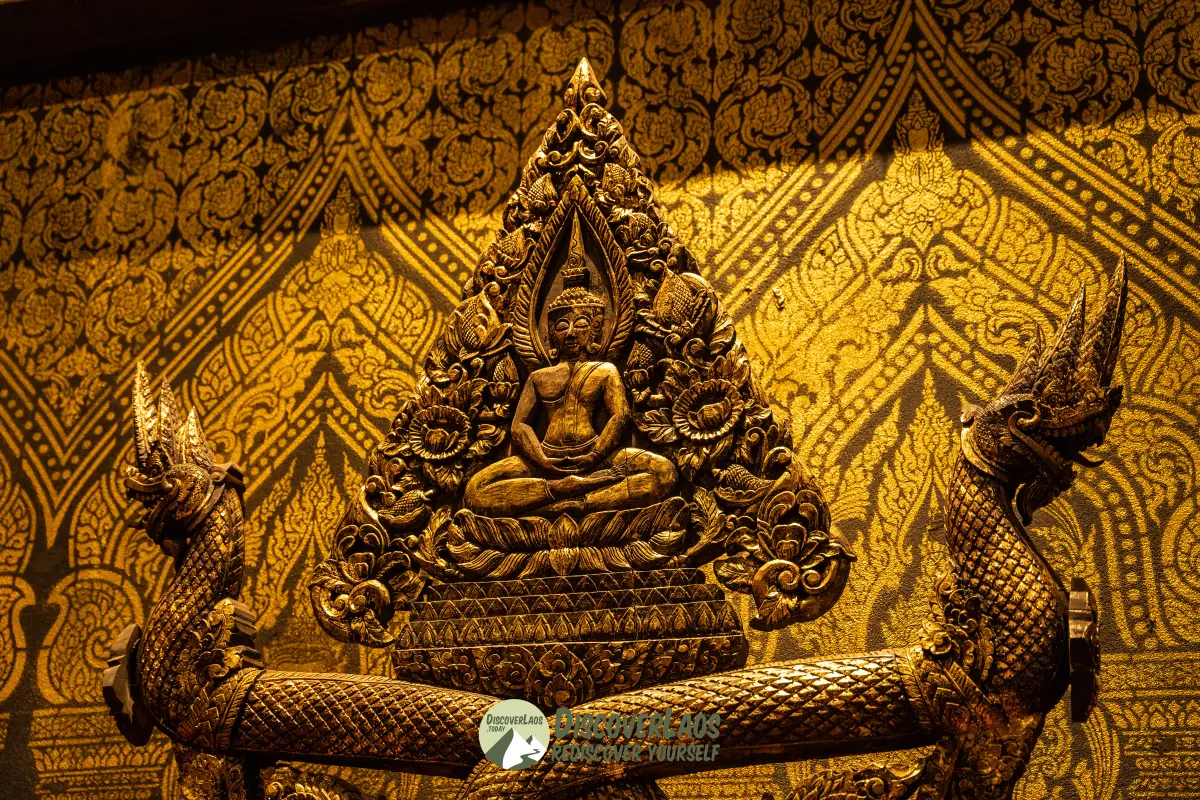
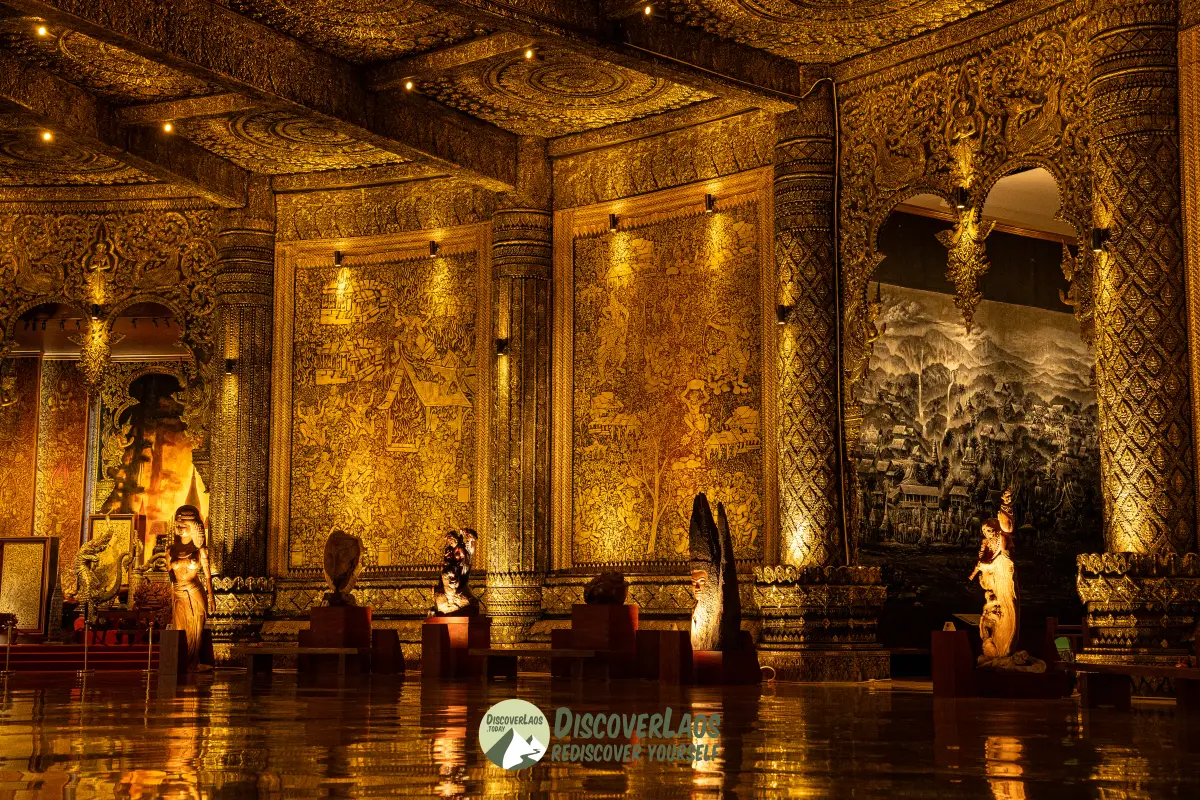
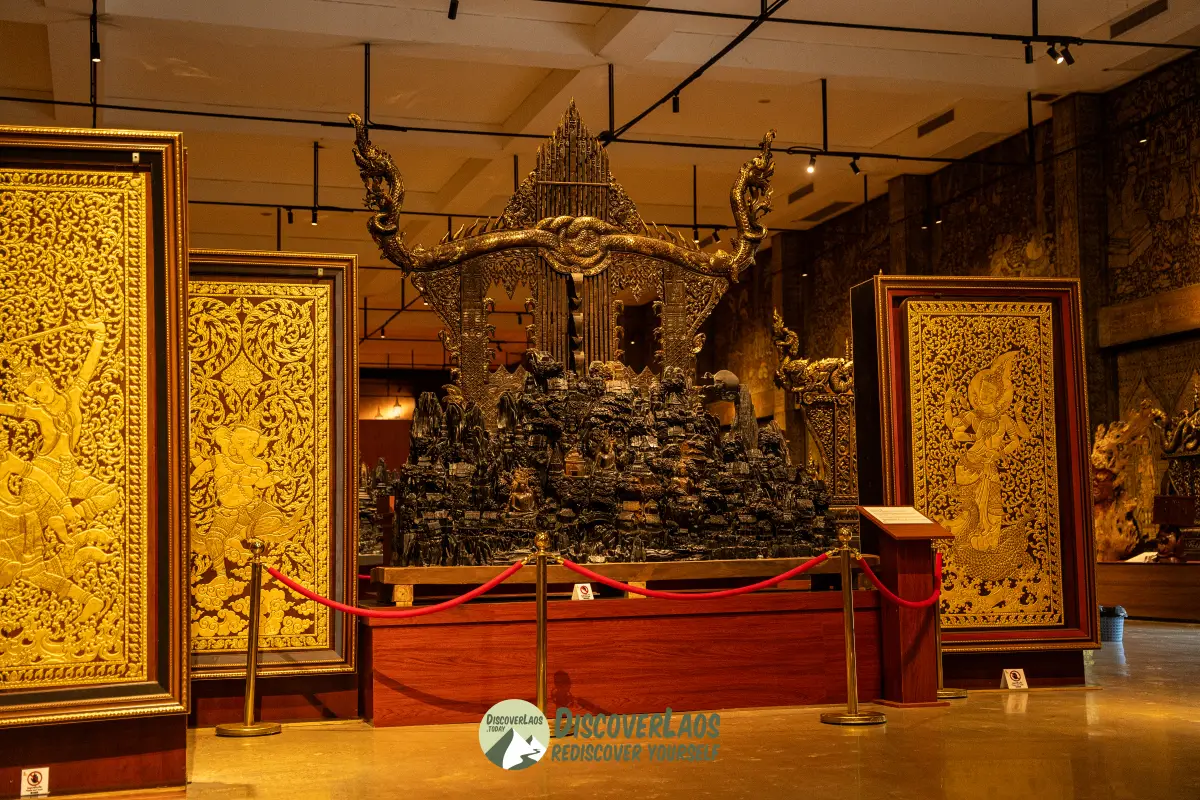
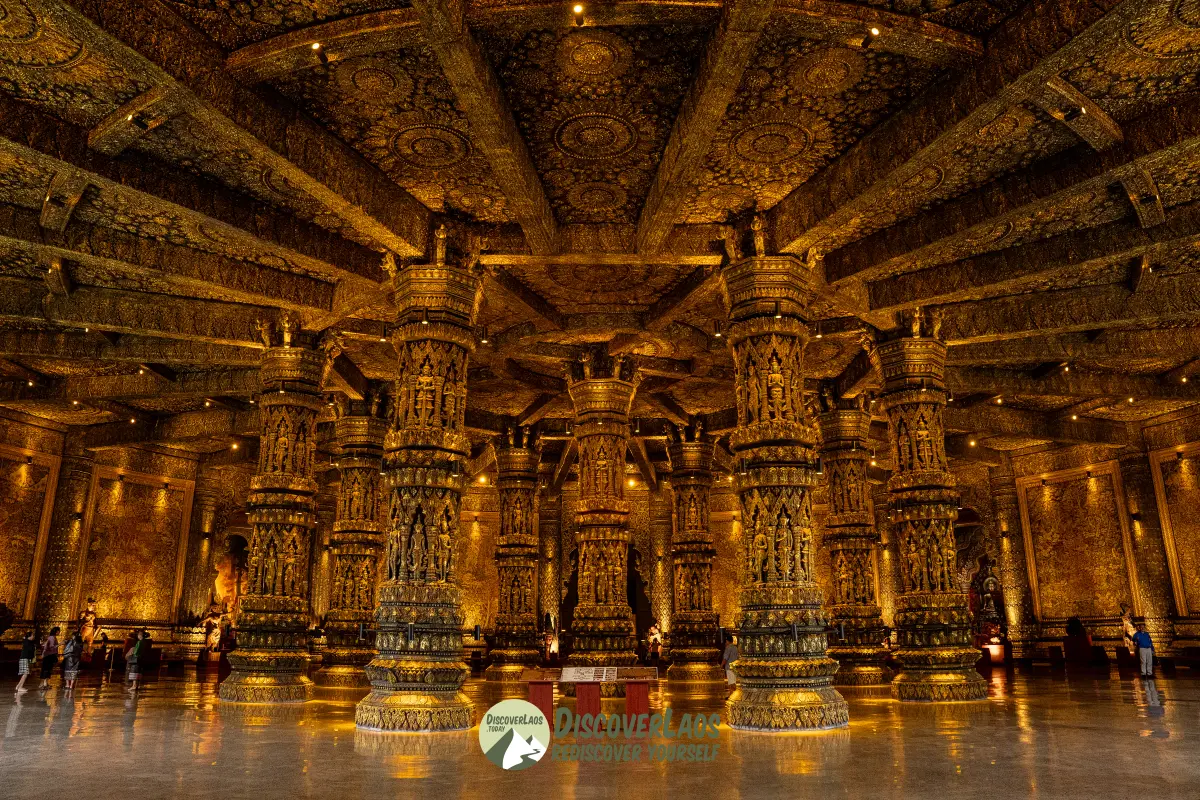
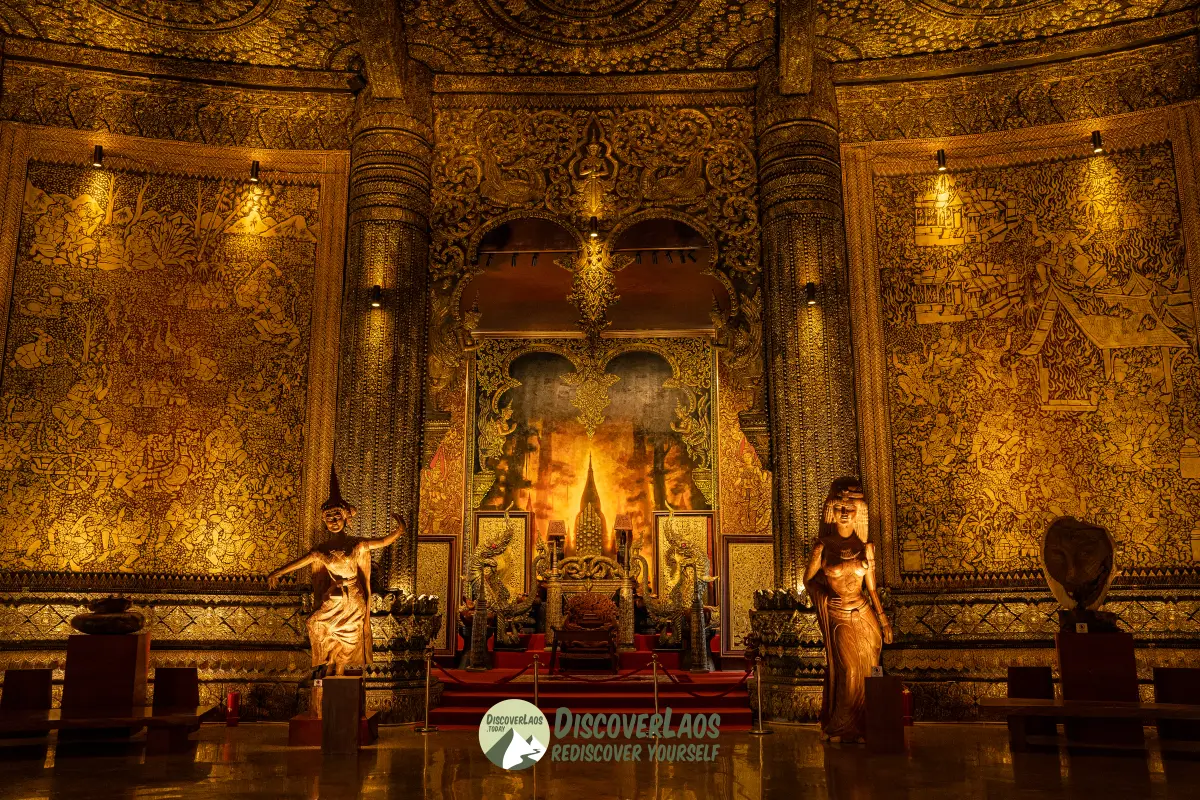
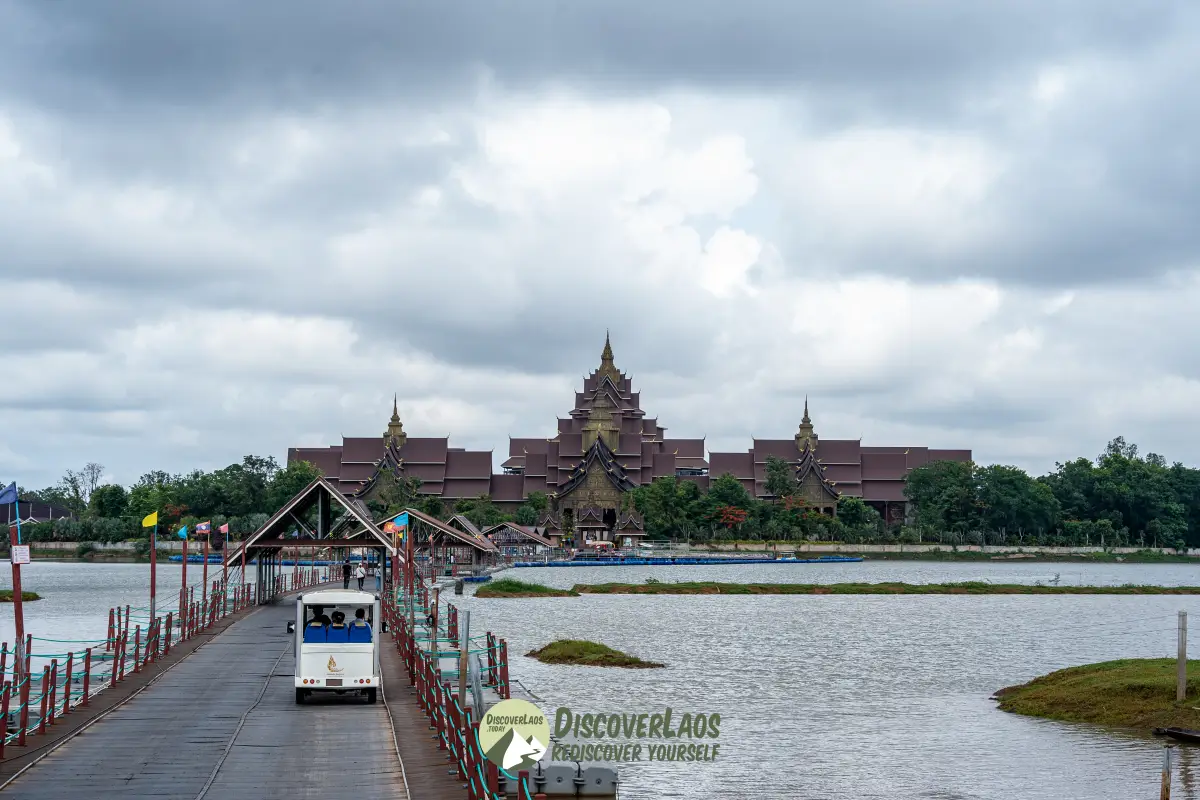
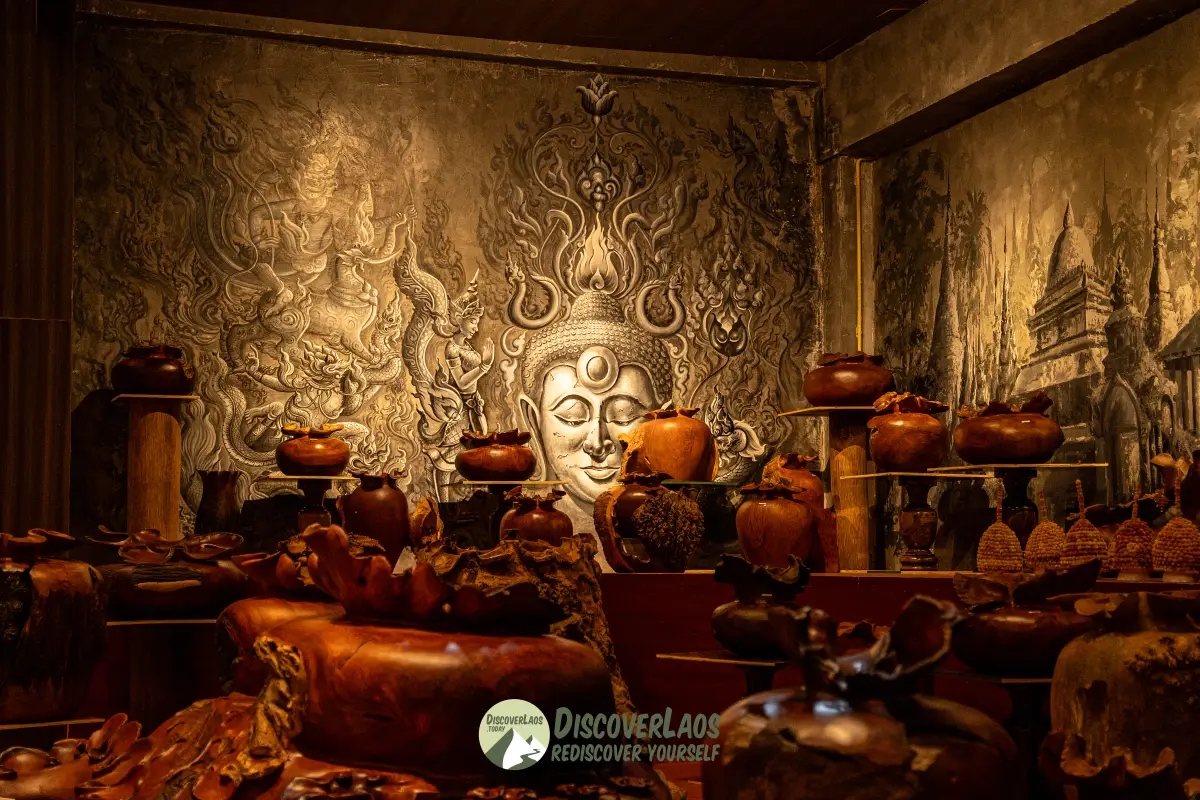
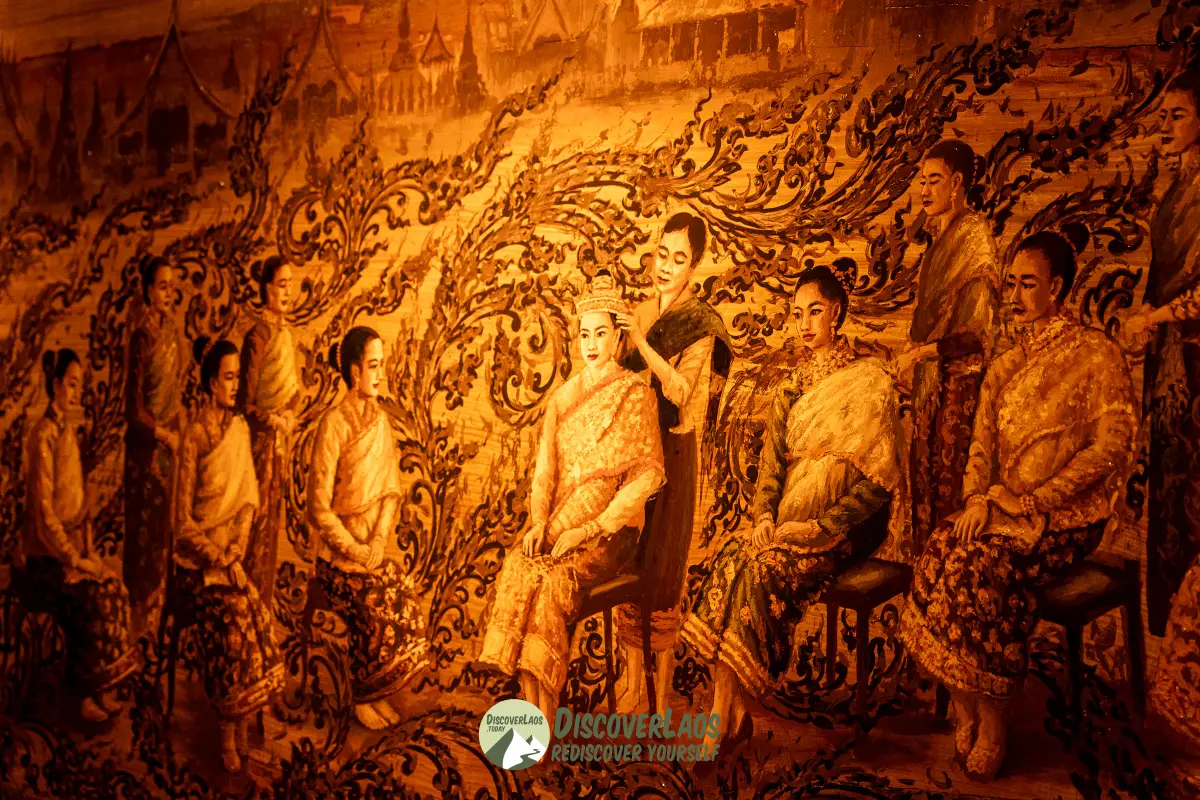
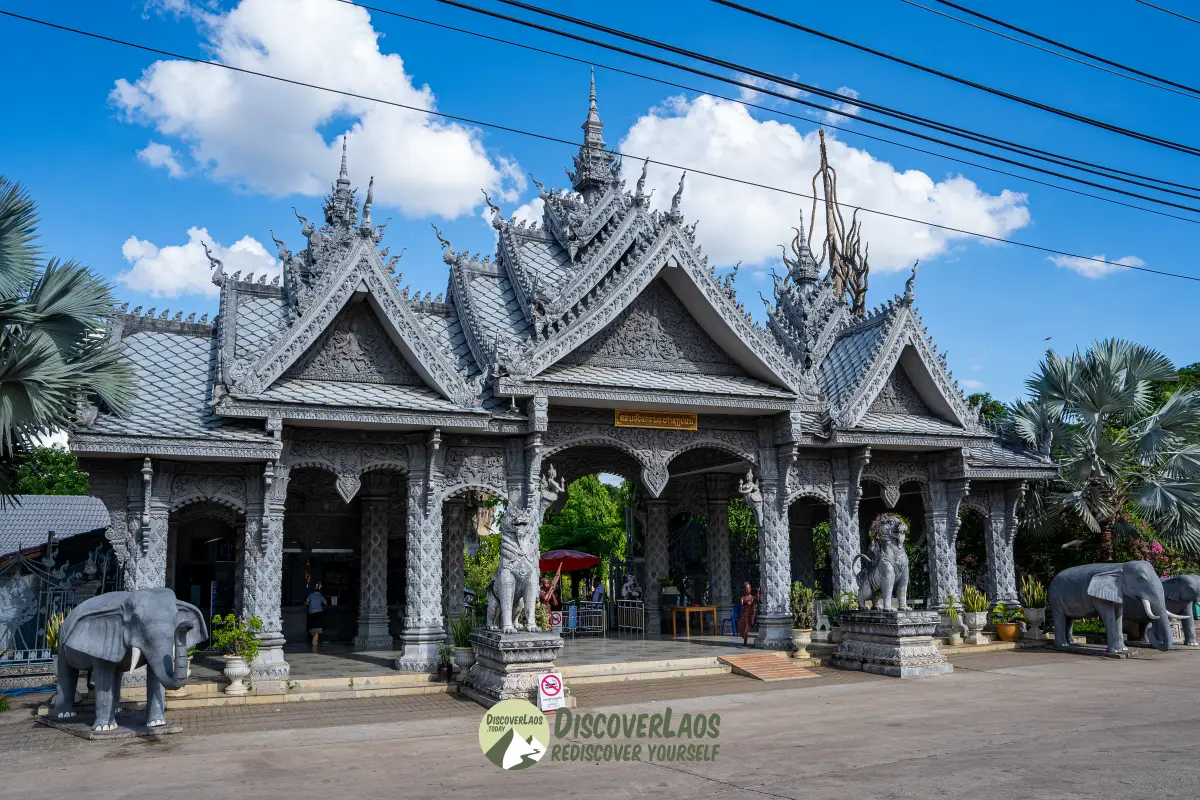
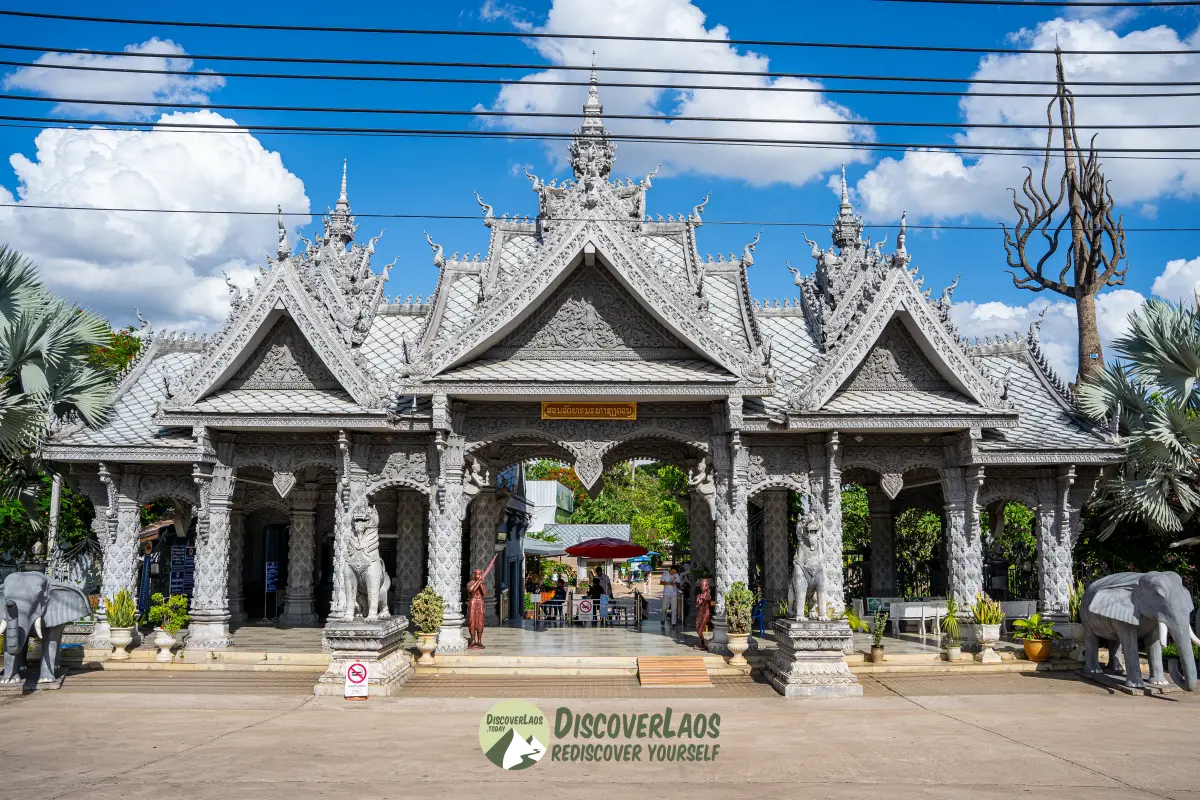
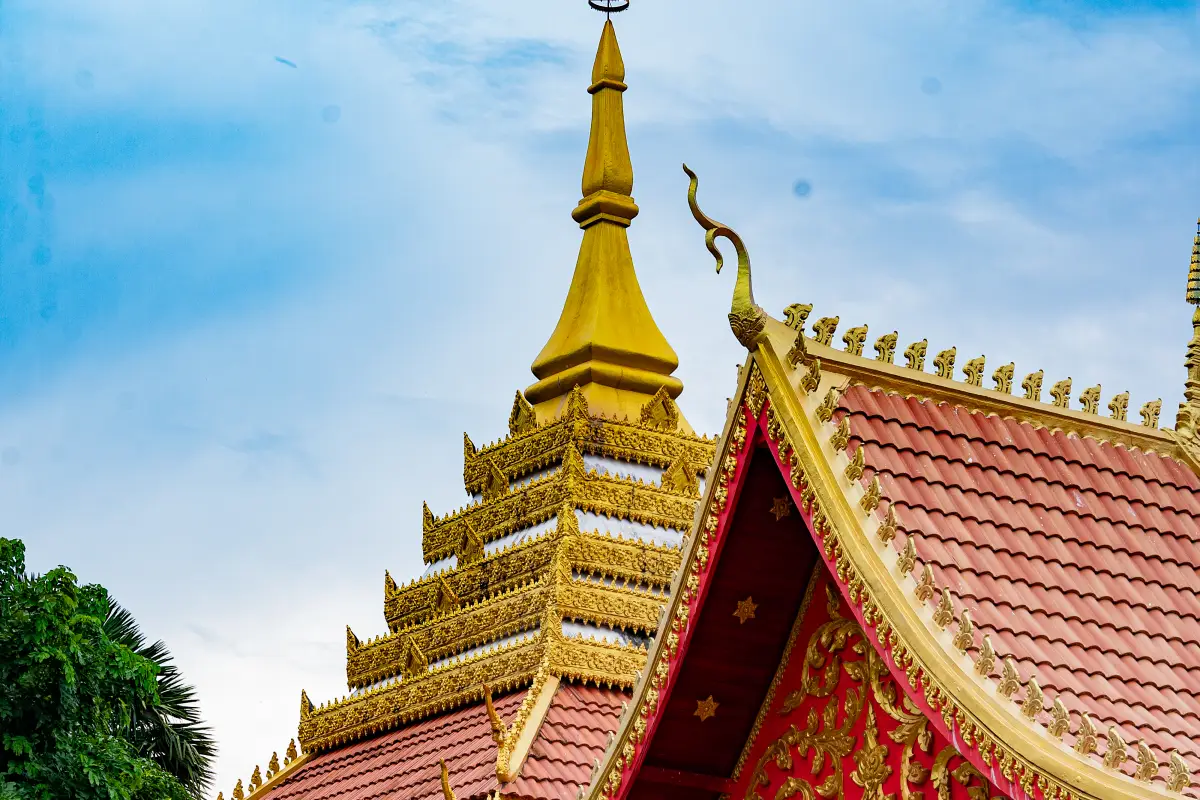
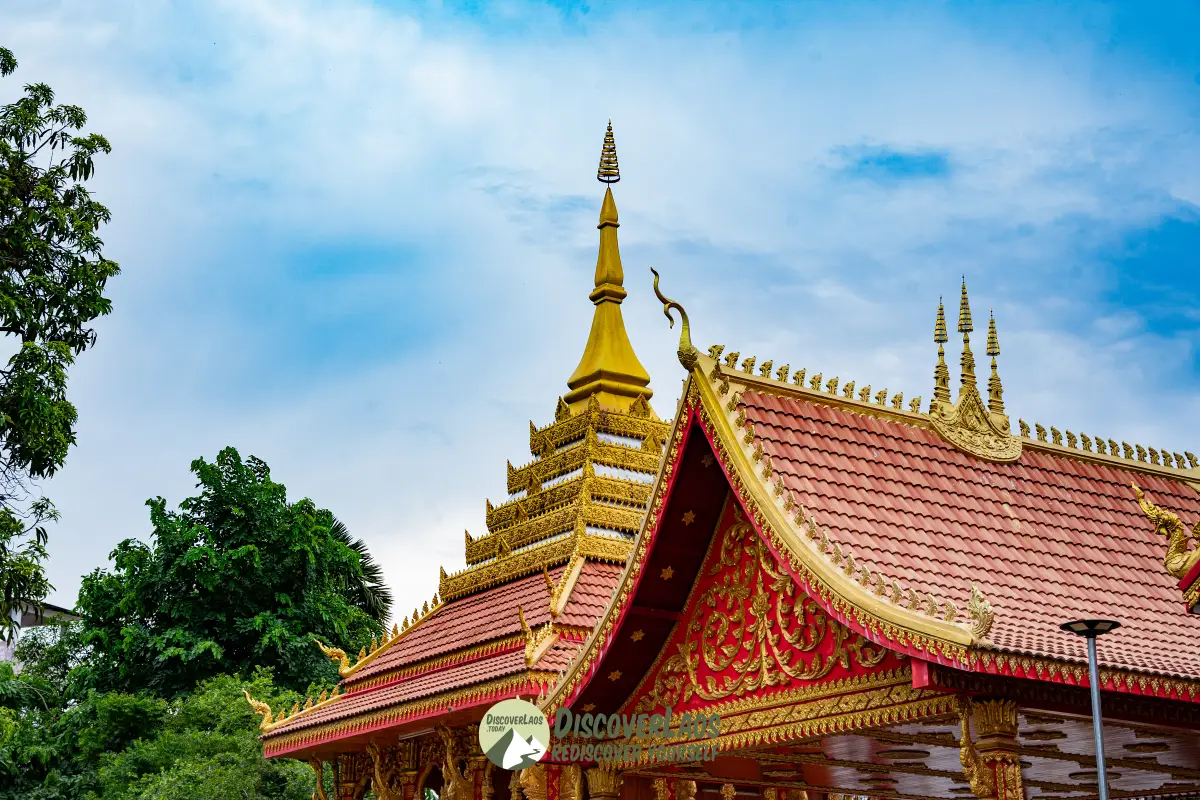
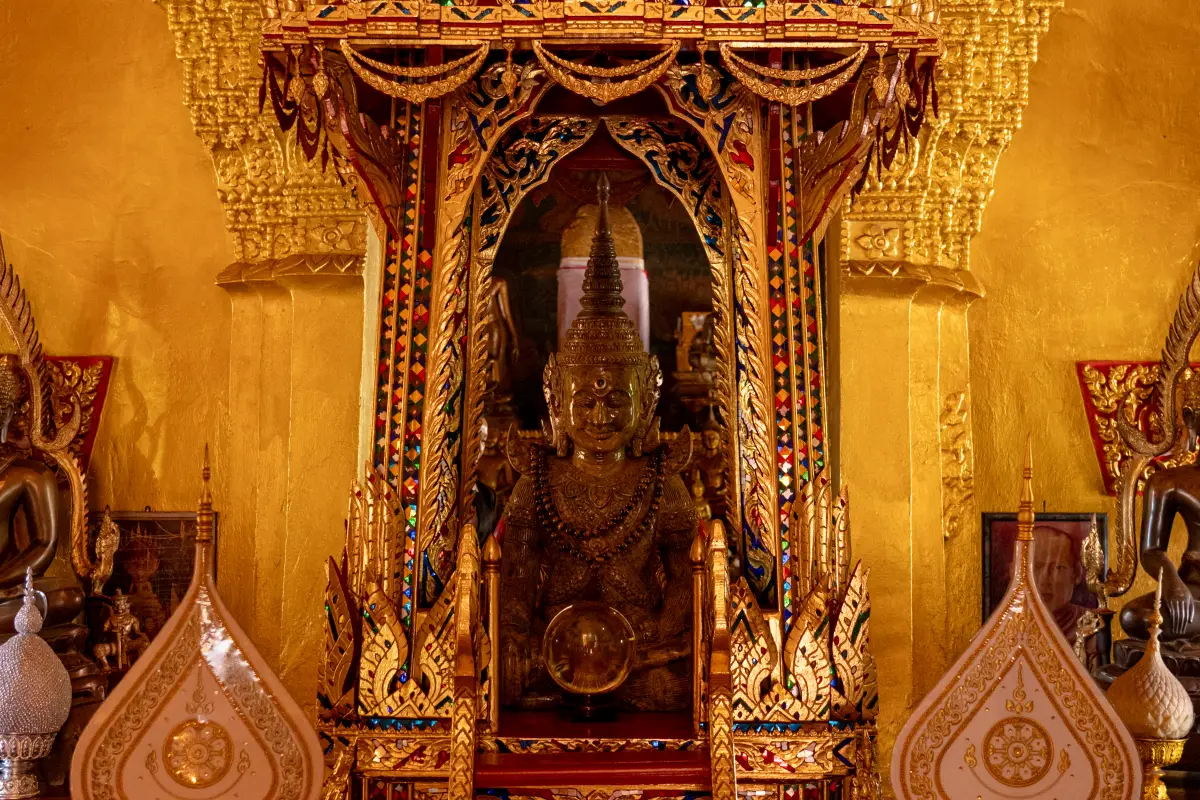
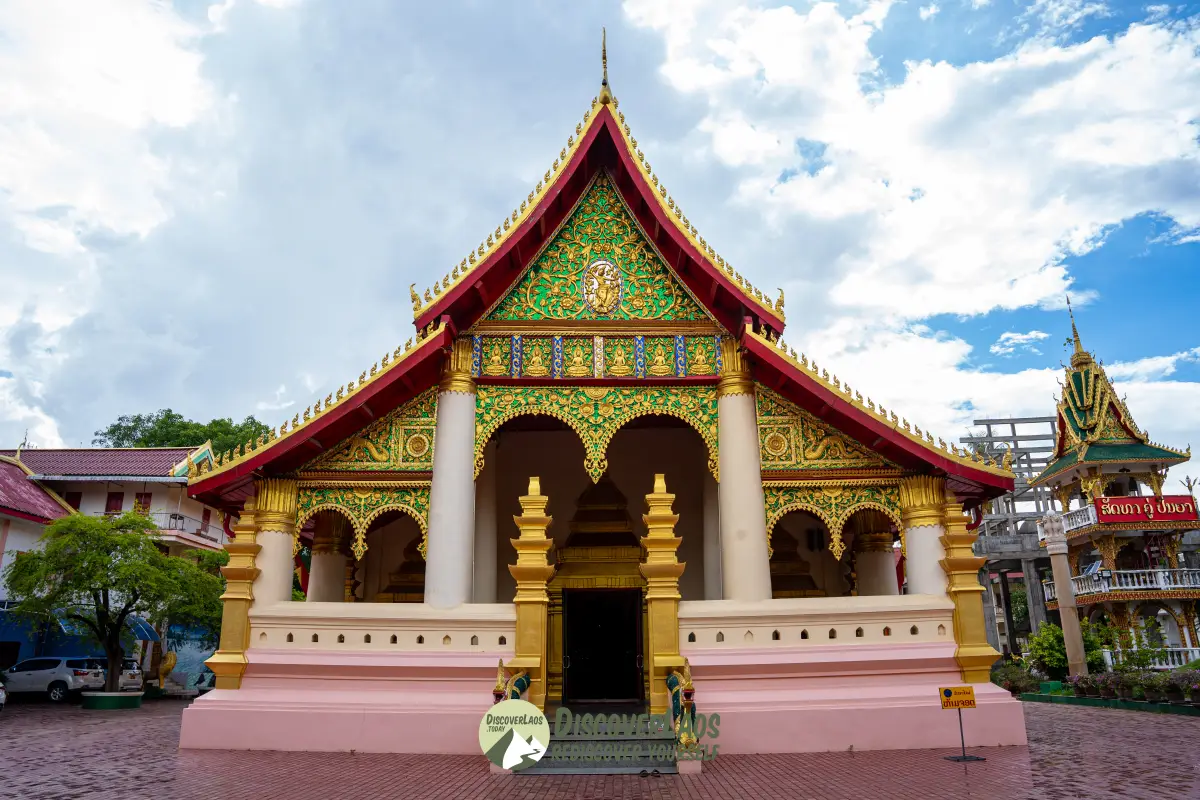
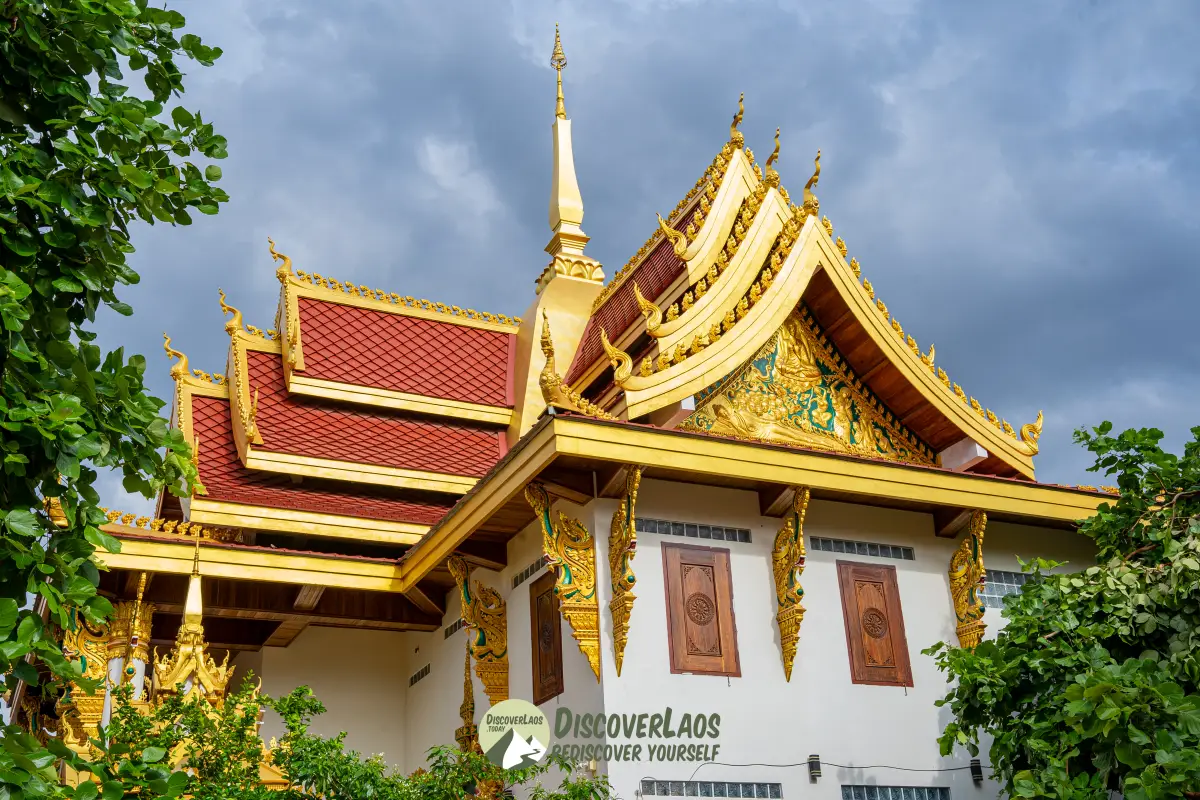
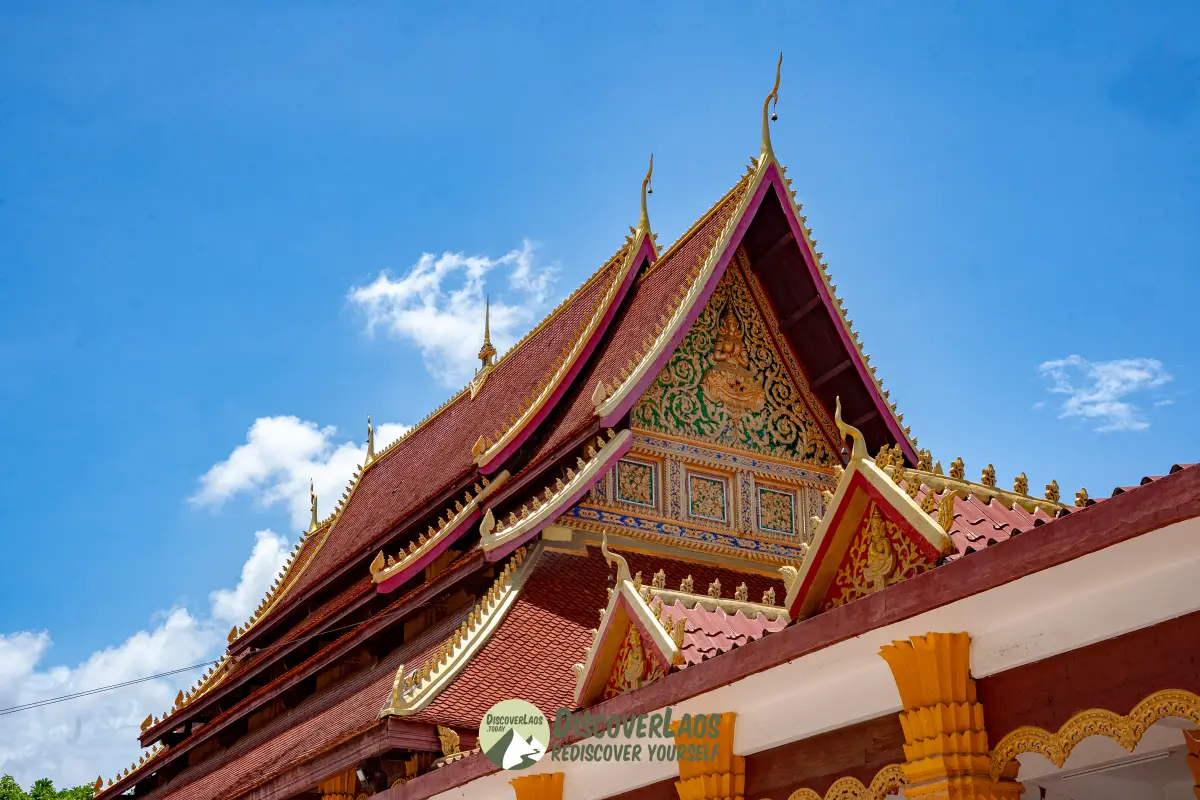
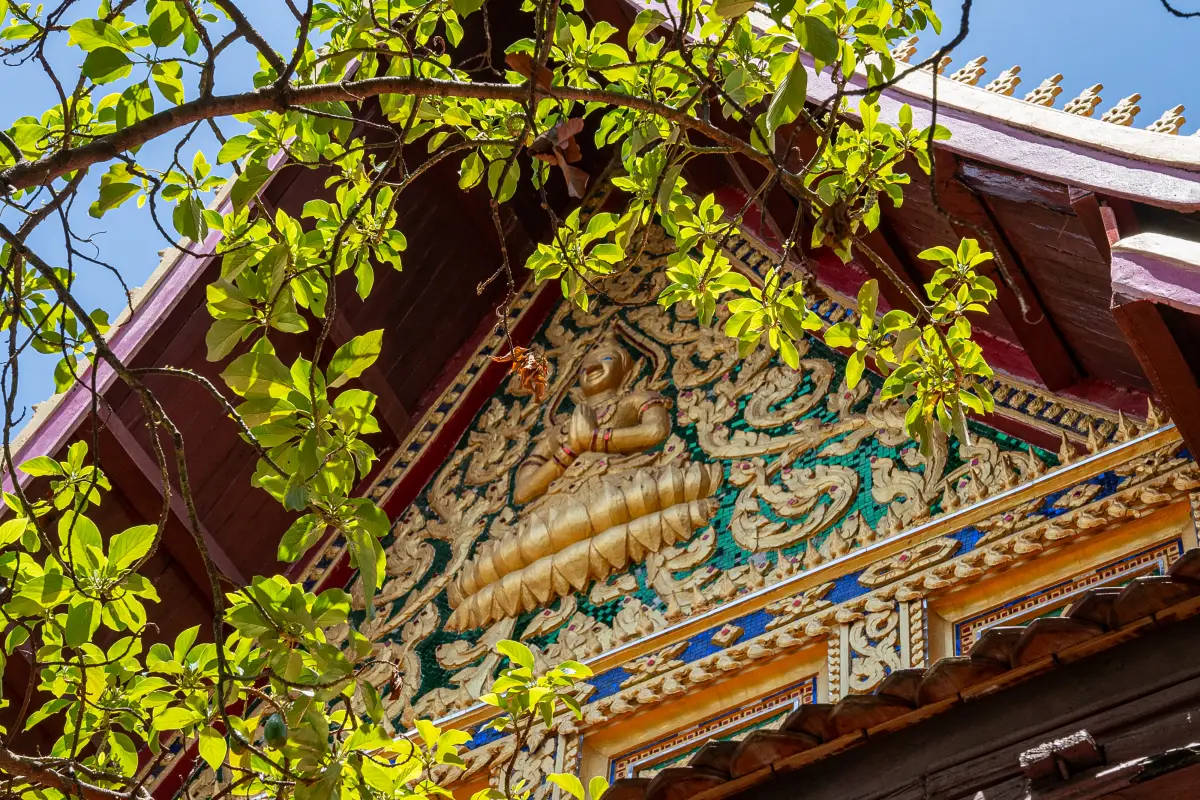
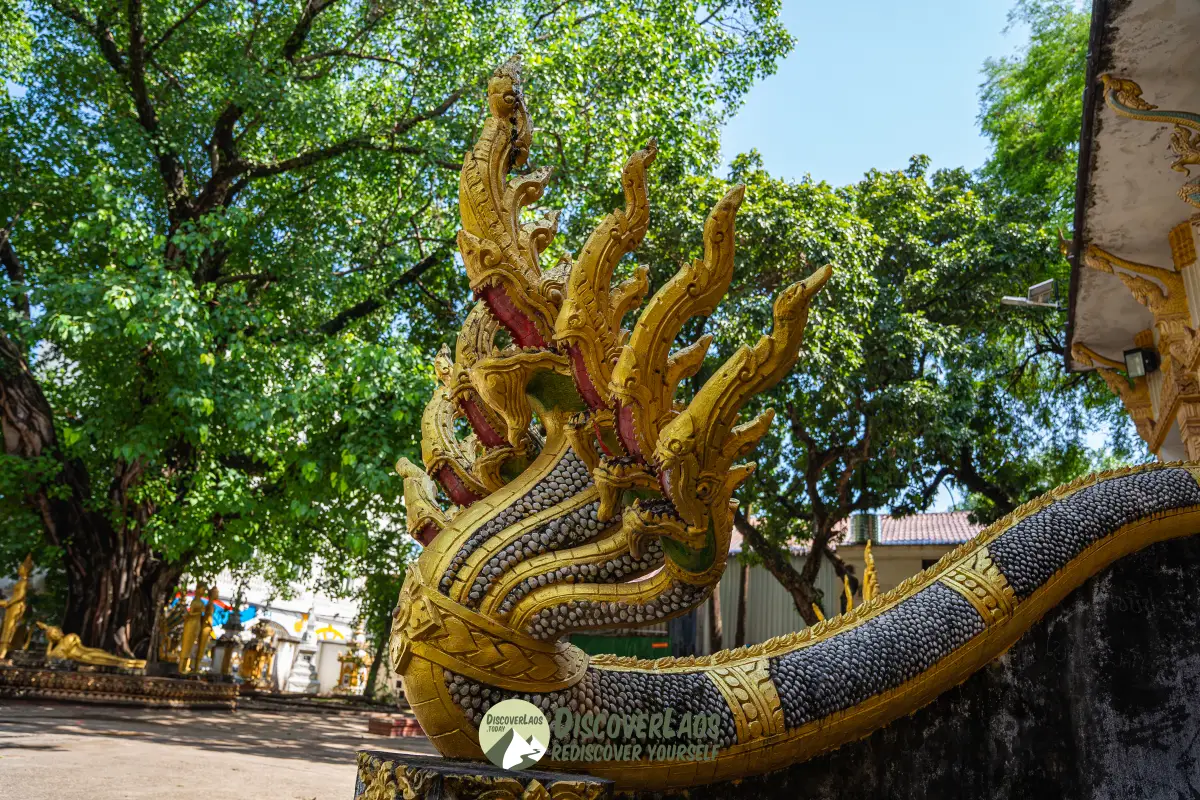
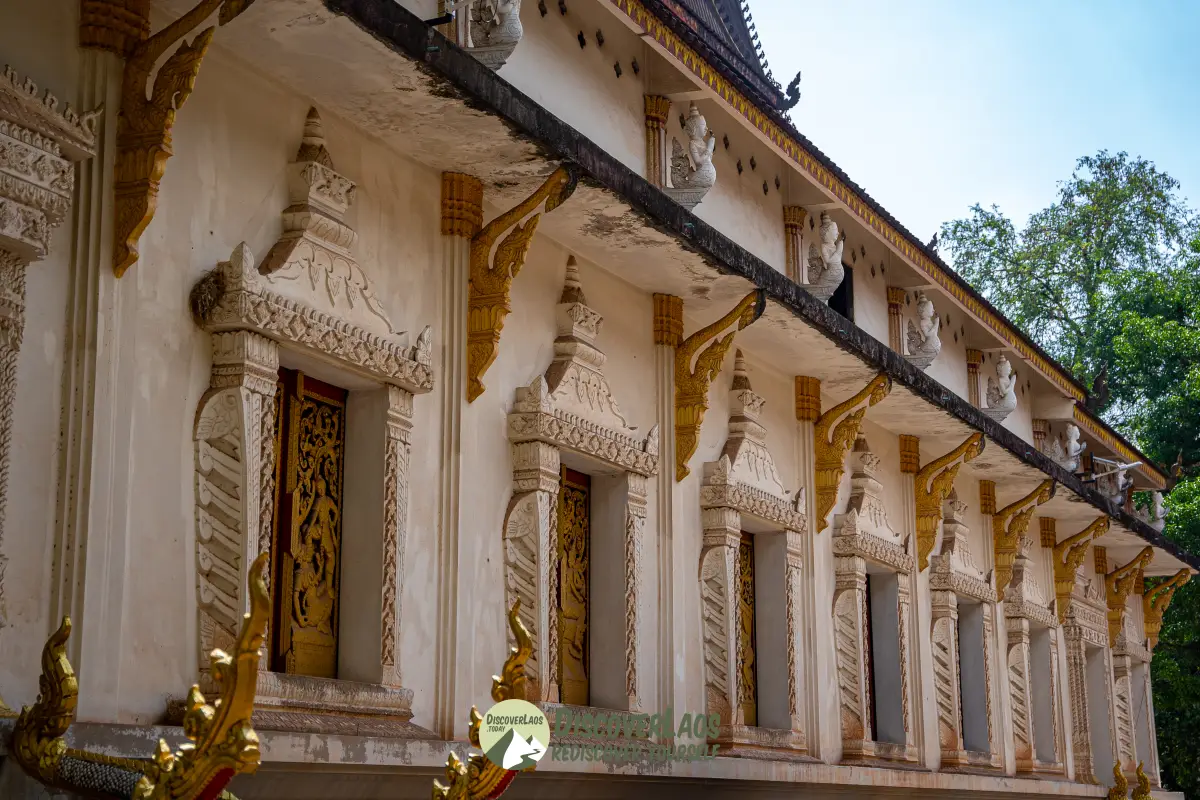
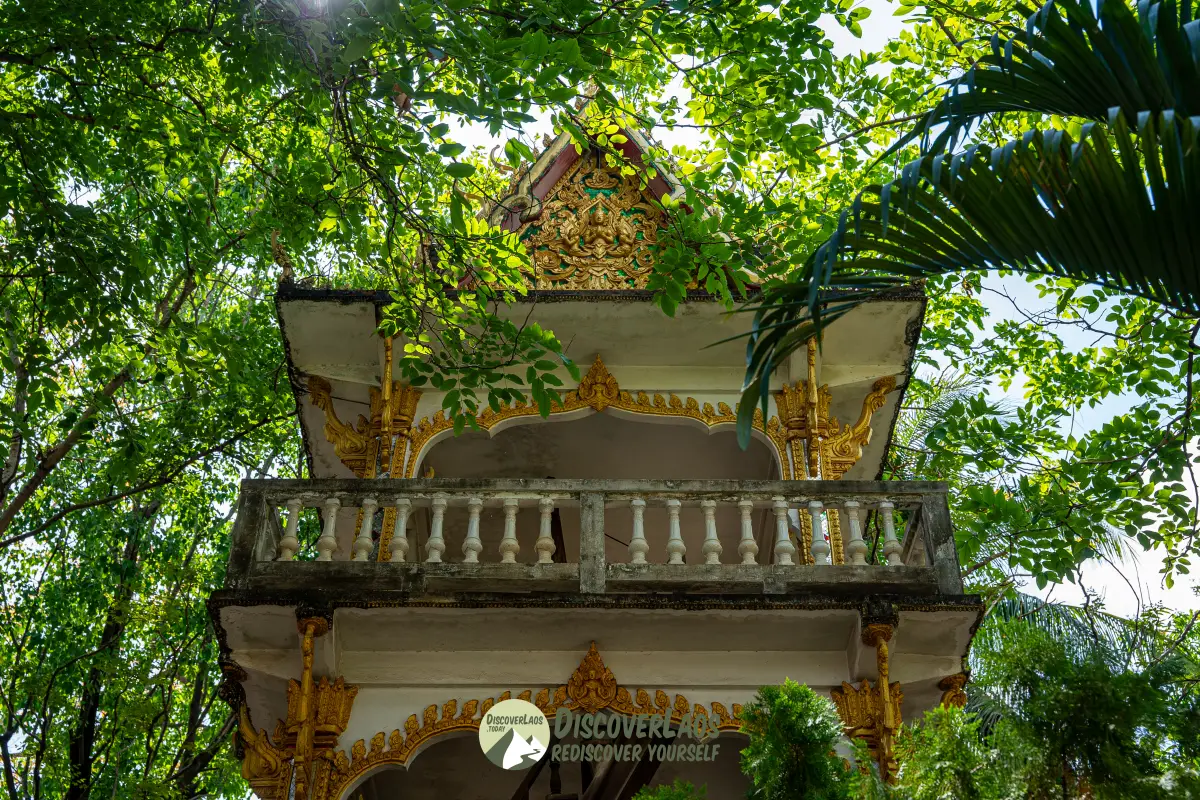
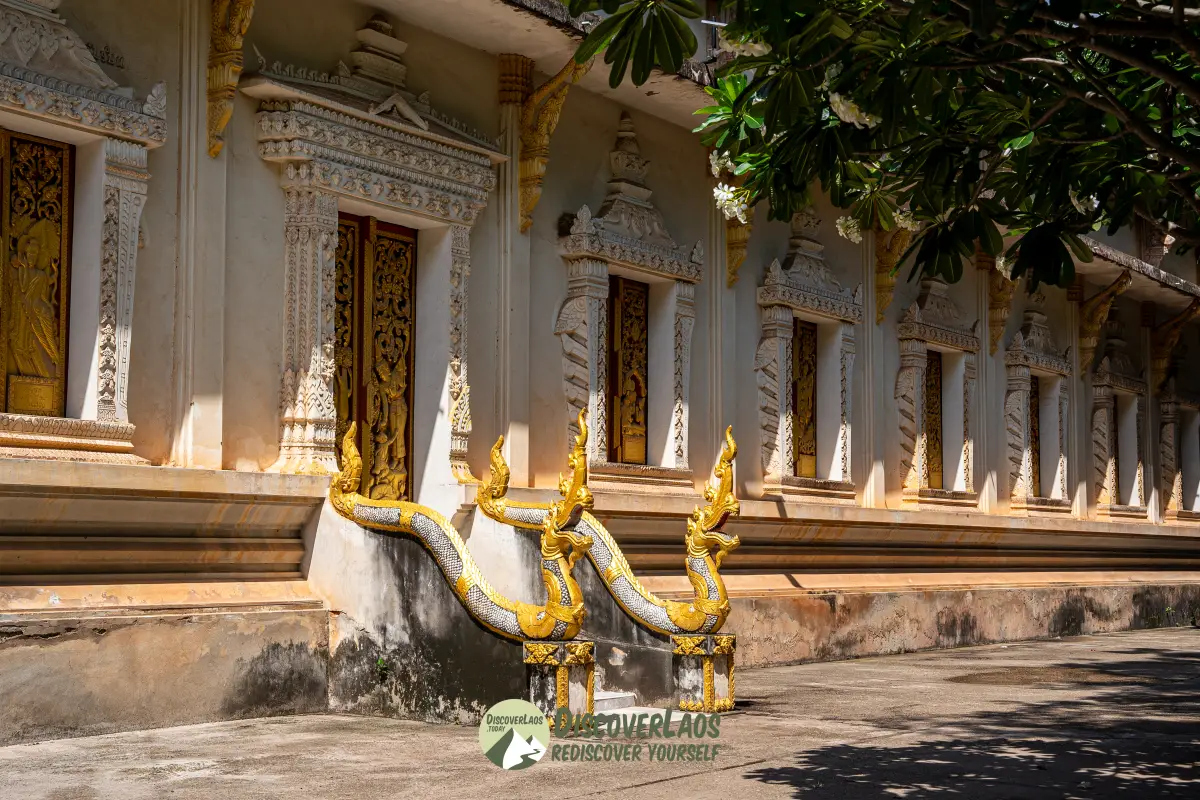
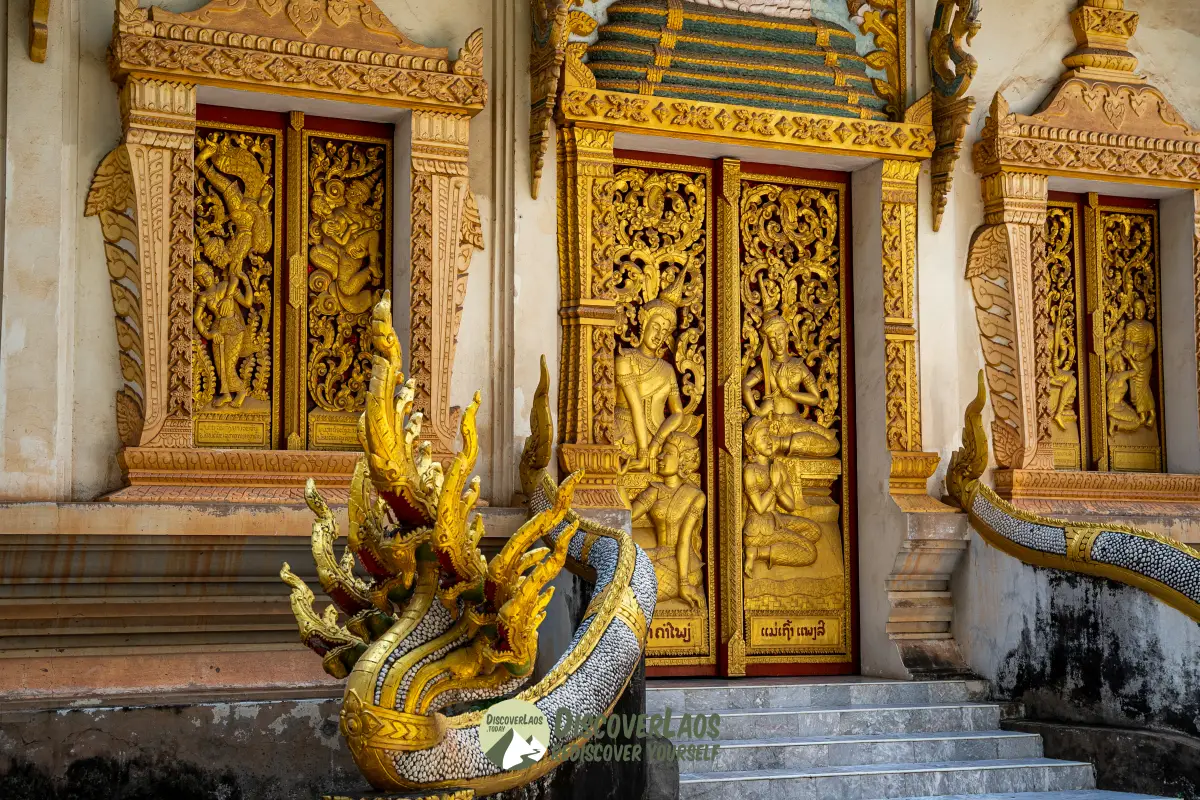
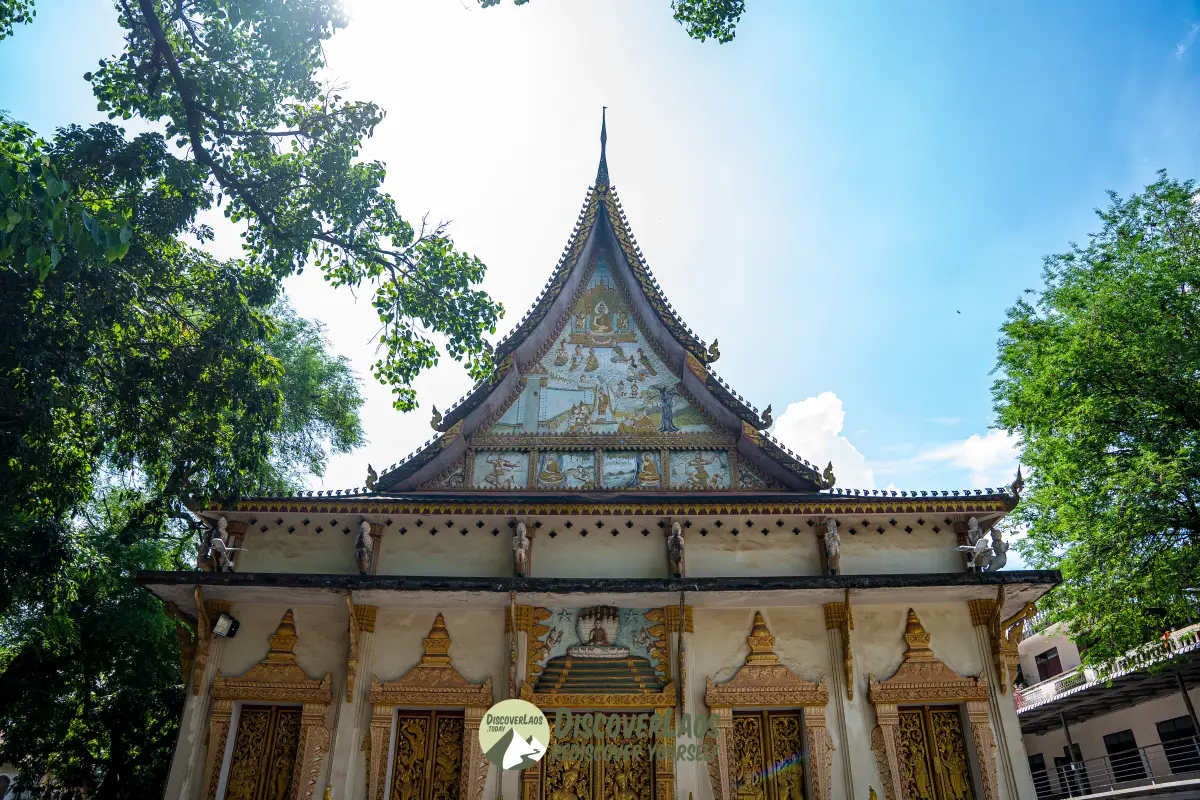
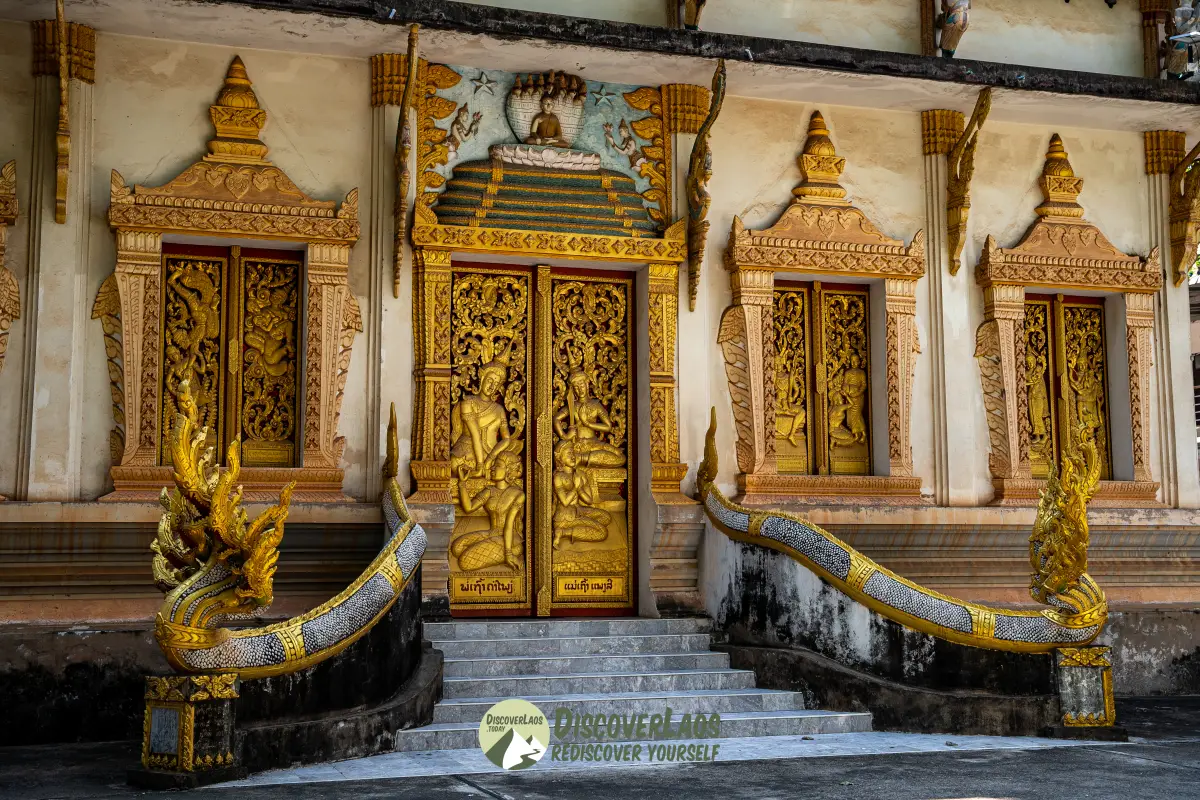
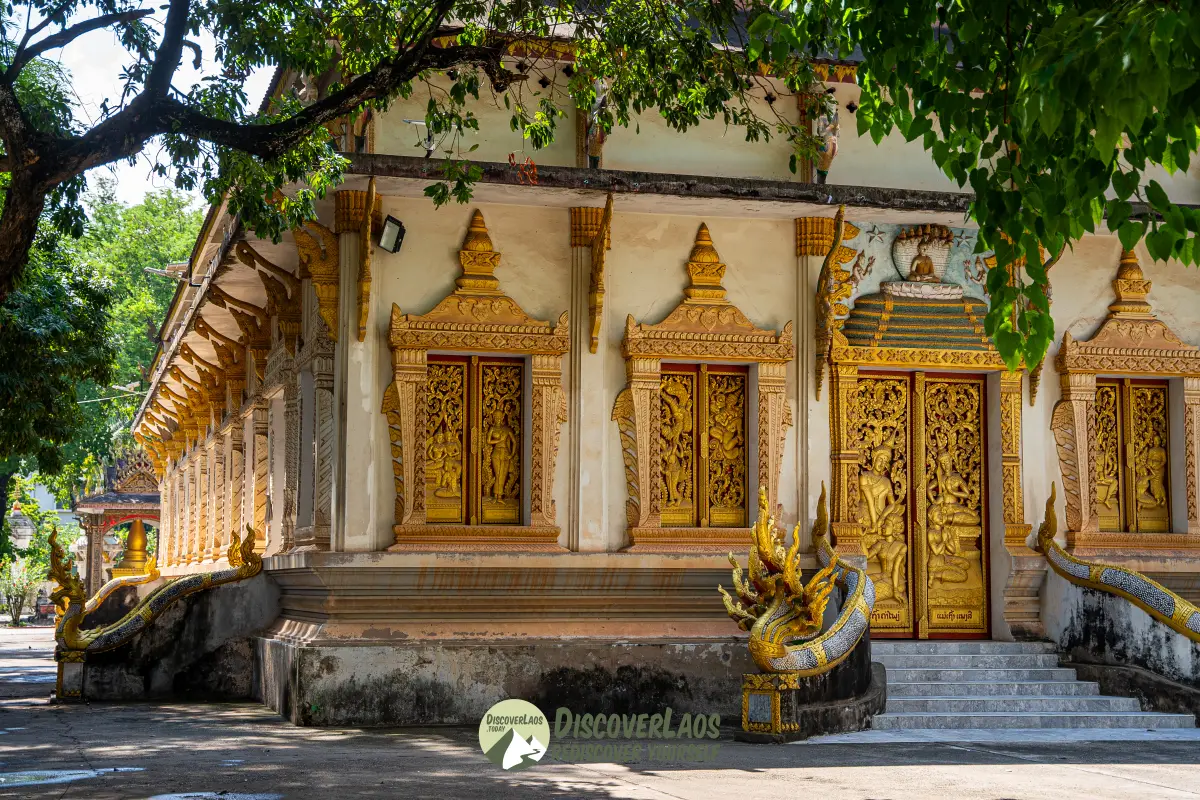
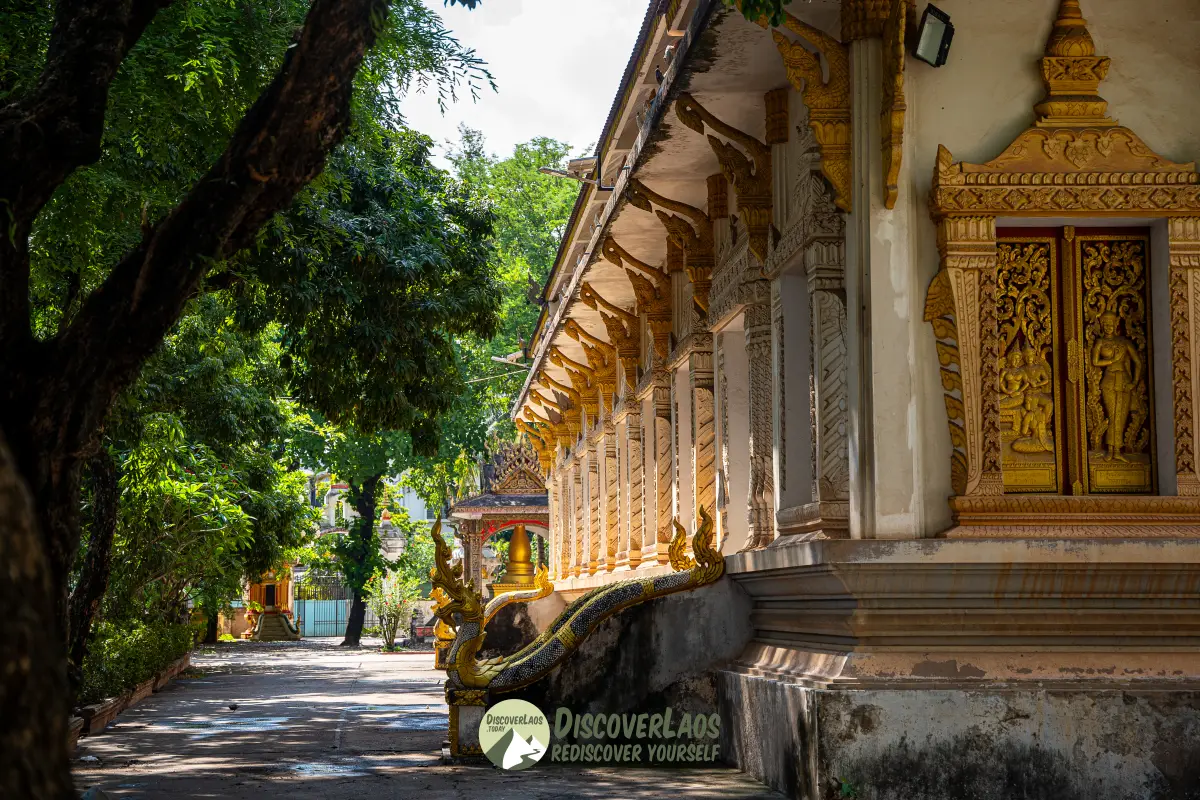
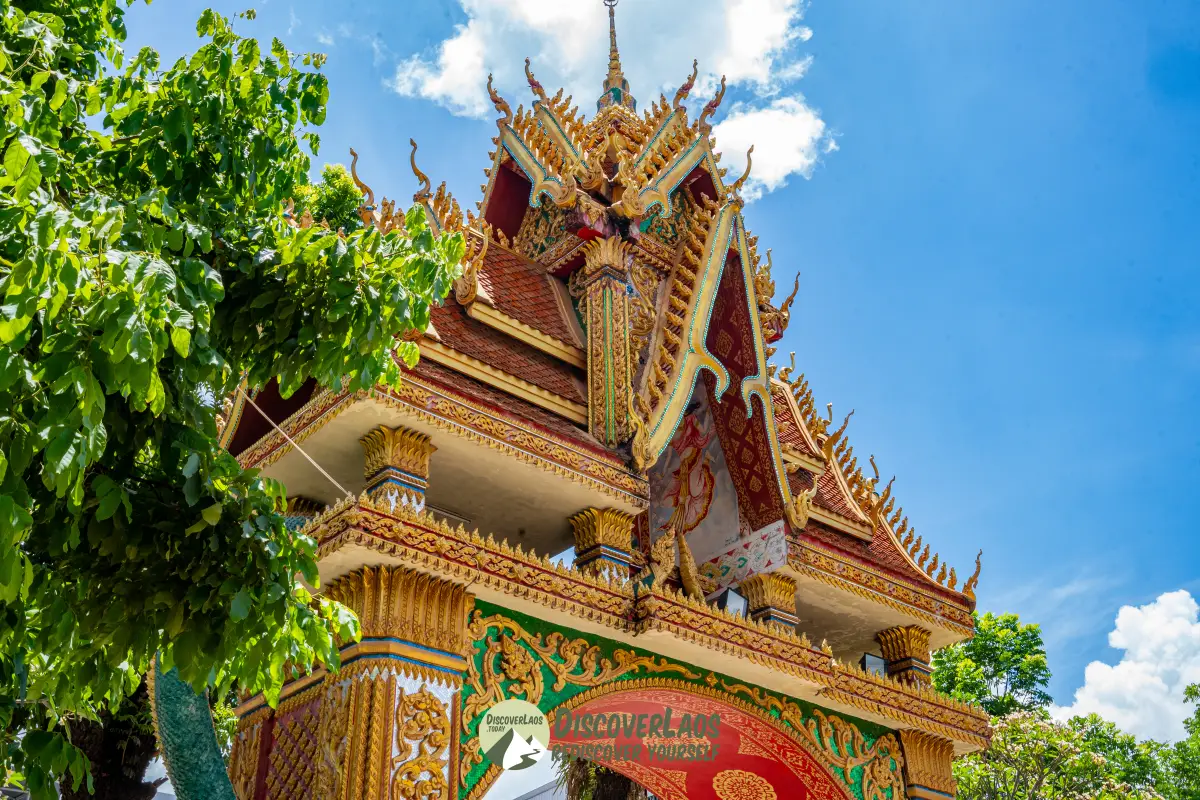
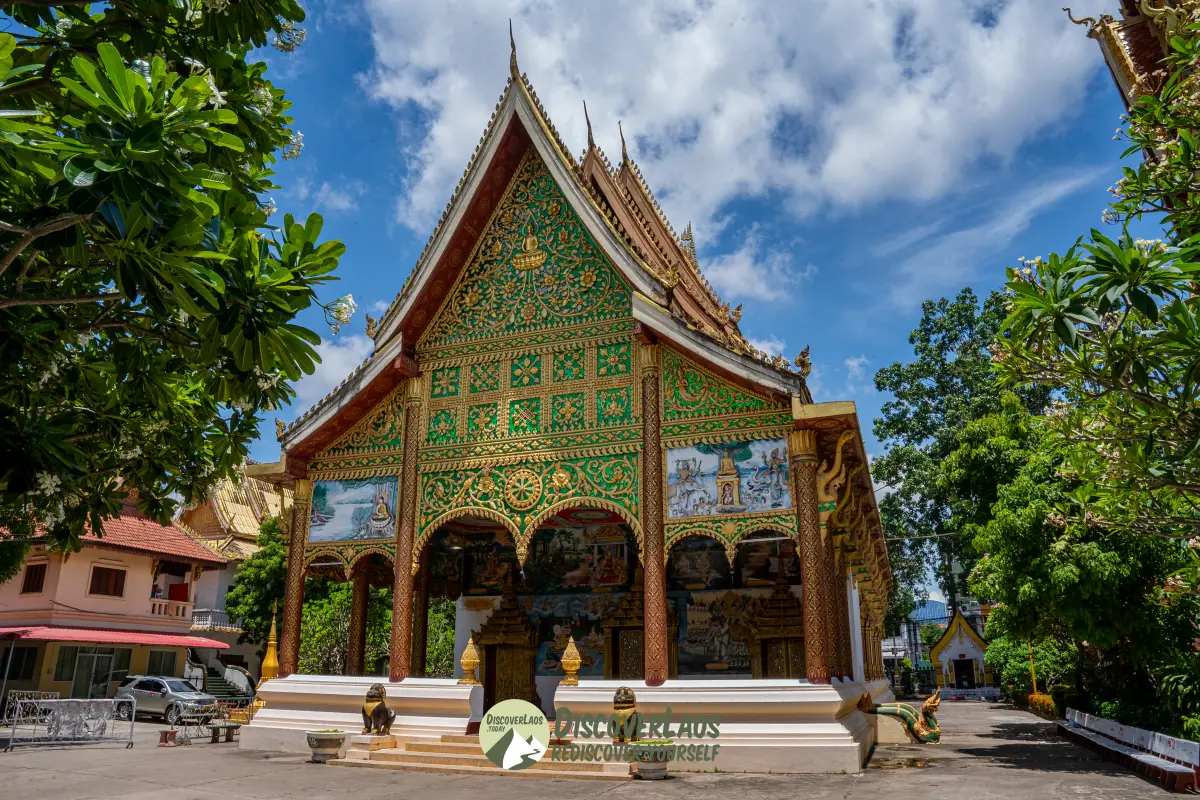
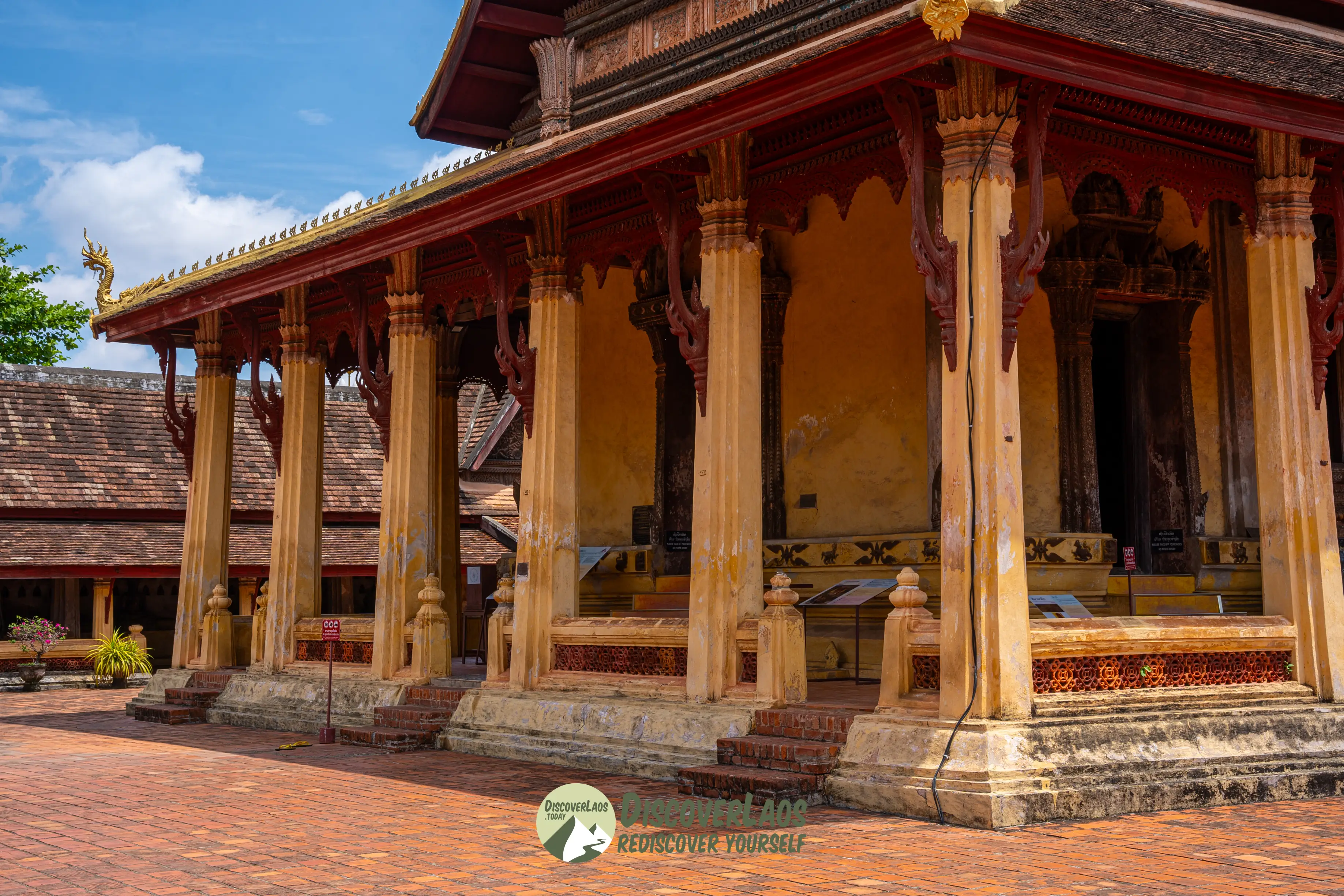
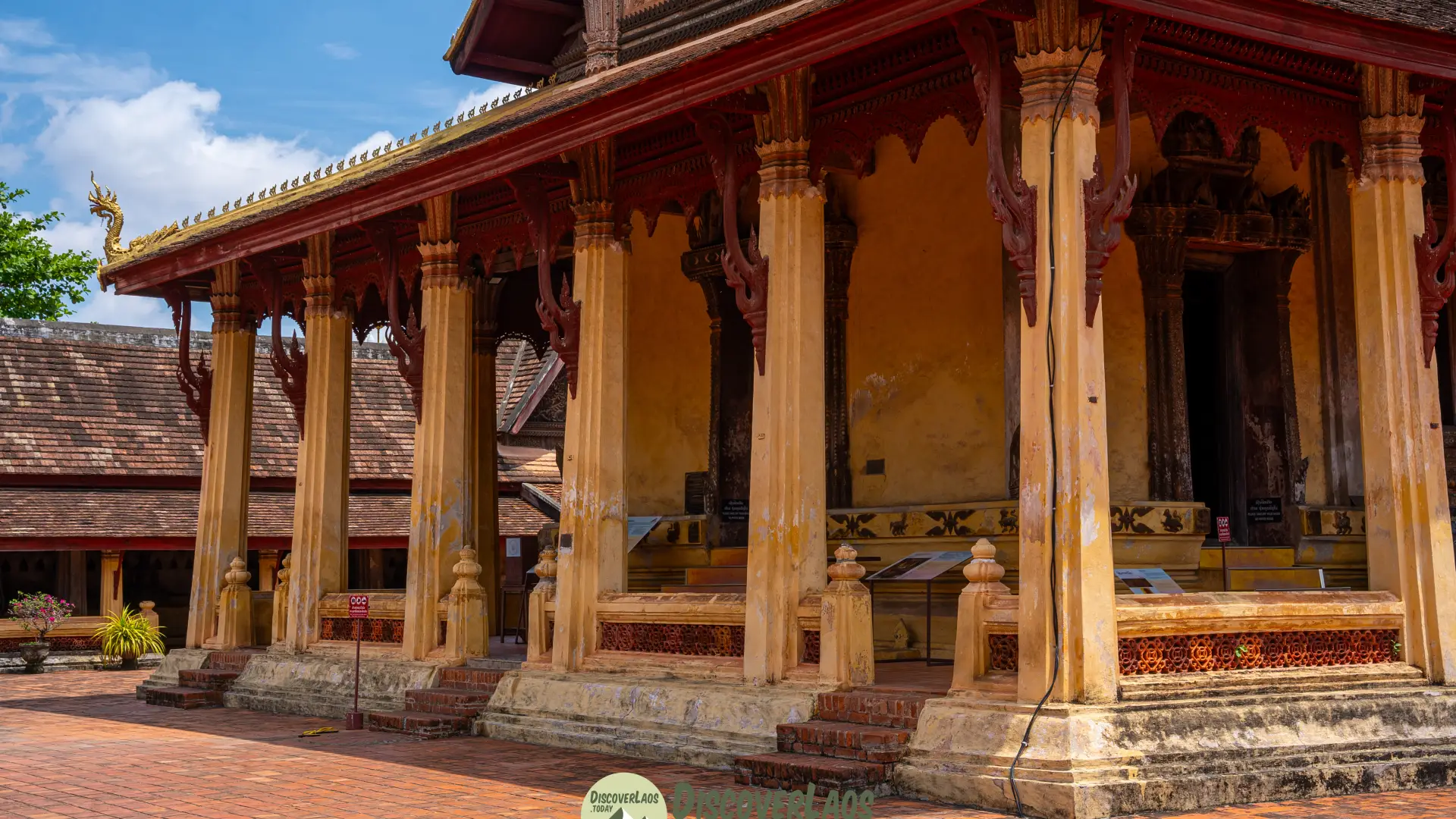
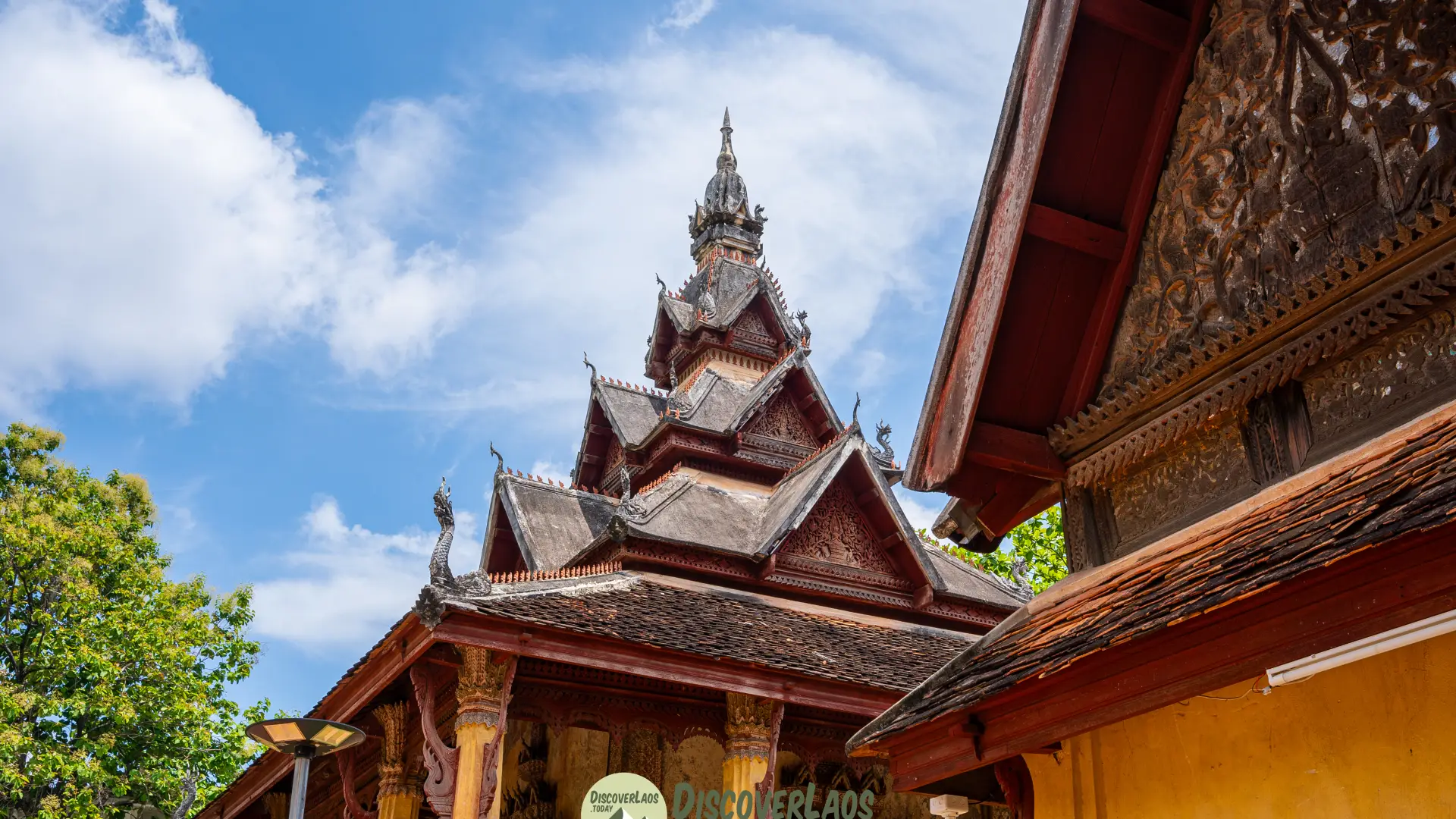
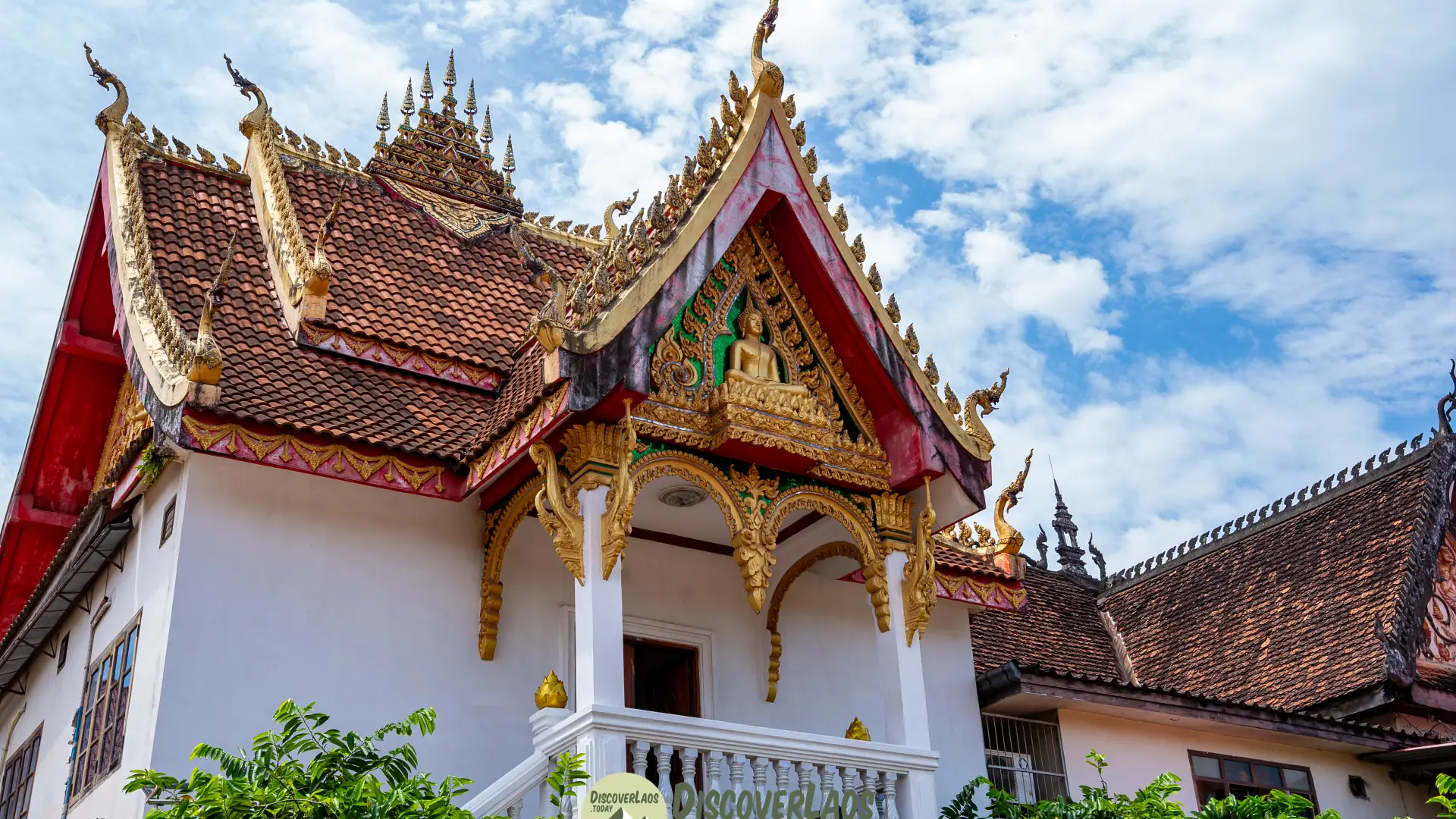
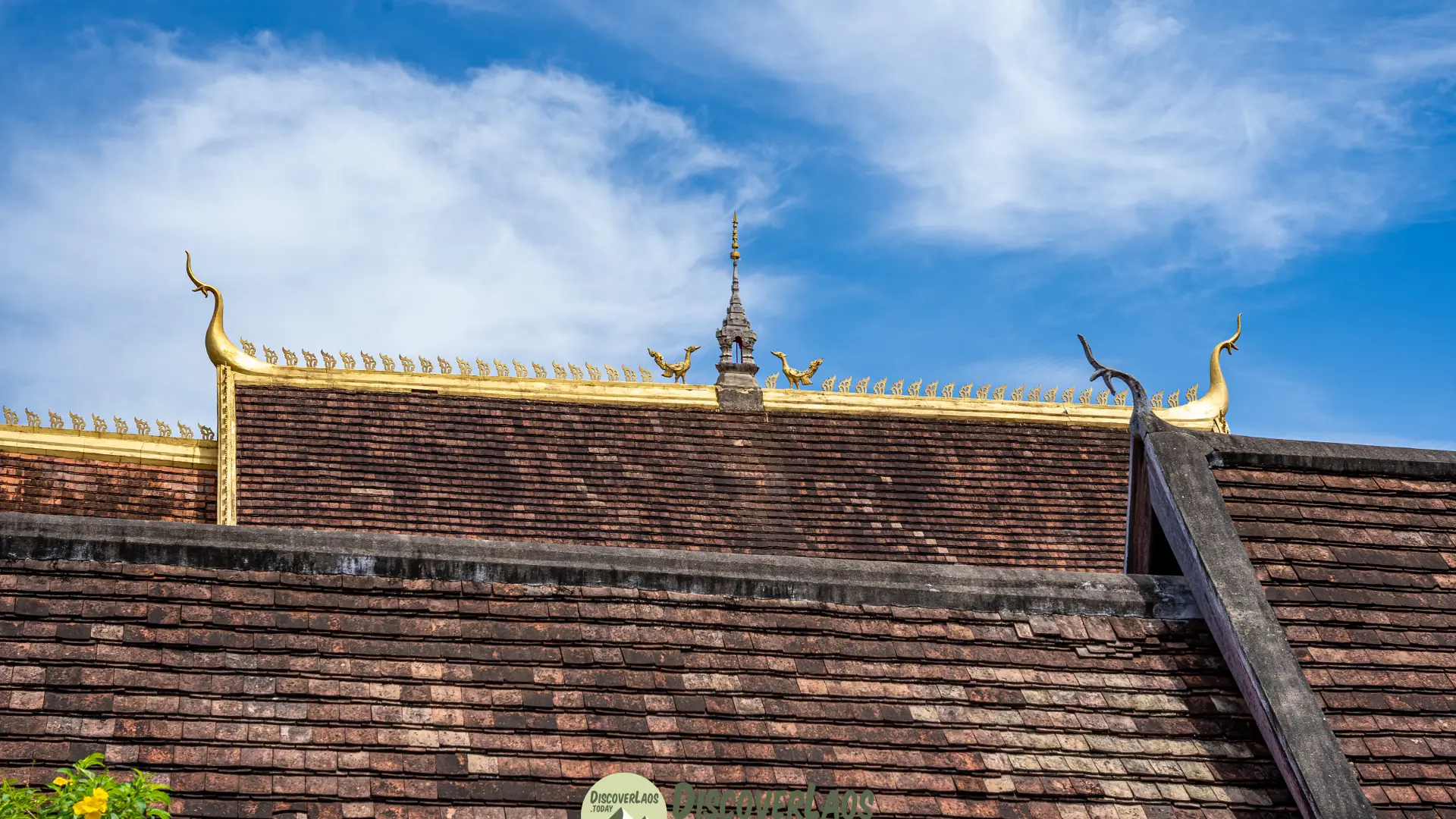
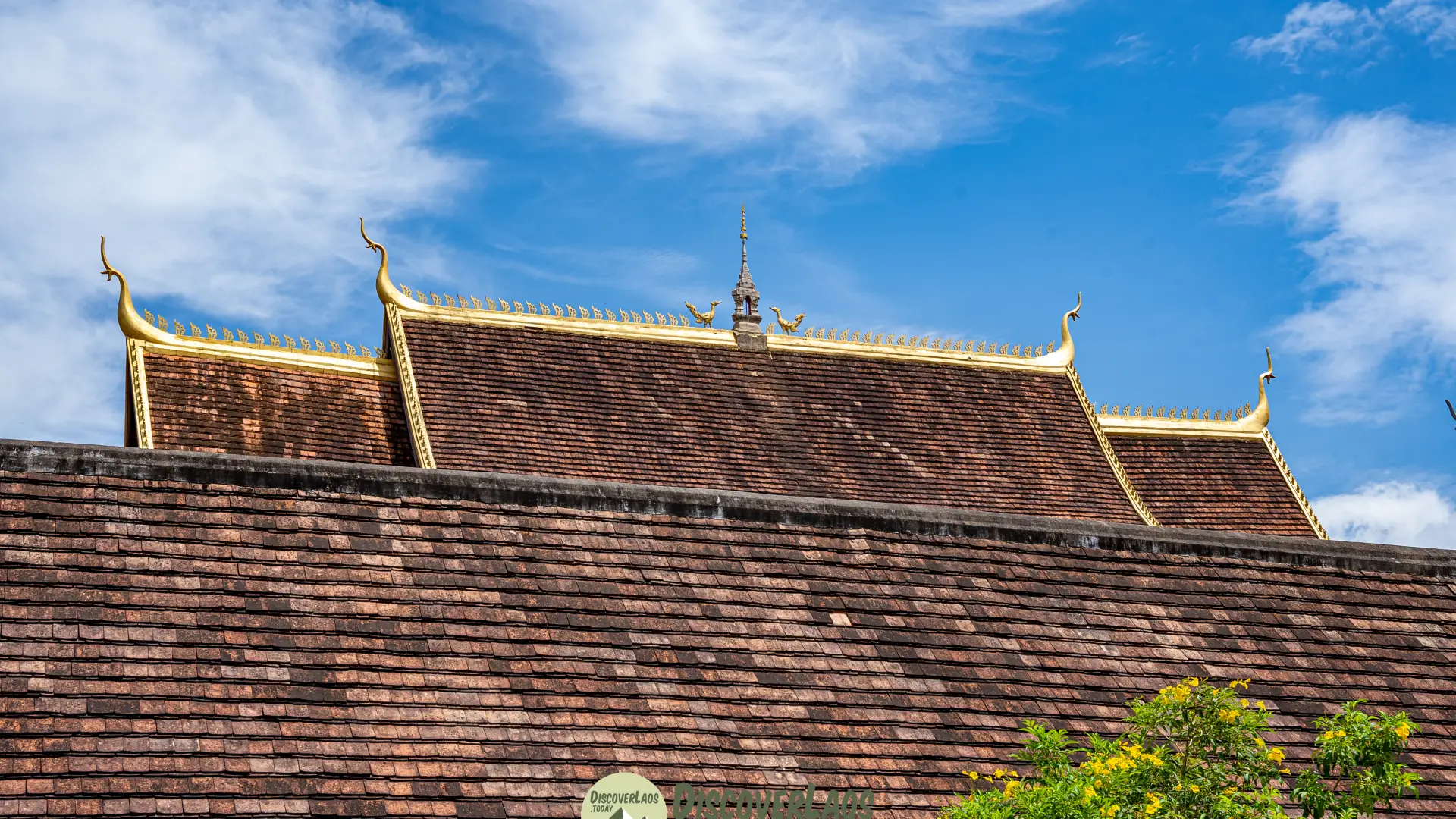
The main ordination hall (sim) features elegant multi-tiered roofs, detailed wooden carvings, and beautifully preserved murals depicting scenes from Buddhist teachings and Lao religious traditions. Visitors can admire the intricate craftsmanship, antique Buddha statues, and peaceful atmosphere that have made the temple a center of worship and cultural heritage for over 200 years.
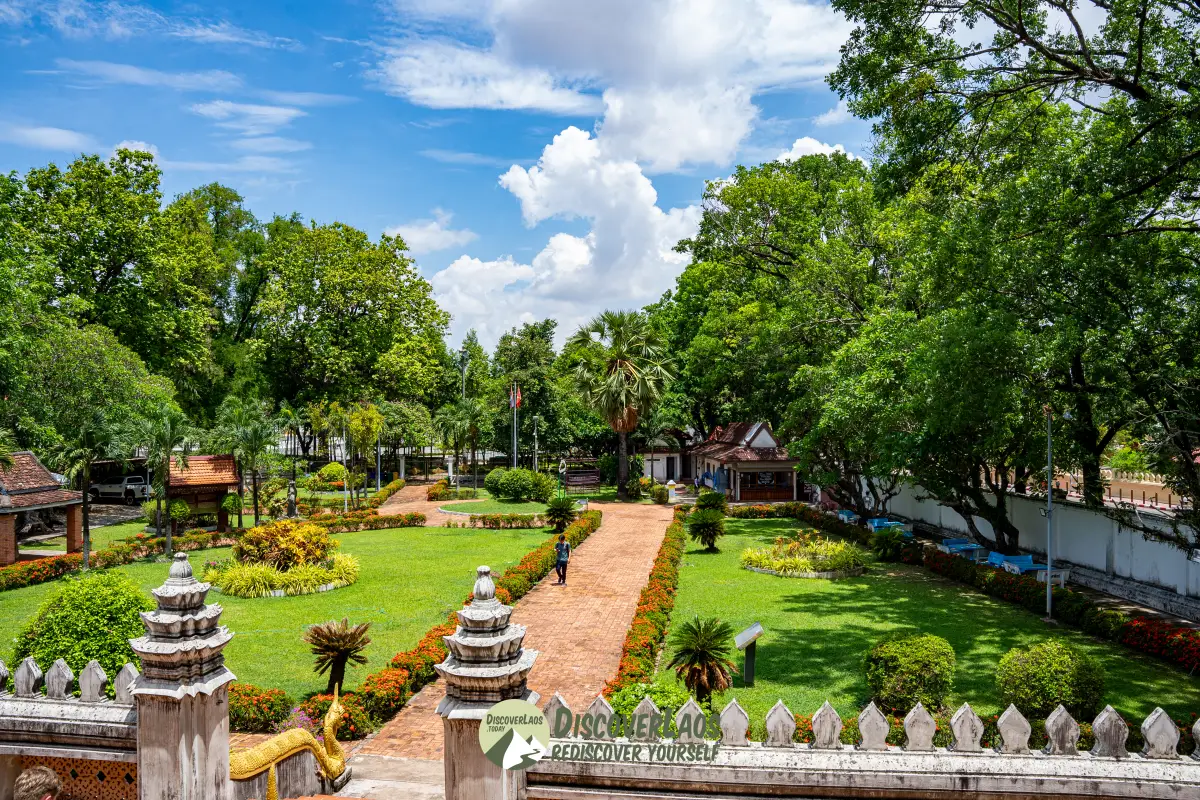
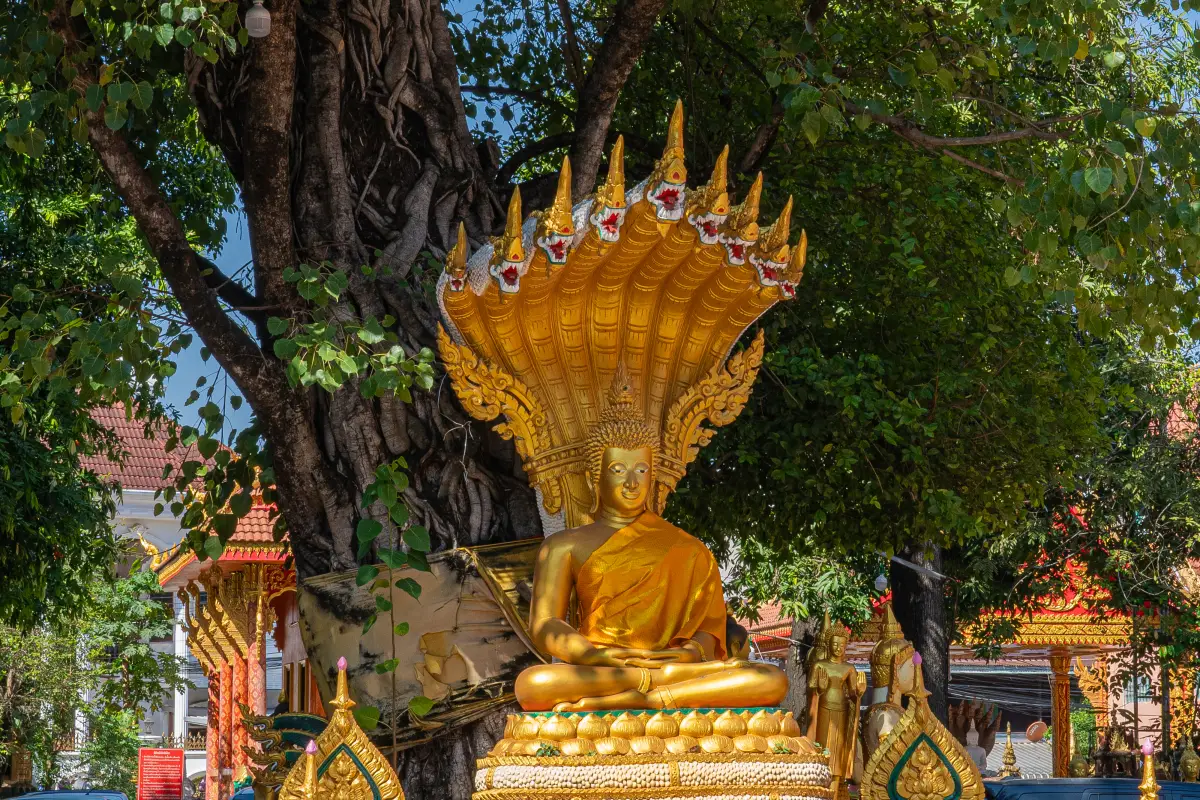
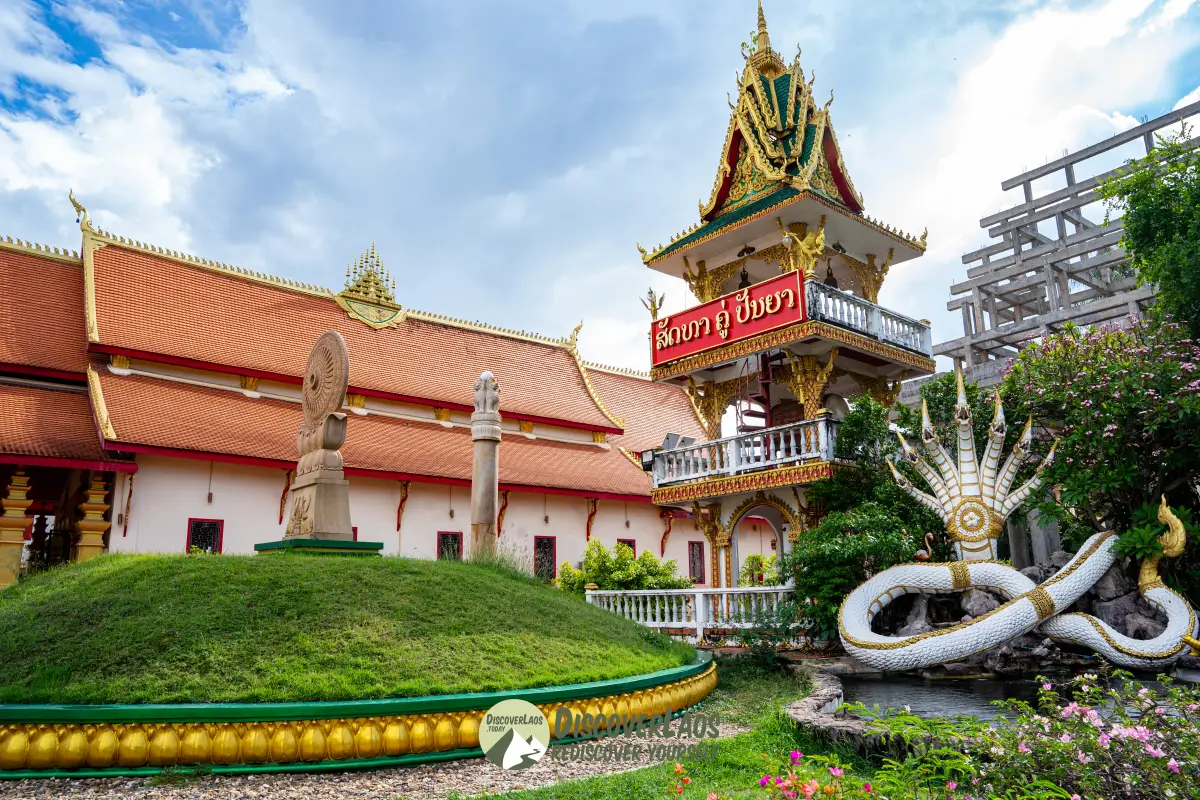
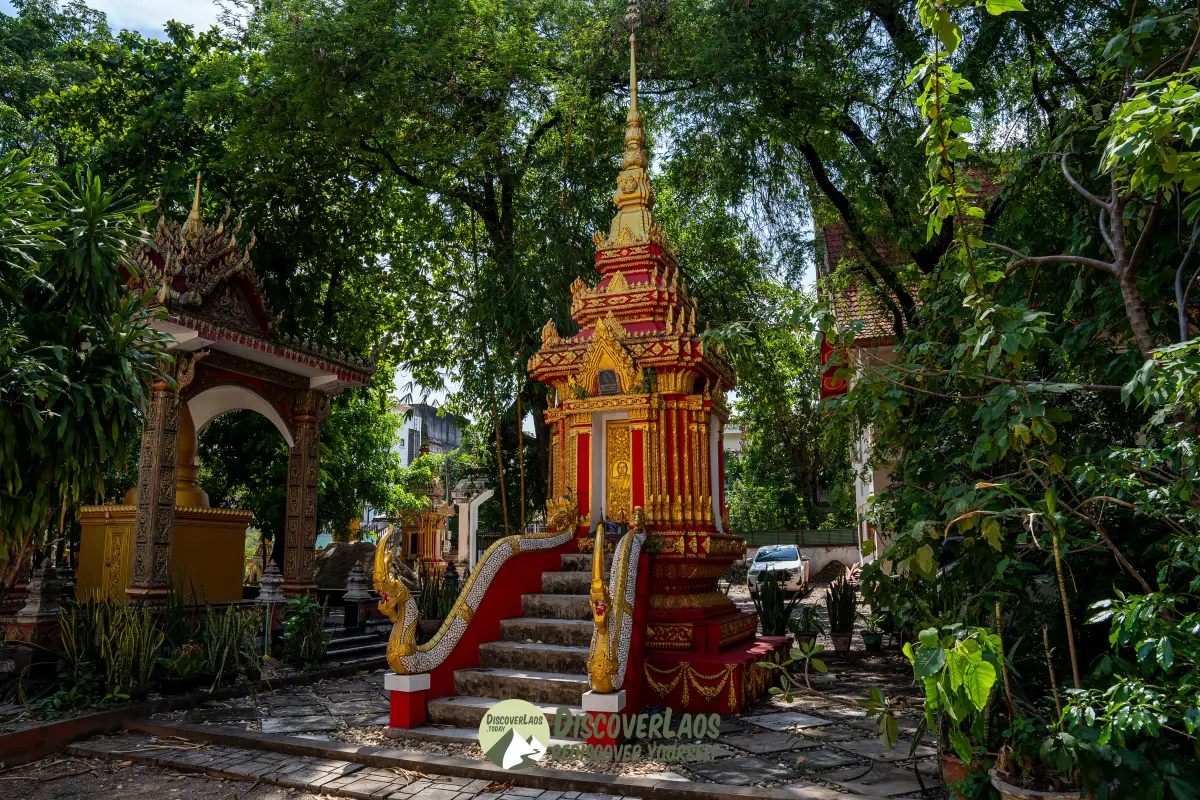
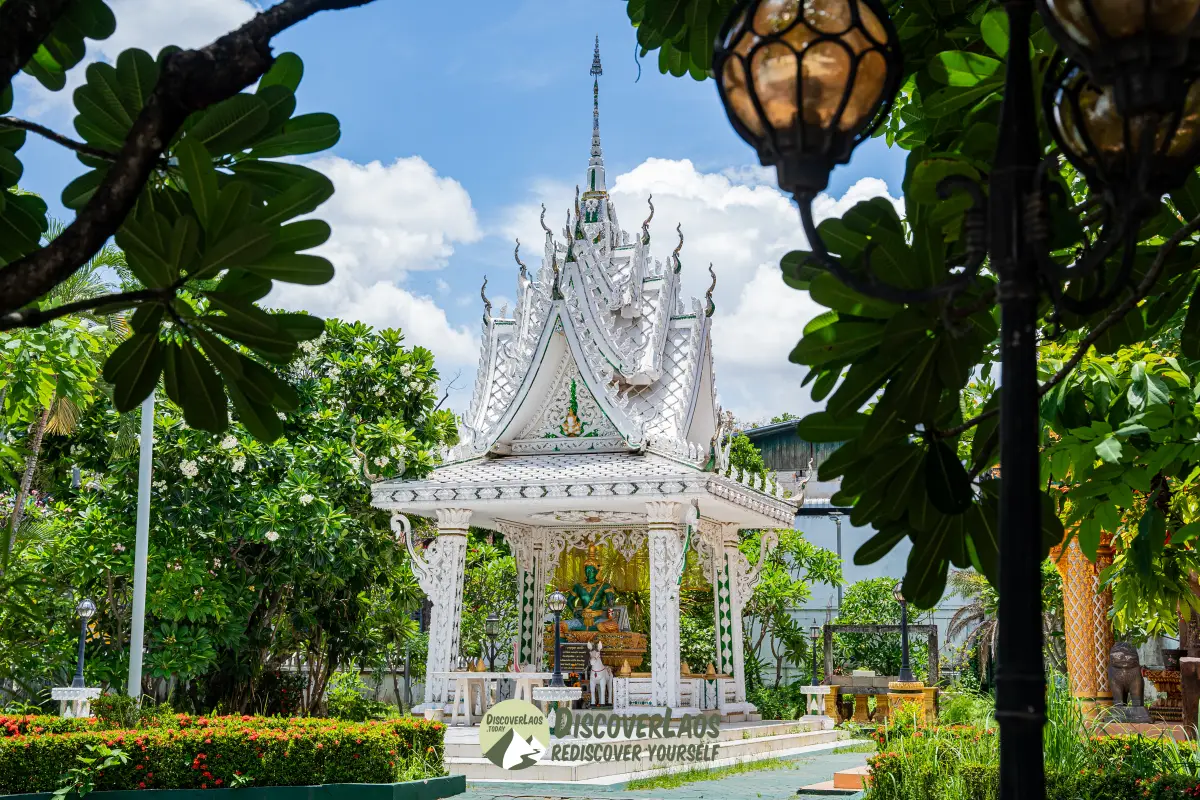
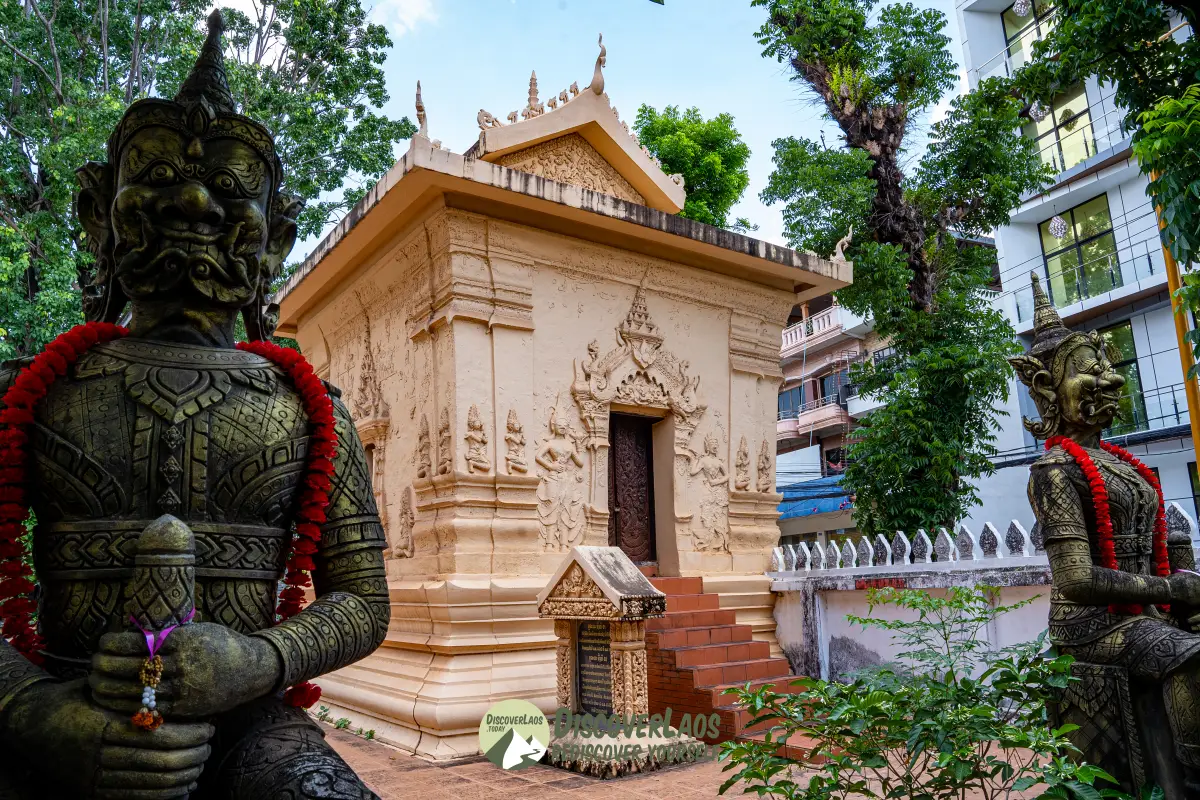
Today, Wat Sisaket remains an active monastery where monks continue their daily religious practices. It is one of Vientiane’s most visited attractions, offering visitors an opportunity to explore Laos' spiritual traditions, architectural heritage, and fascinating history. The temple's tranquil gardens, ancient structures, and remarkable collection of Buddha images make it an essential stop for anyone interested in Lao culture, history, and Buddhism.
Highlights
- Built in 1818 by King Anouvong.
- Oldest surviving temple in Vientiane.
- Only major temple to survive the destruction of 1828.
- Houses around 6,840 Buddha images.
- Features traditional Lao-Siamese architectural influences.
- Active Buddhist monastery and important religious site.
- Located in central Vientiane near major historical attractions.
Open daily from 08:00 to 12:00 and 13:00 to 17:00 (except on public holidays)
Visitor Tip: Visit early in the morning or late afternoon to enjoy cooler temperatures, softer lighting for photography, and a quieter atmosphere for exploring this remarkable piece of Lao history.